The cutting blade is the single most important wear component in any chaff cutter machine. Whether you run a small livestock farm or a commercial fodder processing operation, the condition of your chaff cutter blades directly determines cut quality, motor load, throughput and ultimately the health of the animals eating the chopped material. A sharp, correctly matched blade produces clean, uniform cuts with minimal dust; a dull or wrong-type blade tears fibre, strains the motor and shortens the life of the entire machine.
In this guide, we break down the common blade designs used in vertical and horizontal chaff cutters, explain how each design affects cut quality, list the warning signs of blade wear, and show you how to source the correct replacement blades for FCN.FM chaff cutter models.
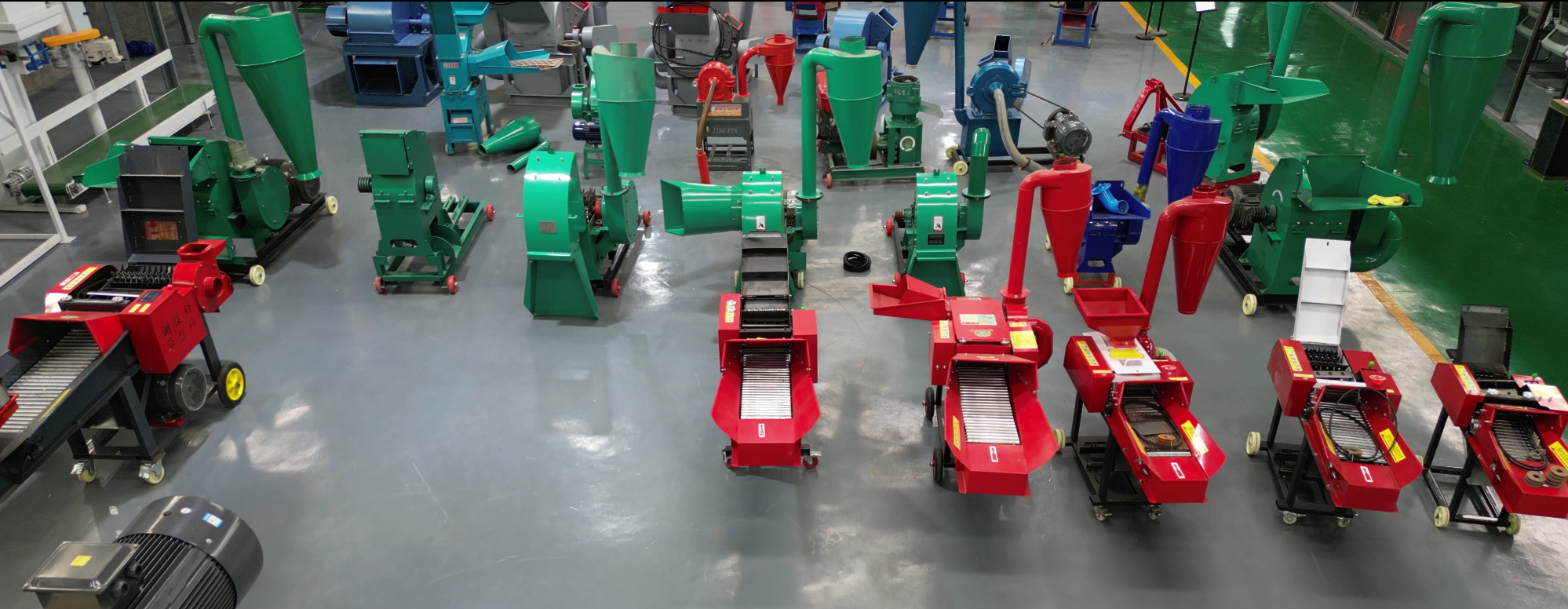
FCN.FM chaff cutter machine — blade condition is critical to consistent cut quality.
Common Chaff Cutter Blade Designs
Chaff cutter blades are not one-size-fits-all. The blade geometry, mounting arrangement and material grade vary depending on whether the machine is a vertical (drum-style) or horizontal (conveyor-fed) design, and on the type of material being processed.
Straight Flat Blades
Straight flat blades are the most common design in both vertical and horizontal chaff cutters. They are rectangular or slightly tapered steel plates, typically 3–6 mm thick, bolted directly to the rotor or flywheel. Their advantages include:
- Simple, low-cost manufacturing and easy sharpening
- Suitable for dry straw, hay and light green fodder
- Consistent cutting edge across the full blade width
The main trade-off is that straight blades rely entirely on edge sharpness. Once the edge dulls, cut quality drops quickly, especially with fibrous green material.
Curved and Serrated Blades
Curved blades have a slight arc along the cutting edge, which helps draw material into the cut and reduces the force needed per stroke. Serrated blades add small teeth along the edge, which grip slippery green fodder and prevent it from sliding away from the cutting plane.
These designs are preferred for:
- Wet, slippery green fodder and silage material
- Tough, fibrous crops such as sugarcane tops and maize stover
- Applications where a cleaner cut with less re-cutting is required
Serrated blades hold their gripping ability longer than straight blades, but they are harder to sharpen in the field and usually need to be replaced rather than re-ground.
Movable vs. Fixed Blade Arrangements
Many FCN.FM chaff cutter models use a combination of rotating blades on the rotor and one or more fixed (stationary) blades mounted on the housing. The fixed blade acts as a shear anvil — the rotating blade passes close to it and shears the material against it. Both the rotating and fixed blades wear and both need periodic attention. Neglecting the fixed blade is one of the most common causes of poor cut quality, even when the rotor blades look sharp.
How Blade Design Affects Cut Quality
Cut quality in a chaff cutter is measured by three things: cut length uniformity, fibre damage and dust generation. Blade design influences all three.
| Blade Type | Best For | Cut Quality | Sharpening Ease |
|---|---|---|---|
| Straight flat | Dry straw, hay | Good, uniform | Easy — can be ground or filed |
| Curved | Green fodder, mixed material | Very good, less tearing | Moderate |
| Serrated | Wet silage, fibrous crops | Excellent grip, clean cut | Difficult — usually replaced |
| Fixed (anvil) blade | All types (with rotor blade) | Critical for shear action | Easy — single edge |
A worn or mismatched blade does not just cut poorly — it also increases the load on the motor. On a 4 kW machine such as the FCN.FM vertical chaff cutter (model 2.8, capacity 600–800 kg/h) or the FCN.FM horizontal chaff cutter (model 2.8, capacity 600–800 kg/h), a dull blade set can push the motor toward its rated limit and cause overheating or tripping during heavy feeding.
Signs Your Chaff Cutter Blades Need Replacement
Blade wear is gradual, so it is easy to miss until output quality has already dropped. Watch for these warning signs:
- Visible edge damage — nicks, chips or a rolled edge you can feel with a gloved finger
- Uneven cut lengths — material coming out in a mix of long and short pieces
- Torn or frayed fibre ends — instead of clean cuts, the chopped material looks shredded
- Increased dust — tearing produces more fines and dust than clean shearing
- Higher motor current or slower feeding — the machine struggles under normal load
- Unusual vibration or noise — often caused by an unbalanced or damaged blade
If you notice two or more of these signs together, it is time to inspect and likely replace the blades rather than continue running the machine.
How Often Should You Replace Chaff Cutter Blades?
There is no single replacement interval — it depends on material type, operating hours and blade material. As a practical guide:
- Dry straw and hay: inspect every 40–60 operating hours; sharpen or replace as needed
- Green fodder and silage: inspect every 20–30 operating hours; wet material accelerates edge wear
- Tough fibrous crops (maize stover, sugarcane tops): inspect every 15–25 operating hours
Many operators sharpen straight blades two or three times before replacing them. Serrated and heavily curved blades are usually replaced outright once the edge profile is lost. Always keep a spare set on hand so a worn blade does not stop production during peak feeding periods.
Sourcing the Correct Blades for FCN.FM Vertical and Horizontal Models
Using the correct blade for your specific machine model is essential. Blade dimensions, mounting hole positions, thickness and edge geometry must match the rotor and housing design. An incorrect blade can cause poor cutting, excessive vibration or even damage to the machine.
FCN.FM manufactures both vertical and horizontal chaff cutter models. For example:
- FCN.FM Vertical Chaff Cutter (model 2.8): 4 kW motor, capacity 600–800 kg/h, handles both wet and dry material
- FCN.FM Horizontal Chaff Cutter (model 2.8): 4 kW motor, capacity 600–800 kg/h, handles both wet and dry material
- FCN.FM Vertical Chaff Cutter (model 3.8): 5.5 kW motor, capacity 800–1500 kg/h, handles both wet and dry material
Each model uses blades matched to its rotor size and cutting chamber. When ordering replacement blades, always quote your machine model number so the correct blade specification is supplied. FCN.FM supplies genuine replacement blades for all its chaff cutter models and can advise on the right blade type for your material and duty cycle.
FCN.FM chaff cutter in operation — sharp blades produce clean, uniform chopped fodder.
Tips for Extending Blade Life
- Avoid feeding material with soil, stones or metal contamination
- Do not force-feed beyond the machine's rated capacity
- Sharpen straight blades before they become visibly blunt, not after
- Check and tighten blade mounting bolts regularly — loose blades wear faster and are dangerous
- Store spare blades in a dry place to prevent rust on the cutting edge
Conclusion
Chaff cutter blades are a small component with an outsized impact on machine performance, cut quality and motor life. Understanding the difference between straight, curved and serrated blade designs, recognising the early signs of wear, and replacing blades at the right interval will keep your FCN.FM chaff cutter running efficiently season after season.
If you are unsure which blade type suits your material or need replacement blades for a specific FCN.FM vertical or horizontal model, contact the FCN.FM team with your machine model number — we will confirm the correct specification and arrange supply.
References
- FCN.FM Chaff Cutter Machine product pages: https://www.chaffcuttermachine.com/
- FAO — Animal Feed Resources Information System (fodder processing guidance): https://www.feedipedia.org/
- ISO 4254-1 — Agricultural machinery safety requirements (general machinery safety context): https://www.iso.org/standard/67267.html