Chaff Cutter Maintenance: What to Inspect and Record
A chaff cutter is one of the hardest-working machines on any livestock farm. It runs for hours at a time, processes abrasive and often damp material, and is expected to deliver a consistent cut length day after day. Yet many operators treat it as a fit-and-forget piece of equipment until output drops, vibration increases, or a blade fails mid-season. A structured chaff cutter maintenance routine prevents most of these failures, extends blade and bearing life, and keeps the machine safe to operate. This guide walks through what to inspect on every FCN.FM chaff cutter, what to record after each check, and how to obtain the correct service intervals for your specific model rather than guessing.
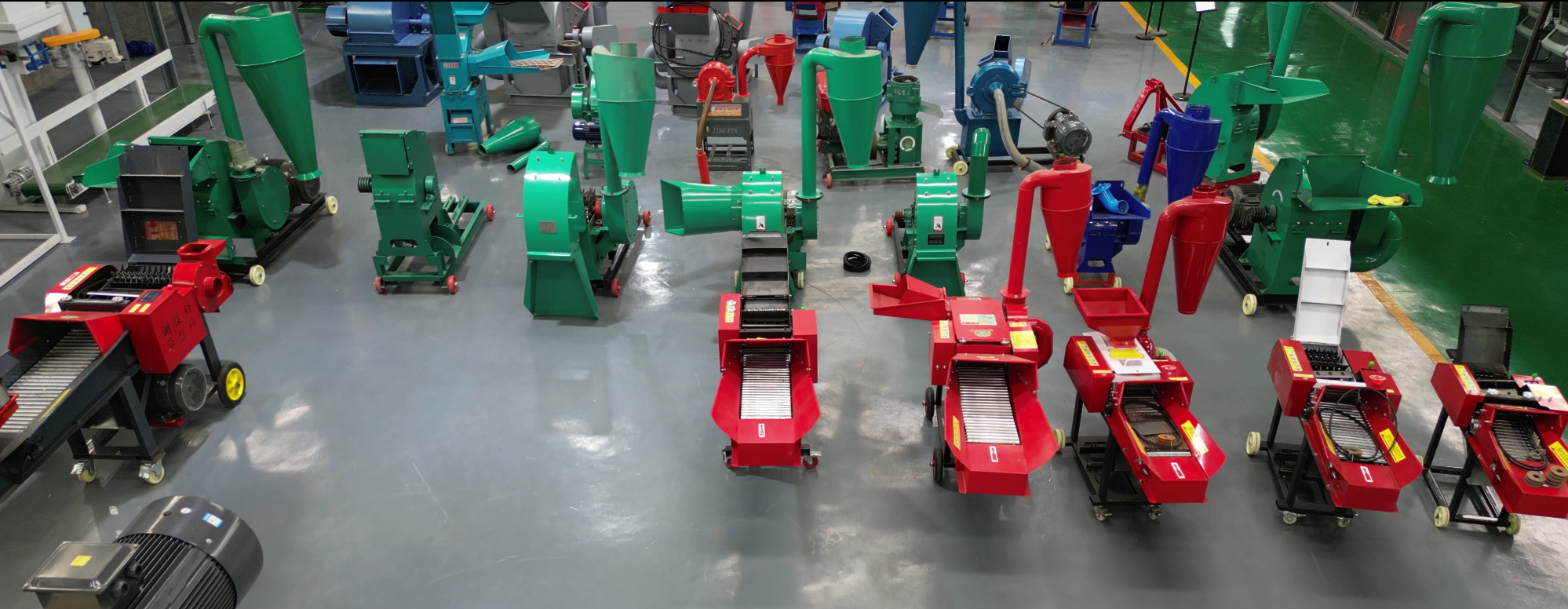
Regular inspection keeps a chaff cutter running at its rated capacity season after season.
Why a Written Maintenance Routine Matters
Chaff cutters operate in a demanding environment. Green fodder carries moisture and plant acids; dry straw and hay carry dust and silica. Both accelerate wear on cutting edges, bearings, and drive components. Without a routine, small issues — a loose fastener, a slightly dull blade, a dry bearing — compound quietly until they become expensive repairs or unplanned downtime during peak feeding season.
A written routine does three things:
- Standardises checks across shifts and operators, so nothing is skipped.
- Creates a wear history that reveals patterns (for example, a blade that dulls faster than expected may indicate an incorrect feed rate or an abrasive batch of material).
- Supports warranty and spare-parts planning, because you can show the manufacturer or distributor exactly how the machine was maintained.
Pre-Operation Checks (Every Shift)
Before the machine is started, a short visual and physical inspection should be completed. These checks take five to ten minutes and catch the majority of developing faults.
Cleaning and Material Build-Up
Residual chaff, dust, and sap accumulate around the cutting chamber, feed rollers, and discharge chute. Over time this build-up:
- Restricts material flow and reduces throughput.
- Traps moisture against steel surfaces, encouraging corrosion.
- Can pack hard enough to unbalance the cutting assembly.
At the end of each shift, the machine should be stopped, isolated from its power source, and cleaned with a stiff brush and compressed air where available. Never use water directly on electrical components or bearings.
Visible Wear and Damage
Walk around the machine and look for:
- Cracks or deformation on the hopper, frame, or guards.
- Worn or frayed belts (on belt-driven models).
- Damaged power cable, plug, or switch housing on electric models.
- Leaking grease or oil around bearing housings.
- Excessive play in the feed roller or cutting assembly.
Any of these findings should be recorded and addressed before the next run.
Fasteners and Guards
Vibration loosens bolts over time. Pay particular attention to:
- Blade mounting bolts.
- Hopper and guard fasteners.
- Motor or engine mounting bolts.
- Discharge chute attachment points.
All guards must be in place and secure before operation. A missing guard is a stop-work condition, not a minor issue.
Cutting Components: The Heart of the Machine
The cutting assembly does the actual work, and it is where most performance problems originate. Inspecting it correctly requires understanding what a healthy cutting edge and a healthy mounting look like.
Blade Inspection
Blades should be inspected for:
- Edge condition — a sharp blade cuts cleanly; a dull blade tears, which increases power draw and produces uneven cut lengths.
- Nicks and chips — often caused by stones, metal, or overly woody material entering the chamber.
- Wear pattern — uneven wear across the blade length can indicate misalignment or an off-centre feed.
- Cracks — any visible crack means the blade must be replaced, not sharpened.
Blades should be sharpened or replaced according to the manufacturer's guidance. Operating with badly worn blades forces the motor to work harder and can shorten its life.
Blade Clearance and Alignment
The gap between the blade and the counter-blade (or anvil) directly affects cut quality. If the clearance is too large, material is torn rather than sheared. If it is too small, the blades may contact each other, causing rapid wear and potential damage. The correct clearance is specified in the model manual and should be checked with a feeler gauge during every blade service.
Feed Rollers
On machines with powered feed rollers, inspect the roller surface for wear, embedded debris, and smooth rotation. Worn rollers slip against the material, causing uneven feed and inconsistent cut length.
Drive and Lubrication Points
The specific drive configuration and lubrication requirements vary between models, so the model manual is the authoritative source. As a general framework:
Bearings
Most chaff cutter bearings are sealed and pre-lubricated from the factory, but they should still be inspected for:
- Unusual noise (a grinding or rumbling sound often indicates wear).
- Excessive heat after a normal run.
- Visible grease leakage or contamination.
Where bearings are grease-lubricated, follow the manual's grease type, quantity, and interval exactly. Over-greasing can be as damaging as under-greasing.
Belts and Chain Drives
On belt-driven models, check belt tension and condition. A belt that is too loose slips and reduces cutting efficiency; one that is too tight places excessive load on bearings. Chain-driven models require periodic lubrication and tension checks.
Motor or Engine
For electric models, keep motor cooling fins clear of dust and chaff. For diesel-engine models, follow the engine manufacturer's schedule for oil, filter, and fuel system maintenance.
Maintenance Log Template
Recording each inspection creates a usable history. The template below can be copied into a notebook, a spreadsheet, or a farm management app.
| Field | What to Record |
|---|---|
| Date and time | When the check was performed |
| Machine model / serial no. | Identifies the specific unit |
| Operating hours (cumulative) | Since new or since last major service |
| Operator name | Who performed the check |
| Cleaning completed | Yes / No — note any heavy build-up |
| Blade condition | Sharp / Dull / Nicked / Replaced — note hours since last service |
| Blade clearance checked | Yes / No — record measured value if taken |
| Fasteners checked | Yes / No — note any that required re-tightening |
| Belt / chain condition | OK / Worn / Replaced |
| Bearing noise or heat | None / Noted — describe |
| Lubrication performed | Type and quantity if applicable |
| Guards and safety devices | All in place / Issue noted |
| Abnormal noise or vibration | None / Described |
| Parts replaced | Part name, quantity, part number if known |
| Follow-up required | Yes / No — describe action and target date |
| Signature | Confirms the record is complete |
A completed log is also the first thing a service technician will ask to see when diagnosing a fault, and it provides objective evidence of proper care if a warranty claim is ever necessary.
Obtaining the Correct Service Intervals
There is no universal maintenance schedule that applies to every chaff cutter. Capacity, blade material, drive type, and the material being processed all change how quickly components wear. The correct intervals for your machine come from the manufacturer's manual supplied with that specific model.
If the manual has been misplaced, contact the manufacturer or the authorised distributor with the model and serial number. For FCN.FM machines, the service team can supply the correct interval chart, the recommended lubricants and spare-part numbers, and guidance on blade sharpening limits for your configuration.
As a practical reference point, FCN.FM's vertical and horizontal chaff cutter models in the 2.8 series (4KW motor, 600–800kg/h capacity) and the 3.8 vertical model (5.5KW motor, 800–1500kg/h capacity) are designed for high-efficiency operation with both wet and dry material. Machines running at the upper end of their rated capacity, or processing particularly abrasive material, will generally require more frequent blade and bearing attention than machines running lightly loaded — but the exact intervals should always be confirmed against the model manual rather than assumed.
Watching the machine run under normal load is one of the best ways to spot developing problems early.
Troubleshooting Common Output Problems
A maintenance log often reveals the cause of a performance drop. The table below links common symptoms to likely inspection areas.
| Symptom | Likely Cause | Inspection Area |
|---|---|---|
| Reduced throughput | Dull blades, material build-up, worn feed rollers | Cutting components, cleaning |
| Uneven cut length | Incorrect blade clearance, worn feed rollers | Blade alignment, feed rollers |
| Increased vibration | Loose fasteners, unbalanced or damaged blade, worn bearing | Fasteners, blade mounting, bearings |
| Motor overheating | Blocked cooling fins, dull blades increasing load, low voltage | Motor, blades, power supply |
| Excessive noise | Dry or worn bearing, loose guard, worn belt | Bearings, guards, drive |
If a symptom persists after the obvious checks, stop the machine and consult the manufacturer. Continuing to run a machine with an unidentified fault usually turns a minor repair into a major one.
Conclusion
Effective chaff cutter maintenance is not complicated, but it does need to be consistent. A short pre-operation check every shift, a more thorough inspection at the interval specified in your model manual, and a written log that captures what was found and what was done will keep the machine safe, productive, and economical to run. The small amount of time invested in inspection and recording is repaid many times over in avoided downtime and longer component life.
If you would like the correct service interval chart, spare-part numbers, or blade sharpening guidance for your specific FCN.FM chaff cutter model, contact the FCN.FM service team with your model and serial number. The team can also advise on OEM and ODM configurations and help you plan a maintenance routine suited to your operating conditions.
References
- FCN.FM — Chaff Cutter Machine product and support information: https://www.chaffcuttermachine.com/
- Occupational Safety and Health Administration (OSHA) — Machine Guarding guidance: https://www.osha.gov/machine-guarding
- International Labour Organization (ILO) — Safety in the use of machinery: https://www.ilo.org/