Understanding chaff cutter wholesale pricing is one of the most important steps an importer or distributor can take before committing to a supplier. Unlike retail purchases, wholesale orders involve layered cost structures — base unit price, volume discounts, model mix, customization fees, freight, and duties — all of which directly affect your resale margin. This guide breaks down how order volume, model selection, and customization requests influence pricing from a manufacturer like FCN.FM, and offers a practical framework for estimating the margins you can expect when reselling chaff cutters in your local market.
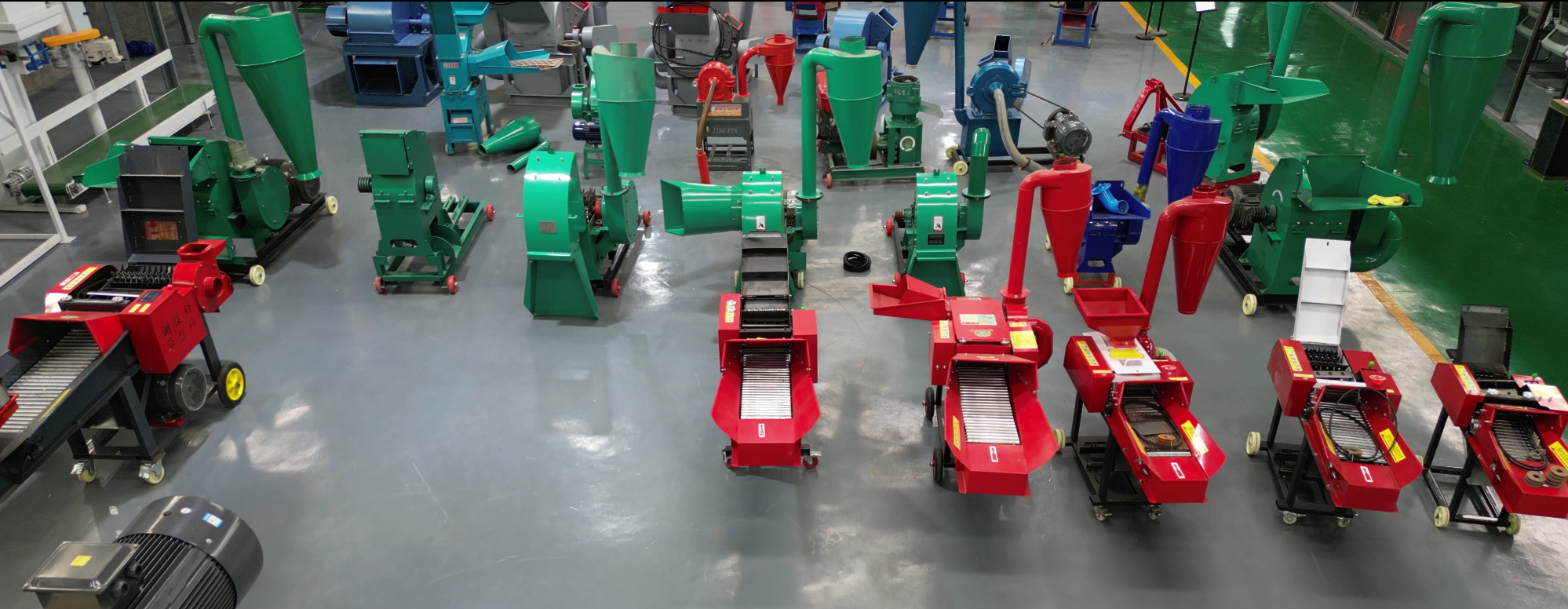
FCN.FM vertical and horizontal chaff cutter models ready for international distribution.
How Order Volume Shapes Wholesale Pricing
Volume is the single biggest lever in wholesale negotiations. Manufacturers can offer better unit prices at higher quantities because fixed costs — tooling, setup, quality inspection, and administrative handling — are spread across more units.
Typical Volume Discount Tiers
While exact pricing depends on the model and current material costs, most chaff cutter manufacturers structure discounts in tiers similar to the following:
| Order Quantity | Typical Discount off List Price | Notes |
|---|---|---|
| 1–5 units (sample/trial) | 0–5% | Often at or near retail; suitable for market testing |
| 6–20 units | 5–12% | Entry-level wholesale; mixed models usually allowed |
| 21–50 units | 12–20% | Standard distributor tier; better freight consolidation |
| 51–100 units | 20–28% | Preferred distributor tier; customization options open up |
| 100+ units | 28%+ | Negotiated individually; may include exclusive territory rights |
These ranges are indicative. FCN.FM provides confirmed quotations based on the specific models, quantities, and destination port, so always request a formal proforma invoice for accurate figures.
Model Mix and Its Effect on Unit Cost
Distributors rarely order a single model in bulk. Mixing models within one container allows you to serve different customer segments while still hitting the volume threshold for better pricing. However, model mix affects unit economics:
- Higher-capacity models (e.g., the 3.8 vertical chaff cutter with a 5.5KW motor and 800–1500kg/h capacity) carry a higher base price but often deliver better margin per unit because end-users perceive greater value.
- Standard models (e.g., the 2.8 vertical or horizontal chaff cutter, both 4KW, 600–800kg/h) are easier to move in volume and suit price-sensitive markets.
- Mixed orders that combine standard and premium models typically achieve a blended discount that reflects the overall order value rather than per-model volume.
Customization and Its Impact on Pricing
FCN.FM offers OEM and ODM services, which means distributors can request changes to machine configuration, power systems, branding, and packaging. Customization adds cost, but it also adds differentiation that can justify higher resale prices.
Customization Options That Add Cost
- Brand labeling and logo printing — modest setup fee, usually waived above a minimum order quantity
- Voltage and power modifications (e.g., 220V vs. 380V, or diesel engine options) — may change the motor or component specification and affect unit cost
- Custom packaging and crate design — relevant for markets with specific import or retail display requirements
- Accessory bundles (extra blades, spare parts kits) — adds to unit cost but reduces after-sales friction
When Customization Pays Off
Customization is most cost-effective when ordered in larger volumes where the setup cost is amortized. For example, a distributor ordering 50+ units with private-label branding can often recover the branding cost through a 10–15% premium on resale price, especially in markets where brand trust influences purchase decisions.
A Framework for Estimating Distributor Margins
Estimating your margin requires accounting for every cost between the factory gate and the end customer. Use the following framework as a starting point.
Cost Components to Include
- Ex-works or FOB unit price — the wholesale price from FCN.FM
- Inland freight to port — trucking from the factory to the export port
- Ocean freight and insurance — varies significantly by destination and container utilization
- Import duties and taxes — dependent on your country's tariff schedule for agricultural machinery
- Inland freight to warehouse — from your port to your distribution center
- Warehousing and handling — storage, labor, and inventory carrying cost
- Marketing and sales cost — advertising, sales commissions, dealer support
- After-sales reserve — spare parts, warranty support, and technical assistance
Margin Calculation Example
Consider a distributor importing 30 units of the 2.8 horizontal chaff cutter (4KW, 600–800kg/h capacity):
| Cost Item | Estimated Amount (per unit) |
|---|---|
| FOB unit price (after volume discount) | $X |
| Ocean freight allocation | $Y |
| Import duty (e.g., 5%) | Calculated on CIF |
| Inland freight and handling | $Z |
| Total landed cost | Sum of above |
| Target resale price | Landed cost × markup factor |
| Gross margin | Resale price − landed cost |
A common approach for agricultural machinery distributors is to target a gross margin of 25–40% on landed cost, depending on market competition and the level of after-sales service provided. Premium models with higher capacity often support the upper end of this range.
Tip: Always build a spare parts margin into your business model. Blades and wear parts for chaff cutters are recurring revenue — a customer who buys blades from you for years is far more valuable than a one-time machine sale.
FCN.FM Chaff Cutter Product Line for Distributors
FCN.FM currently offers the following chaff cutter models suitable for international distribution:
| Model | Type | Motor Power | Capacity | Key Feature |
|---|---|---|---|---|
| 2.8 | Vertical chaff cutter machine | 4KW | 600–800kg/h | High efficiency, easy operation, wet and dry material available |
| 2.8 | Horizontal chaff cutter machine | 4KW | 600–800kg/h | High efficiency, easy operation, wet and dry material available |
| 3.8 | Vertical chaff cutter | 5.5KW | 800–1500kg/h | High efficiency, easy operation, wet and dry material available |
All models handle both wet and dry material, making them versatile for different livestock feeding systems and regional fodder types. Exact specifications should be confirmed with FCN.FM before finalizing an order, as configurations can be adjusted for specific market requirements.
Chaff cutter in operation — a useful asset for distributor marketing and customer demonstrations.
Practical Tips for Negotiating Wholesale Orders
- Request a tiered price list covering multiple quantity breakpoints so you can plan growth without renegotiating each time.
- Ask about container optimization — FCN.FM can help you determine how many units fit in a 20ft or 40ft container to minimize per-unit freight cost.
- Clarify warranty terms — understand what is covered, for how long, and how spare parts are supplied internationally.
- Confirm export documentation — commercial invoice, packing list, bill of lading, and any certificates of origin required by your customs authority.
- Discuss payment terms — common structures include a deposit with balance before shipment, or letter of credit for larger orders.
- Plan for after-sales support — order an initial spare parts package alongside your first machine order to support early customers.
Conclusion
Successful chaff cutter distribution depends on understanding the full cost picture — not just the unit price. By factoring in volume discounts, model mix, customization costs, freight, duties, and after-sales reserves, you can estimate realistic margins and set competitive resale prices in your market. FCN.FM works directly with international distributors to provide transparent quotations, flexible OEM/ODM options, and technical support throughout the ordering process. To receive a customized wholesale price list based on your target quantity and destination, reach out to the FCN.FM export team with your requirements.
References
- FCN.FM Chaff Cutter Machine product pages — https://www.chaffcuttermachine.com
- FCN.FM company profile and manufacturing capabilities — https://www.chaffcuttermachine.com/about-us
- General guidance on agricultural machinery import procedures — https://www.wto.org/english/tratop_e/tariffs_e/tariffs_e.htm