Horizontal Chaff Cutter Model 2.8: A Buyer's Guide
When livestock farms and feed processors evaluate a horizontal chaff cutter, the model 2.8 stands out as a compact, high-efficiency option designed for daily fodder processing. Powered by a 4 kW motor and delivering a processing capacity of 600–800 kg/h, this horizontal chaff cutter model 2.8 handles both wet and dry material with ease, making it a practical choice for small and medium-sized farming operations that need reliable, consistent output without overcomplicating their workflow.
This guide walks you through what the model 2.8 offers, how to assess whether it fits your operation, and the specific details you should confirm with the manufacturer before placing an order.
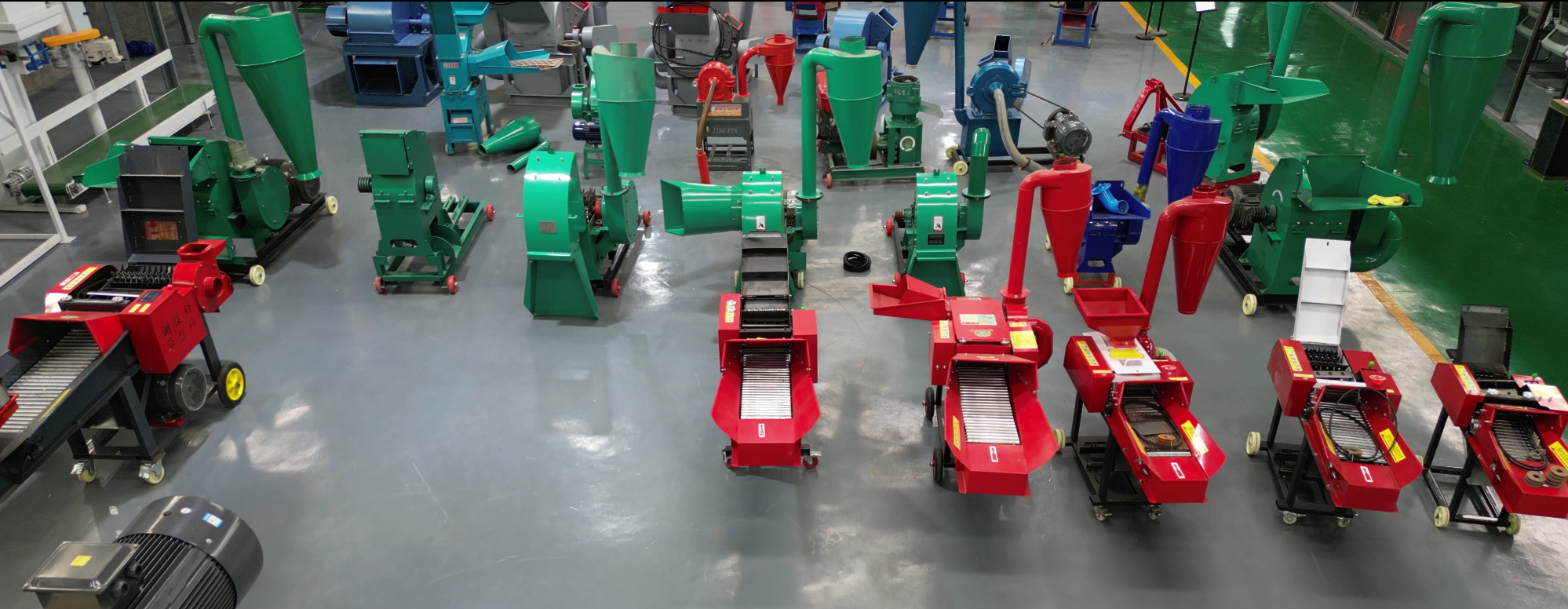
Horizontal chaff cutter machine — compact design for wet and dry fodder processing
Key Specifications at a Glance
Before diving into selection criteria, it helps to have the verified specifications in one place. The horizontal chaff cutter model 2.8 is built around the following confirmed parameters:
| Specification | Detail |
|---|---|
| Model | Horizontal chaff cutter machine (Model 2.8) |
| Motor Power | 4 kW |
| Processing Capacity | 600–800 kg/h |
| Material Compatibility | Wet and dry fodder |
| Design Orientation | Horizontal feeding and cutting |
| Operating Characteristic | High efficiency, easy operation |
These figures come directly from the manufacturer's product data. Any additional dimensional or electrical details should be confirmed with the supplier, as configurations can vary based on order requirements.
Why Choose a Horizontal Configuration?
Chaff cutters are generally available in two orientations: horizontal and vertical. Understanding the difference helps you decide which layout suits your feeding arrangement and floor plan.
Horizontal Feeding Advantages
In a horizontal chaff cutter, material is fed into the cutting chamber along a horizontal plane. This orientation offers several practical benefits:
- Lower feeding height — operators can feed material at waist level, reducing lifting strain during extended processing sessions.
- Continuous feeding — long straw, hay, and grass can be fed steadily without the material falling back toward the operator.
- Compact footprint — horizontal units typically require less vertical clearance, making them suitable for barns or sheds with lower ceilings.
- Wet and dry versatility — the model 2.8 processes both fresh green fodder and dry straw without requiring separate equipment.
When a Vertical Model May Be Better
If your operation requires higher throughput — for example, above 800 kg/h — a vertical model with a larger motor may be more appropriate. The manufacturer also offers a vertical chaff cutter model 3.8 with a 5.5 kW motor and a capacity of 800–1500 kg/h, which suits larger operations or commercial feed processing.
Wet and Dry Material Processing
One of the most important features of the horizontal chaff cutter model 2.8 is its ability to handle both wet and dry fodder. This flexibility matters in real farming conditions, where the type of available material changes with the season.
Wet Material Applications
Wet material includes fresh green grass, silage, and freshly cut fodder crops. The cutting blades and chamber are designed to process moist material without clogging, allowing farms to chop green fodder immediately after harvesting.
Dry Material Applications
Dry material includes straw, hay, and dried crop residues. The 4 kW motor provides sufficient torque to cut through fibrous dry stalks consistently, producing uniform chaff suitable for mixing with concentrate feed or feeding directly to livestock.
Chaff cutter in operation — demonstrating cutting performance with actual fodder material
Pre-Purchase Checklist: What to Confirm with the Manufacturer
Before requesting a formal quotation, serious buyers should gather specific technical and logistical details. The following checklist covers the key areas that affect installation, operation, and long-term satisfaction.
Layout and Dimensional Requirements
- Overall machine dimensions — confirm the length, width, and height of the unit as shipped, including any protruding components such as the discharge chute or motor housing.
- Floor space required — ask for the recommended clearance around the machine for safe operation and maintenance access.
- Weight — confirm the shipping weight so you can plan for unloading and positioning equipment at your facility.
- Base mounting — ask whether the machine requires bolting to a concrete foundation or can operate on a level floor surface.
Feeding Arrangements
- Feed table or tray — confirm whether a feeding table or tray is included, and whether it is adjustable for different operator heights.
- Feed opening size — ask for the dimensions of the feed inlet to ensure your material (long straw, hay bales, or bundled grass) can be fed without excessive pre-cutting.
- Feeding direction — confirm the orientation of the feed opening relative to the operator position and discharge point.
Discharge Details
- Discharge height — confirm the height of the discharge outlet so you can position collection bags, carts, or conveyors at the correct level.
- Discharge direction — ask whether the discharge chute is fixed or adjustable, and in which direction cut material is expelled.
- Cutting length options — confirm what cutting lengths are achievable and whether blade adjustments allow you to change the output size for different livestock requirements.
Demonstration with Your Material
One of the most valuable steps before purchasing is to request a demonstration using material that matches what your operation will actually process.
- Provide a sample — send or describe the specific type of fodder you intend to process (e.g., wheat straw, alfalfa hay, fresh corn stalks).
- Request a video — if an in-person visit is not practical, ask the manufacturer to record a test run with your material type and share the footage.
- Observe output quality — evaluate whether the cut length is uniform and whether the machine handles the material without jamming or requiring excessive pushing.
Power Requirements and Electrical Setup
The horizontal chaff cutter model 2.8 uses a 4 kW motor. Before ordering, confirm the following electrical details with the manufacturer:
- Voltage and phase — confirm whether the motor is configured for single-phase or three-phase supply, and at what voltage (e.g., 220V or 380V). This must match your local electrical infrastructure.
- Starting method — ask whether the motor uses direct-on-line starting or requires a soft starter, particularly if your electrical supply has limited capacity.
- Cable and switch requirements — confirm the recommended cable gauge and whether an emergency stop switch is included.
For buyers in regions with unstable power supply, the manufacturer may offer alternative power configurations. Discuss your site conditions during the inquiry stage.
Comparing the Model 2.8 to Other Options
The manufacturer produces several chaff cutter models. Here is how the horizontal model 2.8 compares to other verified options in the product line:
| Model | Orientation | Motor Power | Capacity |
|---|---|---|---|
| Horizontal chaff cutter 2.8 | Horizontal | 4 kW | 600–800 kg/h |
| Vertical chaff cutter 2.8 | Vertical | 4 kW | 600–800 kg/h |
| Vertical chaff cutter 3.8 | Vertical | 5.5 kW | 800–1500 kg/h |
The horizontal model 2.8 and the vertical model 2.8 share the same motor power and capacity. The choice between them comes down to feeding preference, floor space, and operator ergonomics. For operations needing higher throughput, the vertical model 3.8 offers a step up in both motor power and capacity.
Cost Considerations for International Buyers
When budgeting for a horizontal chaff cutter model 2.8, consider the following cost factors beyond the base machine price:
- Shipping and freight — confirm whether the quoted price includes packaging, inland transport to port, and ocean freight to your destination.
- Customs and import duties — check the applicable tariff codes and duty rates in your country for agricultural machinery.
- Spare parts availability — ask about the availability and cost of replacement blades, belts, and bearings. A reliable supply of spare parts reduces long-term operating costs.
- After-sales support — confirm what technical support, documentation, and warranty coverage the manufacturer provides for international orders.
The manufacturer offers OEM and ODM customization services, which means buyers with specific requirements — such as different voltage configurations, branding, or accessory packages — can discuss tailored solutions during the inquiry process.
Conclusion
The horizontal chaff cutter model 2.8 is a well-suited machine for farms and feed processors that need a dependable 4 kW unit capable of processing 600–800 kg/h of both wet and dry fodder. Its horizontal feeding design, combined with high efficiency and easy operation, makes it a practical investment for daily livestock feeding operations.
Before finalizing your purchase, use the checklist above to confirm layout dimensions, feeding arrangements, discharge details, and power requirements with the manufacturer. Requesting a demonstration with your actual material is the most reliable way to verify that the machine meets your operational needs.
Henan Macin Machinery Equipment Co., Ltd. (FCN.FM) manufactures chaff cutters and animal feed processing equipment at its own facility and exports to customers worldwide. To request detailed specifications, a quotation, or a demonstration video for the horizontal chaff cutter model 2.8, contact the company directly through its official website.
References
- FCN.FM — Horizontal Chaff Cutter Machine Product Page: https://www.chaffcuttermachine.com/
- FCN.FM — Chaff Cutter Working Video: https://www.chaffcuttermachine.com/usr/uploads/seogeo/202611/de96c9f4d98a5745390d0b7f6fbd4cdf.mp4