Requesting a chaff cutter acceptance test before shipment is one of the most reliable ways for an importer or distributor to confirm that a machine will actually perform as quoted. Published capacity ranges are useful for shortlisting models, but they rarely define the exact conditions under which those figures were measured. Without a documented test, buyers often discover performance gaps only after the machine has been installed on the farm — when correction is expensive and time-consuming. This guide explains how to build a practical pre-shipment test protocol, agree on acceptance criteria with your supplier, and record results that protect both sides of the transaction.
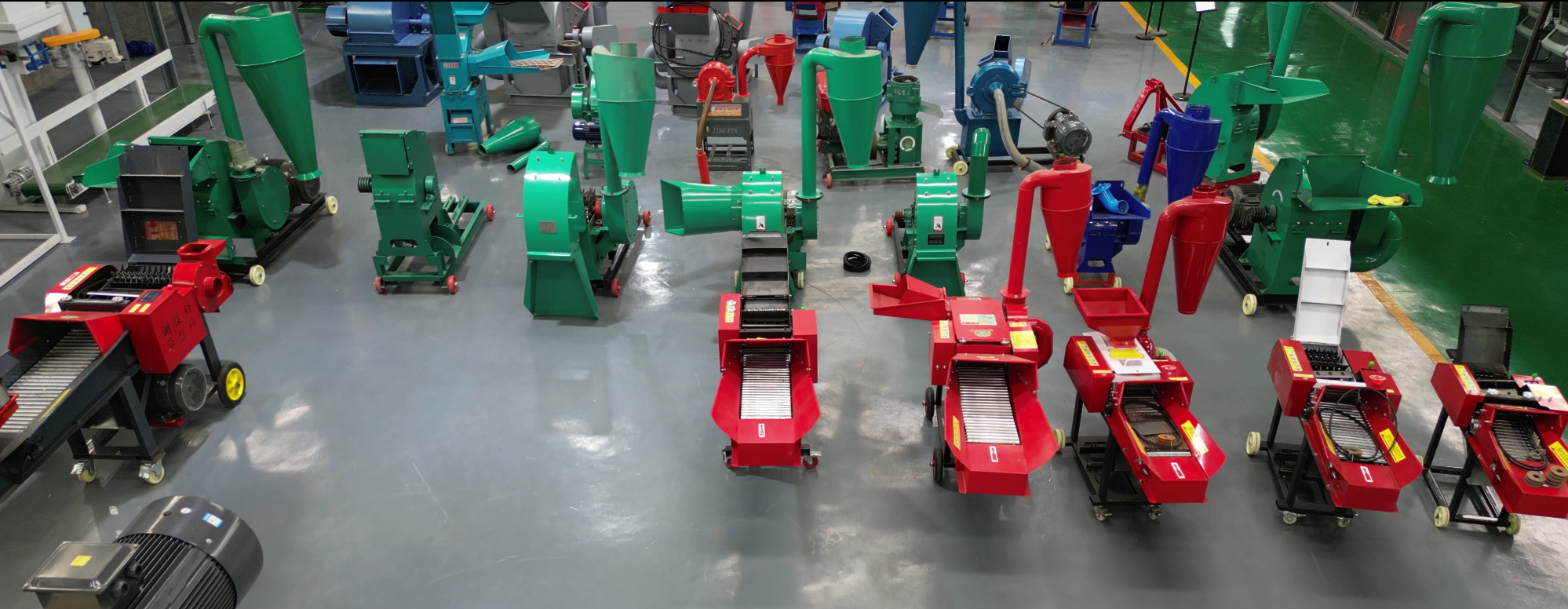
Chaff cutter machine prepared for a documented pre-shipment performance test.
Why Published Capacity Ranges Are Not a Complete Acceptance Standard
Most chaff cutter listings quote a capacity range — for example, the FCN.FM vertical chaff cutter machine (model 2.8) is rated at 600–800 kg/h with a 4KW motor, while the model 3.8 vertical chaff cutter is rated at 800–1500 kg/h with a 5.5KW motor. These figures are genuine, but they describe performance under specific, often unstated conditions.
What Capacity Figures Usually Assume
A quoted capacity typically depends on:
- Material type — green grass, dry straw, maize stover, and hay do not cut at the same rate.
- Moisture content — wet material behaves very differently from dry material in the same machine.
- Feed rate — how consistently the operator feeds material into the chute.
- Cutting length setting — shorter cut lengths usually reduce throughput.
- Blade condition — sharp blades produce the quoted figure; worn blades do not.
- Power supply stability — voltage fluctuations affect electric motor output.
Because these variables are rarely published alongside the capacity range, two buyers can test the same model and record different results. A formal acceptance test removes that ambiguity by fixing the conditions in advance.
The Risk of Skipping a Documented Test
Importers who rely only on catalogue figures commonly encounter:
- Disputes over whether the machine "meets specification."
- Higher rejection rates at the point of use.
- Costly retrofits or blade replacements shortly after commissioning.
- Damaged relationships with downstream farm customers.
A short, structured test before the machine leaves the factory prevents most of these problems.
Agreeing on Test Conditions Before Testing Begins
The most important step happens before the machine is switched on. Buyer and supplier should agree in writing on the material, the method, and the pass/fail thresholds. Treating the test as a joint exercise — rather than a supplier-only demonstration — produces results both parties trust.
Material Condition
Specify the exact raw material to be used. A useful description includes:
- Material type (e.g., dry wheat straw, green grass, maize stover).
- Approximate moisture content, if measurable.
- Whether the material is loose, baled, or pre-chopped.
- Source and batch, if the test will be repeated later.
Power Supply and Setup
Confirm the electrical supply the machine will be tested on. For a 4KW or 5.5KW motor, the test supply should match the rated voltage and frequency the buyer will use in their market. Note whether the machine is tested as a standalone unit or as part of a production line.
Operator and Feed Method
Agree who operates the machine and how material will be fed. A trained factory operator will usually achieve better throughput than an untrained one, so the buyer should decide whether the test should reflect best-case or typical-field performance.
Acceptance Criteria
Define numeric pass/fail limits. Common criteria include:
- Minimum throughput (kg/h) over the test period.
- Maximum allowable deviation from the quoted capacity range.
- Target cutting length and acceptable variation.
- Noise and vibration limits, if relevant.
- Absence of abnormal wear, overheating, or stoppages.
A Proposed Chaff Cutter Test Record Template
A simple, structured record keeps the test objective and repeatable. The following template covers the essential fields an importer should request.
| Field | What to Record |
|---|---|
| Machine identification | Model, serial number, motor power, rated capacity |
| Test date and location | Factory name, test bay, date, operator name |
| Material condition | Type, moisture, form (loose/baled), batch reference |
| Input weight | Total weight of material fed, in kg |
| Elapsed time | Run duration in minutes or hours |
| Calculated throughput | Input weight ÷ elapsed time, expressed in kg/h |
| Cutting length setting | Set value and measured average output length |
| Observed cutting results | Uniformity, presence of uncut pieces, blockages |
| Machine condition after test | Blade wear, temperature, vibration, leaks, noise |
| Pass/fail result | Against the agreed acceptance criteria |
| Signatures | Supplier representative and buyer witness (or third-party inspector) |
Recording Input Weight and Elapsed Time
Weigh the full batch of material before the test and the processed output afterward. Record the start and end time precisely. Throughput is then calculated directly rather than estimated. For a machine rated at 600–800 kg/h, a 30-minute run with a measured input of 350 kg indicates a throughput of 700 kg/h under those specific conditions.
Observing Cutting Results
Beyond throughput, note the quality of the cut material:
- Is the cut length consistent with the setting?
- Are there uncut or partially cut stalks?
- Did the machine jam or require clearing?
- Was the output suitable for the intended livestock feed application?
These observations often matter more to the end user than the headline capacity figure.
Chaff cutter in operation — a working video is useful supporting evidence alongside the written test record.
Practical Tips for a Smooth Acceptance Test
Request a Video or Live Remote Test
If the buyer cannot attend in person, ask the supplier to record the full test run — including the weighing of input material, the machine operating, and the final output. A live video call is even better, as it allows the buyer to ask questions in real time.
Use a Third-Party Inspector When Appropriate
For larger orders, an independent inspection agency can witness the test and issue a report. This adds cost but provides an objective record that is valuable in the event of a later dispute.
Agree on What Happens If the Test Fails
Before testing, agree on the remedy if the machine does not meet the criteria — for example, adjustment and retest, replacement, or a documented concession accepted by the buyer. This avoids difficult conversations after the fact.
Keep the Test Record With the Order File
The signed test record should be retained with the commercial invoice, packing list, and shipping documents. It becomes part of the machine's traceability history and is useful for warranty and after-sales support.
Matching the Test to the Machine and Application
Different machines and applications justify different test emphasis. For a high-capacity model such as the FCN.FM model 3.8 vertical chaff cutter (5.5KW, 800–1500 kg/h), throughput and continuous-run stability are usually the priority. For a smaller model 2.8 unit (4KW, 600–800 kg/h) intended for mixed wet and dry material, cutting quality across both material types may deserve more attention.
Buyers should also consider:
- Whether the machine will run continuously or in short cycles on the farm.
- The typical raw materials available in the destination market.
- Local power supply reliability.
- Spare parts and blade availability after delivery.
Aligning the test with real operating conditions gives the most meaningful result.
Conclusion
A chaff cutter acceptance test is a small investment of time that significantly reduces sourcing risk. By agreeing on material condition, power supply, operator method, and numeric acceptance criteria in advance — and by recording machine identification, input weight, elapsed time, and observed cutting results on a structured template — importers and distributors can confirm performance before the machine ships rather than after it arrives. FCN.FM supports buyers in defining test conditions, providing working videos, and supplying documented test records as part of the export order process. To discuss a pre-shipment test protocol for your specific chaff cutter requirement, contact our team with your target capacity, raw material, and destination market.
References
- FCN.FM — Chaff Cutter Machine product information: https://www.chaffcuttermachine.com/
- ISO 4254-1 — Agricultural machinery — Safety — General requirements: https://www.iso.org/standard/74967.html
- FAO — Agricultural machinery and equipment selection guidance: https://www.fao.org/
- IEC 60034 — Rotating electrical machines (motor rating context): https://www.iec.ch/