Knowing how to sharpen chaff cutter blades properly is one of the most valuable maintenance skills any livestock farmer or feed processor can develop. Dull or unbalanced blades don't just produce ragged, uneven cuts — they force your motor to work harder, increase fuel or electricity consumption, accelerate wear on bearings and drive components, and can even create dangerous vibration that loosens fasteners over time. Whether you operate a compact vertical unit or a higher-capacity horizontal machine, a disciplined blade maintenance routine will extend equipment life, improve cut quality, and keep your operation running safely and efficiently.
In this guide, we walk through the warning signs that your blades need attention, a safe step-by-step sharpening procedure, and the often-overlooked but critical step of blade balancing.
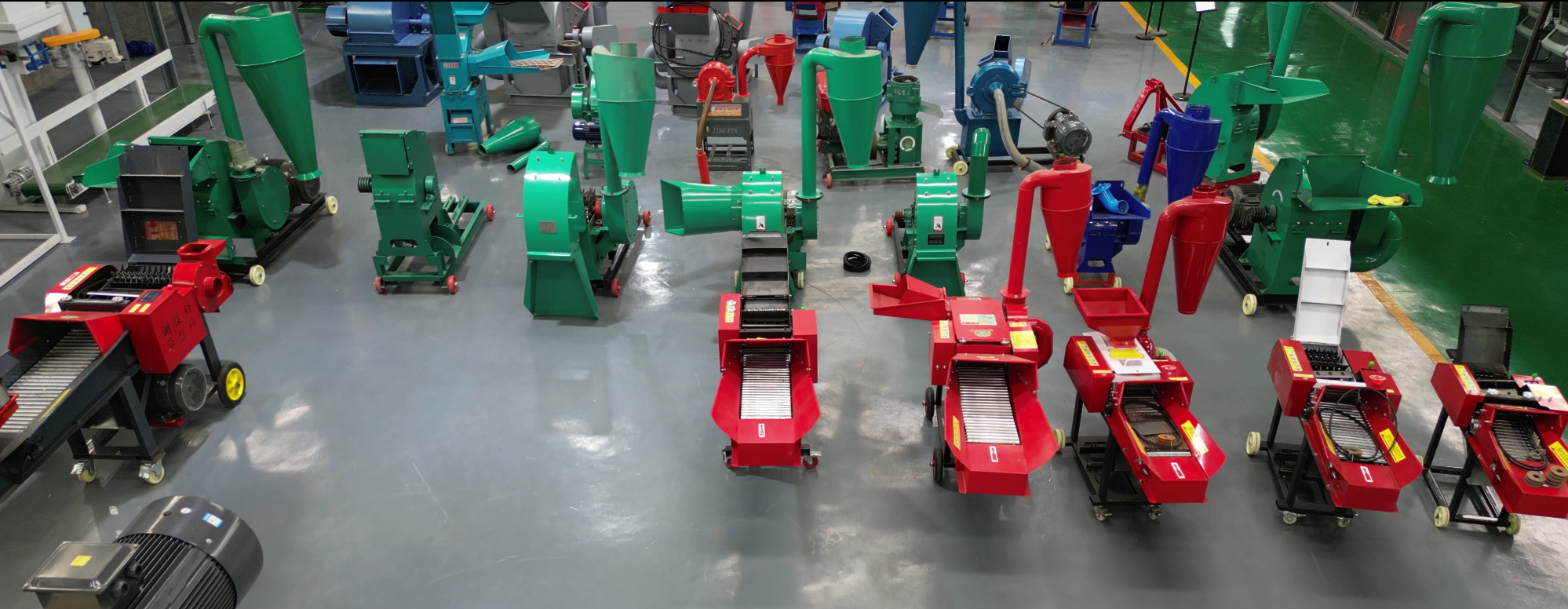
FCN.FM chaff cutter machines are designed for efficient wet and dry fodder processing across a range of capacities.
Why Blade Sharpness and Balance Matter
A chaff cutter's cutting performance depends on two factors working together: the edge geometry of the blade and the dynamic balance of the rotating assembly. When either is compromised, the entire machine suffers.
The Cost of Dull Blades
A sharp blade slices cleanly through grass, straw, and hay with minimal resistance. A dull blade, by contrast, tears and crushes fibrous material rather than cutting it. This has several downstream effects:
- Higher power draw — The motor must work harder to overcome friction, increasing energy consumption by a noticeable margin over a full day of operation.
- Reduced throughput — Material jams more frequently, and effective capacity drops below the machine's rated output.
- Poor cut quality — Ragged, bruised fodder is less palatable to livestock and can reduce feed intake.
- Accelerated wear — Excessive load transfers to bearings, belts, and the drive system, shortening their service life.
The Dangers of Unbalanced Blades
Even a perfectly sharp blade will cause problems if it is not dynamically balanced. An unbalanced rotating assembly creates centrifugal force that increases with speed, producing vibration that can:
- Loosen bolts and fasteners
- Damage bearings prematurely
- Cause uneven wear on the cutting chamber
- Create a safety hazard for operators
Balance is especially important on higher-capacity machines such as the FCN.FM vertical chaff cutter (model 3.8), which operates at 5.5KW and processes 800–1500kg/h — the higher rotational energy means imbalance is felt more acutely.
Signs Your Chaff Cutter Blades Need Attention
Catching blade wear early prevents minor issues from becoming costly repairs. Watch for these indicators across your FCN.FM chaff cutter models:
| Sign | Likely Cause | Action Required |
|---|---|---|
| Ragged or torn cut ends | Dull cutting edge | Sharpen blades |
| Increased motor noise or strain | Dull blades or imbalance | Inspect and sharpen; check balance |
| Visible vibration during operation | Unbalanced blade or debris buildup | Rebalance blades |
| Frequent material jamming | Worn edge geometry | Sharpen and check blade angle |
| Uneven cut lengths | Inconsistent blade gap or wear | Sharpen and adjust clearance |
| Visible nicks or chips on edge | Contact with stones or metal | Professional regrinding or replacement |
For the FCN.FM vertical chaff cutter machine (model 2.8, 4KW, 600–800kg/h) and the horizontal chaff cutter machine (model 2.8, 4KW, 600–800kg/h), a visual inspection of the blade edge every 20–30 operating hours is a good baseline. Machines processing abrasive or sandy material may require more frequent checks.
Step-by-Step Blade Sharpening Procedure
Before beginning any maintenance, always disconnect the machine from its power source. For electric models, unplug from the mains and lock out the switch. For diesel-driven units, remove the ignition key and allow the engine to cool completely.
Tools and Materials Needed
- Angle grinder with a fine-grit grinding disc (or a bench grinder)
- Mill file or whetstone for final honing
- Blade balancer or a simple cone-style balancing arbor
- Torque wrench
- Safety glasses and cut-resistant gloves
- Clean rag and light machine oil
Step 1: Remove the Blades Safely
Open the cutting chamber access panel according to your machine's manual. On FCN.FM vertical and horizontal models, blades are typically secured with hex bolts. Support the blade assembly to prevent it from dropping, then remove the bolts carefully. Note the orientation and position of each blade — this information is critical for correct reinstallation.
Step 2: Inspect the Blade
Examine the cutting edge for nicks, cracks, or excessive thinning. If the blade shows deep gouges, visible cracks, or has been sharpened down to less than the manufacturer's minimum thickness, it should be replaced rather than sharpened. Minor nicks and general dullness can be corrected with grinding.
Step 3: Grind the Cutting Edge
Using an angle grinder or bench grinder, restore the original bevel angle. Most chaff cutter blades use a bevel angle between 25° and 35°, though you should confirm the exact specification for your model. Key principles:
- Maintain consistent angle — Rocking the blade during grinding produces an uneven edge that will dull quickly.
- Use light passes — Remove small amounts of material with each pass to avoid overheating.
- Prevent overheating — Dip the blade in water frequently. A blue or straw-colored tint on the steel indicates the edge has been overheated, which softens the metal and destroys edge retention.
- Grind both sides evenly — Remove the same amount of material from each blade to preserve balance.
Step 4: Hone the Edge
After grinding, use a mill file or whetstone to remove any burr and refine the edge. A properly honed blade should be sharp enough to slice cleanly through a piece of paper held vertically.
Step 5: Clean and Protect
Wipe the blade with a clean rag to remove metal particles and grinding residue. Apply a thin coat of light machine oil to prevent corrosion, especially if the machine will be stored for any period.
Balancing the Blades: Why It Cannot Be Skipped
Sharpening removes material from the blade, and even small differences in how much is removed from each blade or from different points on the same blade will create imbalance. Running an unbalanced assembly is one of the fastest ways to damage your machine.
How to Check Balance
- Place each blade on a cone-style blade balancer or a horizontal balancing arbor.
- If the blade tilts consistently to one side, the heavier side needs additional material removed.
- Grind small amounts from the heavy side (on the non-cutting edge, away from the bevel) and recheck.
- Repeat until the blade sits level on the balancer.
- When multiple blades are fitted, ensure all blades are balanced to the same standard.
Reinstallation and Torque
When reinstalling blades, use a torque wrench to tighten bolts to the manufacturer's specified torque value. Under-tightened blades can work loose during operation — a serious safety hazard. Over-tightening can strip threads or crack the blade. If you are unsure of the correct torque specification for your FCN.FM model, confirm with the manufacturer before operation.
After reassembly, run the machine briefly at no load and listen for vibration. A smooth, quiet idle confirms correct balance and installation.
Building a Blade Maintenance Routine
Consistency is more important than intensity when it comes to blade care. A simple routine tailored to your operating hours will keep performance consistent:
- Daily: Visual inspection of blades through the access panel; listen for unusual noise or vibration at startup.
- Weekly (or every 20–30 hours): Check blade edge sharpness; clean the cutting chamber of accumulated debris.
- Monthly: Remove and inspect blades in detail; sharpen as needed and verify balance.
- Seasonally: Full blade service including professional regrinding if edges are heavily worn; check blade thickness against minimum specification.
For operations running higher-capacity equipment such as the FCN.FM vertical chaff cutter (model 3.8, 5.5KW, 800–1500kg/h), the increased throughput justifies more frequent blade inspections — a sharp, balanced blade set is essential to achieving rated capacity consistently.
Watch FCN.FM chaff cutter machines in operation, processing wet and dry fodder material efficiently.
Conclusion
Sharpening and balancing chaff cutter blades is a straightforward maintenance task that delivers outsized returns in cut quality, energy efficiency, and equipment longevity. By recognizing the early warning signs of blade wear, following a safe sharpening procedure, and never skipping the balance check, you protect both your investment and your operators. A well-maintained blade set is the difference between a machine that performs at its rated capacity and one that struggles through every bale.
If you have questions about blade specifications, recommended maintenance intervals for your specific FCN.FM model, or need guidance on replacement parts, the FCN.FM technical team is available to help. Reach out to discuss your equipment and get model-specific support.
References
- FCN.FM Chaff Cutter Machine product specifications — https://www.chaffcuttermachine.com
- Occupational Safety and Health Administration (OSHA) — Machine Guarding Safety Guidelines — https://www.osha.gov/machine-guarding
- International Organization for Standardization — ISO 4254-1: Agricultural machinery safety requirements — https://www.iso.org/standard/63996.html