Proper chaff cutter storage is one of the most overlooked aspects of owning agricultural processing equipment. Whether you operate a small livestock farm that processes fodder seasonally or manage a commercial feed operation with machines that sit idle between harvest cycles, how you store your chaff cutter during downtime directly affects blade life, motor reliability, and how quickly you can return to full production when the next season begins. A machine left dirty, damp, or unprotected can develop rust on cutting surfaces, suffer electrical damage, or require costly repairs that could have been avoided with a simple pre-storage routine. This guide walks you through a complete pre-storage checklist and a safe restart procedure for your FCN.FM chaff cutter.
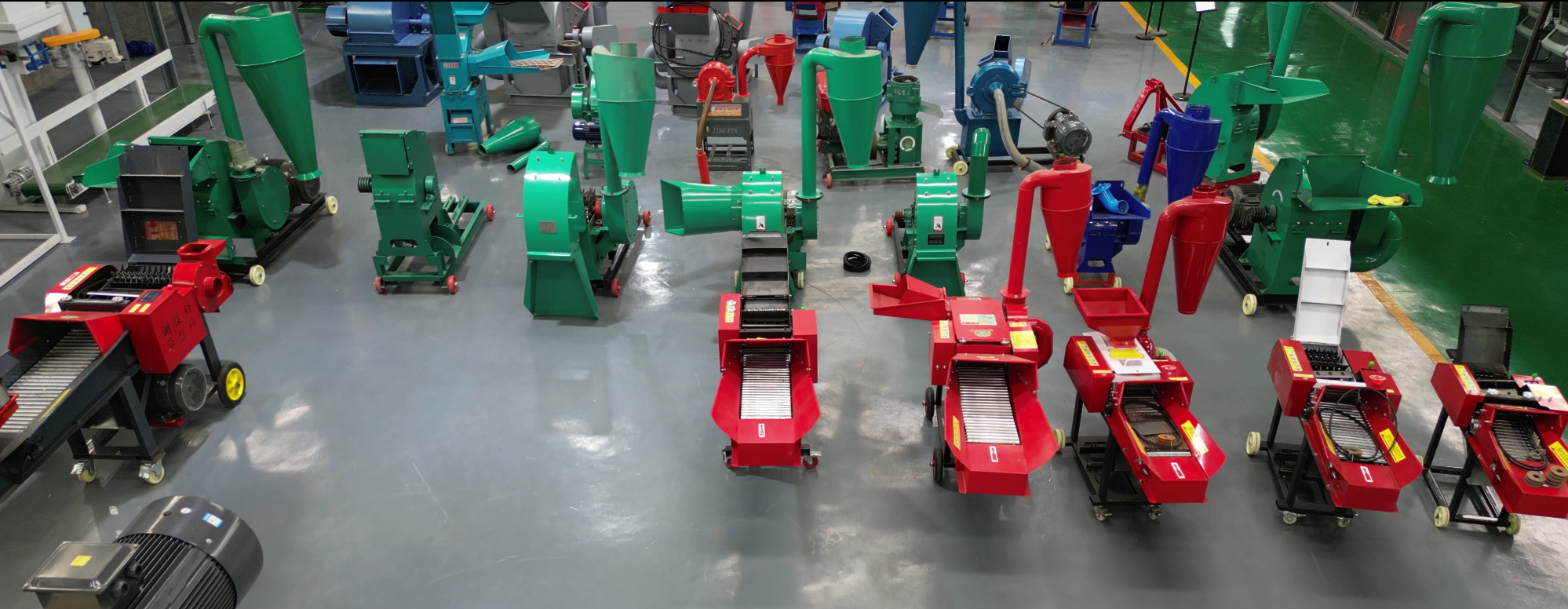
FCN.FM chaff cutter machine — proper storage extends equipment life and reduces seasonal restart delays.
Why Proper Chaff Cutter Storage Matters
Chaff cutters process wet and dry organic material — green fodder, straw, hay, and silage — which leaves behind moisture, plant acids, and fine debris inside the cutting chamber, feed chute, and discharge area. When this residue is left in place during storage, several problems develop:
- Corrosion of blades and metal surfaces. Plant moisture combined with organic acids accelerates rust formation on high-carbon steel blades and the cutting chamber walls.
- Electrical component degradation. Humidity and dust accumulation around the motor housing, wiring terminals, and switch gear can cause insulation breakdown and short circuits.
- Bearing and drive system damage. Residual debris packed around bearings and drive belts creates friction and traps moisture, leading to premature wear.
- Pest infestation. Leftover plant material attracts rodents and insects that can chew wiring insulation and nest inside the machine housing.
For seasonal operations — particularly in regions with distinct wet and dry seasons or cold winters — a structured storage routine is the difference between a machine that starts cleanly in spring and one that needs blade replacement, motor servicing, or electrical repairs before it can run.
Pre-Storage Checklist: Cleaning Your Chaff Cutter
Thorough cleaning is the single most important step before putting your machine into storage. Follow this sequence:
Step 1: Disconnect Power and Remove Residual Material
Unplug the machine from its power source or disconnect the battery if it is a diesel-engine model. Remove all visible fodder, straw, and chaff from the feed hopper, cutting chamber, and discharge chute. Use a stiff brush and a wooden or plastic scraper — never a metal tool that could nick the blade edges or damage the chamber coating.
Step 2: Wash Down Non-Electrical Components
For machines with a removable cutting chamber cover or feed tray, wash these parts with warm water and a mild detergent to remove sticky plant residues and sap deposits. Avoid directing water at the motor housing, switch box, or any electrical connection points. On FCN.FM vertical and horizontal chaff cutter models — such as the 2.8 model with a 4KW motor and 600-800kg/h capacity, or the 3.8 model with a 5.5KW motor and 800-1500kg/h capacity — the motor housing is sealed but should never be submerged or pressure-washed.
Step 3: Dry All Components Completely
After washing, dry every metal surface with a clean cloth. Allow the machine to air-dry in a well-ventilated area for at least 24 hours before storage. Any trapped moisture inside the cutting chamber or around the blade mounting bolts will cause rust during storage.
Step 4: Apply Protective Coating
Wipe all exposed metal surfaces — blades, cutting chamber interior, feed rollers, and discharge chute — with a light machine oil or a food-grade rust preventive spray. This creates a barrier against humidity and condensation during the storage period.
Blade Protection and Pre-Storage Sharpening
The cutting blades are the most critical wear component on any chaff cutter. Storing them correctly preserves their edge and extends their working life.
Inspect and Sharpen Before Storage
Before storing your machine, inspect each blade for chips, cracks, or excessive wear. If blades are dull but structurally sound, sharpen them now rather than at the start of the next season. A sharp blade stored with a protective oil coating will be ready to use immediately when you restart. If blades are heavily worn or damaged, replace them before storage so the machine is fully operational when needed.
Remove Blades for Long-Term Storage
For storage periods longer than six months, consider removing the blades entirely. Wrap each blade in an oil-soaked cloth or store them in a sealed plastic bag with a desiccant packet. Label them and store them separately in a dry location. This prevents the blades from rusting in place and makes reinstallation straightforward.
Blade Storage Conditions
- Store blades flat to prevent warping
- Keep them away from direct sunlight and heat sources
- Maintain a thin oil film on all cutting edges
- Check blade condition every 2-3 months during extended storage
Ideal Storage Conditions for Your Chaff Cutter
Where and how you store the machine is as important as how you prepare it.
Choose a Dry, Covered Location
Store your chaff cutter indoors in a dry shed, barn, or equipment room. The storage area should have low humidity, good ventilation, and protection from rain, snow, and direct sunlight. If indoor storage is not available, use a heavy-duty waterproof cover and elevate the machine on wooden pallets to keep it off damp ground.
Protect Electrical Components
For electric chaff cutters, cover the motor housing and switch box with a breathable protective cover. Do not use plastic sheeting directly on electrical components, as it can trap condensation. If the machine is stored in a humid environment, place moisture-absorbing desiccant packs inside the control box and near the motor.
Prevent Pest Damage
Seal all openings — feed hopper, discharge chute, and any access panels — with mesh or tape to prevent rodents and insects from entering. Remove any remaining plant material from inside and around the machine, as this is the primary attractant for pests.
Fuel System (Diesel Models)
For diesel-engine chaff cutters, either drain the fuel tank completely or fill it and add a fuel stabilizer to prevent gum and varnish deposits from forming in the fuel system. Run the engine for a few minutes after adding stabilizer to circulate it through the carburetor and fuel lines.
Restarting Your FCN.FM Chaff Cutter After Storage
When the new season begins, do not simply plug in and start cutting. A structured restart procedure ensures safe operation and identifies any issues that developed during storage.
Pre-Operation Inspection
Work through this checklist before applying power:
- Visual inspection — Check for rust, corrosion, pest damage, loose bolts, or cracked components.
- Blade check — Confirm blades are clean, sharp, properly mounted, and rotate freely without binding.
- Electrical check — Inspect power cord, plug, switch, and motor housing for cracks, fraying, or moisture damage. Verify all terminal connections are tight.
- Lubrication — Apply fresh grease to bearings and lubricate any designated lubrication points according to the manufacturer's manual.
- Belt and drive check — Inspect drive belts for cracks, glazing, or stretching. Adjust tension or replace as needed.
- Safety guards — Confirm all safety covers and guards are in place and secure.
Test Run Procedure
After the inspection, follow this sequence:
- Connect the machine to a properly rated power supply (confirm voltage and circuit breaker rating match the motor specification — for example, the FCN.FM 3.8 vertical chaff cutter requires a 5.5KW motor supply).
- Start the machine with no material in the feed hopper and let it run for 2-3 minutes. Listen for unusual noises, vibrations, or grinding sounds.
- Check that the motor reaches full speed and the blades rotate smoothly.
- Feed a small amount of material gradually and observe cutting performance and discharge flow.
- Stop the machine and recheck blade tightness and belt tension after the test run.
FCN.FM chaff cutter in operation — a smooth, vibration-free test run confirms the machine is ready for the season.
Seasonal Chaff Cutter Maintenance Schedule
| Task | Before Storage | During Storage (Monthly) | At Restart |
|---|---|---|---|
| Clean cutting chamber and feed chute | ✓ | — | ✓ |
| Sharpen or replace blades | ✓ | — | Inspect |
| Apply protective oil to metal surfaces | ✓ | Check coating | Reapply if needed |
| Inspect electrical wiring and connections | ✓ | Visual check | Full inspection |
| Check and grease bearings | ✓ | — | ✓ |
| Inspect drive belts | ✓ | — | ✓ |
| Check for pest damage | — | ✓ | ✓ |
| Test run (no load) | — | — | ✓ |
| Desiccant replacement (humid climates) | Install | Replace | Remove |
Conclusion
Effective chaff cutter storage is straightforward but requires consistency. A machine that is cleaned, dried, oiled, and stored in a dry, protected location will reward you with reliable performance, longer blade life, and fewer repair costs season after season. The restart procedure is equally important — a short inspection and test run before full production prevents small issues from becoming major breakdowns.
If you need guidance on storage procedures specific to your FCN.FM chaff cutter model, replacement blades, spare parts, or maintenance support, contact the FCN.FM technical team. We provide operation guidance, maintenance information, and OEM/ODM support for agricultural machinery customers worldwide.
References
- FCN.FM — Chaff Cutter Machine Product Page: https://www.chaffcuttermachine.com/chaff-cutter-machine/
- FCN.FM — Chaff Cutter Maintenance and Operation Guide: https://www.chaffcuttermachine.com/blog/
- FAO — Agricultural Machinery Storage and Maintenance Guidelines: https://www.fao.org/land-water/water/water-management/en/
- ISO — Agricultural Machinery Safety Standards Overview: https://www.iso.org/standards.html