Vertical Chaff Cutter Model 3.8: Power and Capacity Guide
When a livestock farm or feed processing business needs to move beyond small-batch chopping and handle a consistent daily volume of fodder, the vertical chaff cutter model 3.8 is one of the configurations most frequently requested from FCN.FM. Positioned in the mid-to-upper range of the company's vertical chaff cutter line, this model is rated at a motor power of 5.5KW and a processing capacity of 800–1,500 kg/h, with wet and dry material capability built into its design. Understanding what those numbers mean in practice — and what information you should share with the manufacturer before ordering — is the difference between a machine that fits your operation and one that becomes a bottleneck.
This guide walks through the Model 3.8's verified specifications, explains how its wet and dry capability affects real-world output, and outlines the operating details buyers should prepare before requesting a quote or an output test.
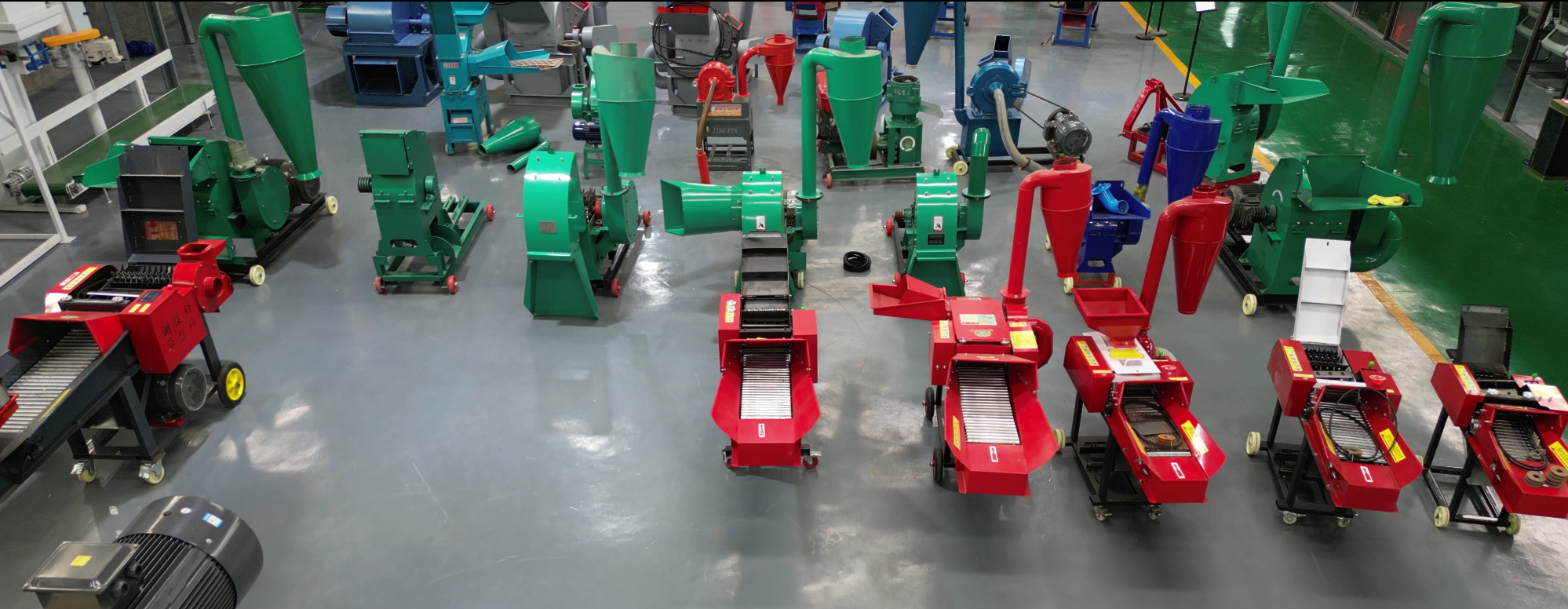
Vertical chaff cutter configuration offered by FCN.FM for livestock and fodder processing applications.
Model 3.8 at a Glance: Verified Specifications
The figures below are taken directly from FCN.FM's product data for the vertical chaff cutter model 3.8. These are the values the manufacturer stands behind, and they should be the baseline for any quotation or performance discussion.
| Specification | Vertical Chaff Cutter Model 3.8 |
|---|---|
| Motor power | 5.5KW |
| Capacity | 800–1,500 kg/h |
| Material capability | Wet and dry material available |
| Operating characteristics | High efficiency, easy operation |
| Product line | Chaff cutter (vertical configuration) |
What the 5.5KW Rating Means for Your Operation
A 5.5KW motor places the Model 3.8 above the entry-level vertical chaff cutter model 2.8, which is rated at 4KW and 600–800 kg/h. The additional motor capacity gives the Model 3.8 more torque headroom when feeding tougher or wetter material, and it is the primary reason the machine can sustain output at the upper end of its 800–1,500 kg/h range.
For buyers, the practical implication is straightforward: if your daily chopping volume regularly pushes past 800 kg, the 5.5KW platform is the more appropriate choice. If your volumes are lower and more intermittent, the 4KW model 2.8 may be the more economical fit. Confirming your local voltage and phase requirements with the manufacturer before ordering is essential, as motor configurations can be matched to the destination market.
Reading the 800–1,500 kg/h Capacity Range Correctly
The capacity range is not a guarantee of a fixed output — it is a band that reflects real-world variability. Where your machine lands within that band depends on several factors:
- Moisture content of the fodder. Wet, green material generally flows and cuts differently than dry straw or hay.
- Type and toughness of the raw material. Soft green fodder, dry straw, and fibrous crop residues each behave differently at the cutting chamber.
- Feed rate and operator technique. Consistent, even feeding keeps output near the upper end of the range; irregular feeding reduces effective throughput.
- Cut length setting and blade condition. Shorter cut lengths and worn blades both influence how much material the machine can process per hour.
Because of this variability, FCN.FM recommends that buyers assess suitability based on the lower end of the range for planning purposes and validate actual output under representative conditions before finalizing a purchase decision.
Wet and Dry Material Capability: What It Really Covers
The Model 3.8 is specified for wet and dry material available, meaning it is designed to process both fresh green fodder and drier materials such as straw and hay. This dual capability is one of the main reasons vertical chaff cutters are popular with mixed livestock operations, where feed types change with the season.
Wet Material Considerations
Fresh green fodder, silage-style material, and high-moisture crops introduce moisture into the cutting chamber. The Model 3.8's design accounts for this, but operators should expect output to trend toward the middle of the 800–1,500 kg/h range when processing very wet, dense material, and should follow the manufacturer's guidance on cleaning and drainage after wet-material runs.
Dry Material Considerations
Dry straw and hay are generally lighter and flow faster through the chamber, which can push output toward the upper end of the range. However, very dry, brittle material can be harder on blades over time, so blade inspection and replacement intervals should be discussed with the manufacturer based on your specific raw material mix.
Chaff cutter in operation — observe feed rate, cut consistency, and material handling before specifying a model.
How the Model 3.8 Compares Within the FCN.FM Vertical Line
FCN.FM currently offers two verified vertical chaff cutter configurations. Comparing them side by side helps clarify where the Model 3.8 fits.
| Model | Configuration | Motor Power | Capacity |
|---|---|---|---|
| Vertical chaff cutter model 2.8 | Vertical | 4KW | 600–800 kg/h |
| Vertical chaff cutter model 3.8 | Vertical | 5.5KW | 800–1,500 kg/h |
The Model 3.8 is the higher-capacity option in the vertical line. Buyers whose throughput requirements exceed 800 kg/h, or who process tougher material on a regular basis, will generally be directed toward the 5.5KW platform. For operations with lower or more occasional volumes, the 4KW model 2.8 remains a cost-effective alternative with the same wet and dry material capability.
Operating Details Buyers Should Provide Before Ordering
Because the 800–1,500 kg/h figure is a range rather than a fixed value, FCN.FM asks prospective buyers to supply a short set of operating details. Providing this information allows the manufacturer's technical team to assess whether the Model 3.8 is genuinely suitable and to give a realistic output expectation for your specific conditions.
Prepare the following before requesting a quote:
- Primary raw material. Identify the main fodder type — green grass, dry straw, hay, or a mix — and note seasonal variation.
- Average moisture condition. Indicate whether material is typically wet, dry, or a combination throughout the year.
- Required daily or hourly volume. State your target throughput in kilograms per hour or per day, based on real farm or plant demand.
- Desired cut length. Specify the chop length your livestock or downstream process requires.
- Available power supply. Confirm local voltage, phase, and frequency so the 5.5KW motor can be configured correctly.
- Duty cycle. Describe whether the machine will run continuously for several hours or in shorter, intermittent sessions.
- Feed method. Note whether feeding will be manual or assisted, as this directly affects achievable output.
Supplying these details upfront shortens the quotation cycle and reduces the risk of specifying a machine that is either under- or over-sized for the application.
Requesting an Output Test Under Representative Conditions
For B2B buyers — particularly distributors, importers, and larger livestock operations — FCN.FM recommends validating machine performance before committing to volume orders. An output test under representative conditions is the most reliable way to confirm that the Model 3.8 meets your real-world requirements.
What a Representative Test Should Include
A meaningful output test should use the same raw material, moisture condition, and cut length setting that you intend to run in production. Ask the manufacturer to:
- Run the machine with your specified material type and moisture level.
- Measure output over a defined time window to verify where performance falls within the 800–1,500 kg/h range.
- Demonstrate both wet and dry material if your operation uses both.
- Record motor load behavior at the 5.5KW rating during sustained feeding.
Working With FCN.FM on Testing and Validation
FCN.FM supports output testing and can arrange machine demonstrations and working videos for international buyers. Because the company operates its own manufacturing facility and offers OEM/ODM customization, testing can also be used to confirm any configuration adjustments — such as power supply matching or feed arrangements — before the order is finalized. Buyers should request test documentation and clarify which conditions the recorded output figures reflect.
Selection Criteria: Is the Model 3.8 Right for You?
Use the following criteria as a quick decision framework:
- Choose the Model 3.8 (5.5KW, 800–1,500 kg/h) if your sustained throughput requirement is above 800 kg/h, you process tougher or high-volume material regularly, or you want headroom for future capacity growth.
- Consider the model 2.8 (4KW, 600–800 kg/h) if your volumes are lower, more intermittent, or budget is the primary constraint and your material is easier to process.
- Request customized confirmation if your power supply, raw material, or duty cycle falls outside typical conditions — FCN.FM's OEM/ODM capability allows configuration adjustments to be discussed directly with the factory.
Conclusion
The vertical chaff cutter model 3.8 offers a 5.5KW motor and an 800–1,500 kg/h capacity range with wet and dry material capability, making it a strong mid-to-upper option for livestock farms and fodder processing businesses that need reliable throughput above entry-level volumes. Because real-world output depends on material type, moisture, feed rate, and cut length, the most important step a buyer can take is to share accurate operating details and request an output test under representative conditions before ordering.
If you are evaluating the Model 3.8 for your operation, contact FCN.FM with your raw material, target volume, and power supply details — the technical team can confirm suitability, provide a tailored quotation, and arrange output validation to support your purchasing decision.
References
- FCN.FM — Vertical Chaff Cutter Machine Product Page: https://www.chaffcuttermachine.com/
- FCN.FM — Chaff Cutter Machine Product Line: https://www.chaffcuttermachine.com/
- FAO — Animal Feed Resources and Fodder Processing Information: https://www.fao.org/
Note: All Model 3.8 and Model 2.8 specifications cited in this article are drawn from FCN.FM's verified product data. Exact configurations, power supply options, and output performance under specific conditions should be confirmed directly with the manufacturer.