When sourcing a chaff cutter machine from an overseas manufacturer, the warranty is one of the most important — and most frequently misunderstood — parts of the purchase agreement. A well-defined chaff cutter warranty protects your investment, reduces downtime, and gives you a clear path to resolution if something goes wrong after the machine arrives. Yet many international buyers sign orders without fully clarifying what the warranty actually covers, how long it lasts, or who bears the cost of parts and shipping. This guide walks through the key warranty points you should confirm before placing an order, so you can align terms with your supplier and avoid costly surprises.
Why Warranty Clarity Matters in Cross-Border Machinery Trade
Buying agricultural machinery internationally introduces variables that domestic purchases do not: long transit times, different voltage standards, varied raw material conditions, and limited access to local service technicians. A vague warranty clause that simply states "one year warranty" leaves too many questions unanswered.
For importers and distributors, unclear warranty terms can result in:
- Disputes over whether a failure is covered
- Unexpected costs for replacement parts and freight
- Extended machine downtime during busy harvesting seasons
- Strained relationships with end customers who expect support
Clarifying warranty terms upfront is a low-effort step that delivers long-term protection.
Key Warranty Points to Confirm Before Ordering
Before you finalize a purchase order, work through the following points with your supplier. Each one should be documented in writing.
1. Warranty Coverage Period
Most chaff cutter manufacturers offer a warranty period measured from the date of shipment or the date of commissioning. Confirm which start date applies, as this can shift your effective coverage by several weeks depending on transit time.
Typical industry practice ranges from 12 to 18 months for the main machine body, with shorter periods for wear parts. Ask your supplier to specify:
- The exact start date trigger (ex-works date, bill of lading date, or arrival date)
- Whether the warranty period differs for the machine body versus individual components
- Whether the period can be extended for an additional fee
2. Covered Components vs. Wear Parts
Not all parts of a chaff cutter are treated equally under warranty. Moving and cutting components that experience natural wear during normal operation are usually excluded or covered for a shorter period.
| Component Category | Typical Warranty Treatment |
|---|---|
| Motor / Engine | Covered for full warranty period |
| Gearbox / Transmission | Covered for full warranty period |
| Frame and Housing | Covered for full warranty period |
| Cutting Blades | Often covered for a shorter period or excluded as wear parts |
| Belts and Bearings | May be covered for 3–6 months only |
| Electrical Components | Covered, but subject to correct voltage supply |
Ask your supplier to provide a written list of which parts are fully covered, partially covered, or excluded. This prevents disagreement later.
3. What Voids the Warranty
Warranty terms typically include conditions that, if breached, void coverage. Common exclusions include:
- Operating the machine beyond its rated capacity
- Using the wrong voltage or power supply
- Cutting materials the machine is not designed for
- Failure to perform routine maintenance
- Unauthorized modification or disassembly
- Damage during transport arranged by the buyer
Understanding these conditions helps you operate the machine correctly and preserve your coverage.
4. Parts Replacement and Shipping Costs
One of the most important — and most overlooked — points is who pays for what when a warranty claim arises. Clarify:
- Whether replacement parts are provided free of charge
- Who pays for international shipping of replacement parts
- Whether the supplier covers labor costs or only parts
- The expected lead time for dispatching replacement parts
For overseas buyers, shipping costs can sometimes exceed the value of the part itself. Some manufacturers offer to include a small stock of common spare parts with the original shipment to reduce this risk.
5. Technical Support and Troubleshooting
Warranty support is not only about parts. Confirm what technical assistance is available:
- Remote troubleshooting via video call or messaging
- Operating manuals and maintenance guides in your language
- Response time commitments for technical queries
- Availability of on-site service, if required
A supplier that offers responsive remote support can often resolve issues without shipping any parts at all.
Practical Questions to Align Warranty Terms with FCN.FM
Before placing your order, use the following checklist in your communication with the manufacturer:
- What is the exact warranty period, and from what date does it start?
- Which components are fully covered, and which are classified as wear parts?
- Are replacement parts provided free of charge during the warranty period?
- Who bears the cost of international shipping for warranty parts?
- What technical support channels are available, and what is the typical response time?
- What operating conditions or actions would void the warranty?
- Can a spare parts package be included with the original shipment?
- Is extended warranty coverage available for an additional cost?
Documenting clear answers to these questions in your purchase agreement protects both parties and sets expectations from day one.
Matching Warranty Expectations to Machine Selection
Your warranty needs may also influence which machine model you choose. For example, FCN.FM offers several chaff cutter configurations:
- Vertical chaff cutter machine (model 2.8): 4KW motor, capacity 600–800kg/h, handles wet and dry material
- Horizontal chaff cutter machine (model 2.8): 4KW motor, capacity 600–800kg/h, handles wet and dry material
- Vertical chaff cutter (model 3.8): 5.5KW motor, capacity 800–1500kg/h, handles wet and dry material
Higher-capacity models may be subjected to more intensive use, making robust warranty coverage and access to spare parts even more important. Discuss your expected daily operating hours and material types with the manufacturer so they can recommend the right model and corresponding warranty structure.
Chaff cutter in operation — understanding real working conditions helps set realistic warranty expectations.
Tips for Importers and Distributors
If you are sourcing chaff cutters for resale or distribution, consider these additional steps:
- Negotiate spare parts packages with your first order to support your local customers quickly.
- Request warranty documentation in a format you can share with end buyers.
- Align warranty terms with your own customer commitments so you are not caught between your supplier's terms and your customers' expectations.
- Keep records of serial numbers, shipment dates, and commissioning dates to streamline any future claims.
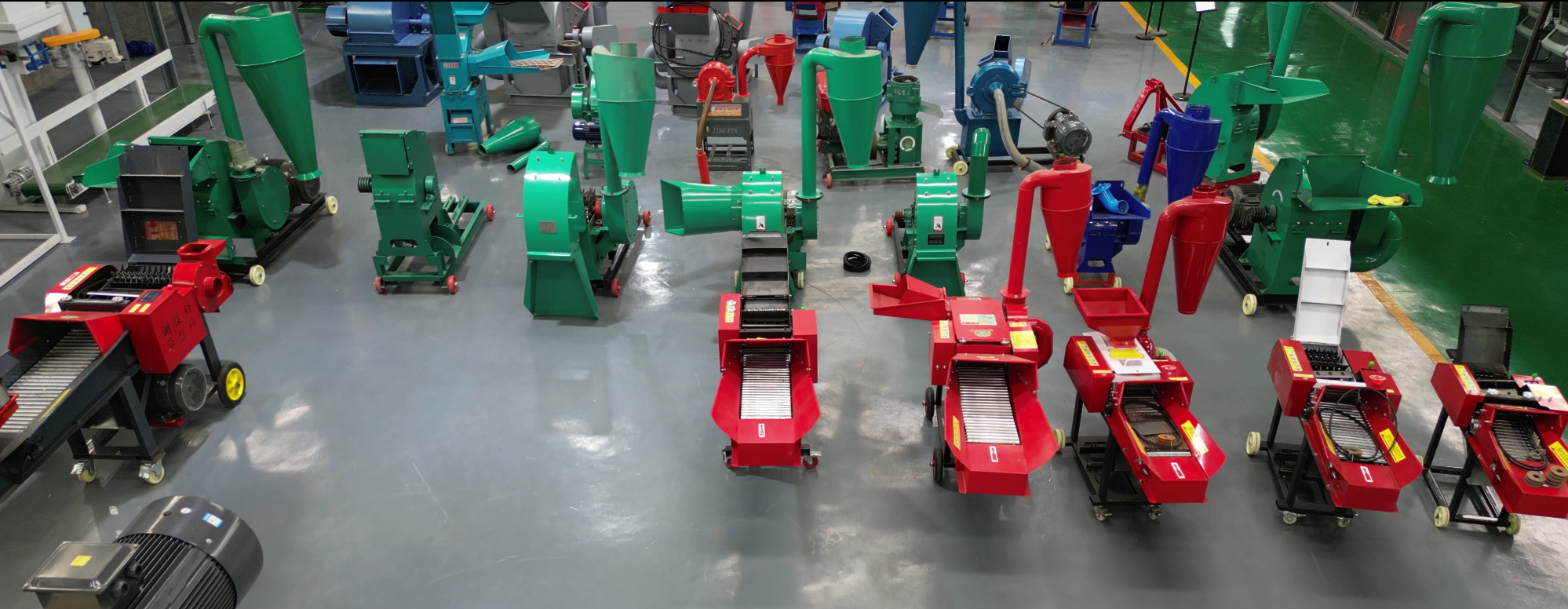
FCN.FM chaff cutter machine — built for reliable performance in livestock and fodder processing applications.
Conclusion
A chaff cutter warranty is only as valuable as the clarity behind it. By confirming the coverage period, covered components, exclusions, parts replacement terms, and support channels before you order, you protect your investment and ensure smoother operations after the machine arrives. Taking the time to align these terms with your supplier is a small step that pays significant dividends over the life of the equipment.
If you are evaluating chaff cutter suppliers and want clear, documented warranty terms alongside reliable machinery, reach out to the FCN.FM team. We are happy to walk through warranty details, machine specifications, and customization options to match your exact requirements.