Maintaining a consistent chaff cutter cleaning schedule is one of the most overlooked yet cost-effective ways to extend the working life of your fodder processing equipment. Whether you operate a small livestock farm or run a commercial feed production line, residue buildup inside the cutting chamber and discharge area accelerates corrosion, dulls blades prematurely, and reduces throughput over time. This guide walks you through exactly what to clean after every use versus what requires weekly attention, with practical steps tailored to electric and diesel-powered chaff cutter machines commonly used in agricultural operations.
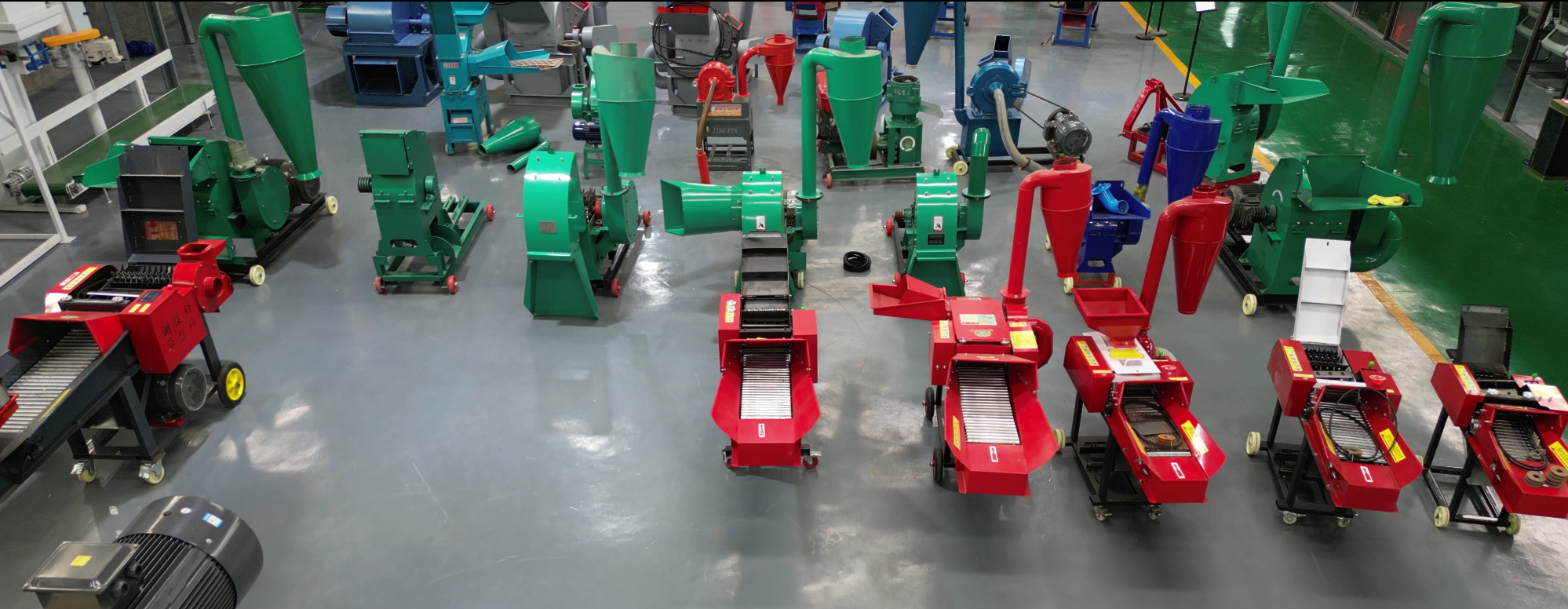
FCN.FM chaff cutter machine — routine cleaning keeps the cutting chamber and discharge area free of corrosive residue.
Why Regular Chaff Cutter Cleaning Matters
Chaff cutters process green fodder, dry straw, hay, and silage — materials that contain moisture, plant sugars, and organic acids. When these residues are left inside the machine after operation, they create an ideal environment for rust formation on steel blades, housing panels, and fasteners. Over weeks, compacted fiber buildup also narrows the discharge path, forcing the motor to work harder and increasing the risk of jamming.
A structured cleaning routine delivers three measurable benefits:
- Extended blade life — Clean blades stay sharper longer, reducing sharpening frequency and replacement costs.
- Consistent throughput — A clear discharge area maintains rated capacity (e.g., 600–800 kg/h on a 4KW vertical chaff cutter model) without power draw spikes.
- Reduced downtime — Preventive cleaning catches loose bolts, worn bearings, and early corrosion before they cause breakdowns during peak feeding seasons.
Daily Cleaning Routine — After Each Use
Daily cleaning takes 10–15 minutes and should become a non-negotiable step before the machine is shut down for the day. The goal is to remove all loose and semi-moist material before it dries and hardens.
Step 1: Disconnect Power and Allow the Machine to Stop Fully
Before any cleaning begins, switch off the motor and disconnect the power supply at the plug or isolator. For diesel engine chaff cutters, shut down the engine and remove the key. Wait until all rotating parts — the flywheel, blades, and feed rollers — come to a complete stop. This is a critical safety step that must never be skipped.
Step 2: Clear the Cutting Chamber
Open the feed hopper cover or access panel and use a stiff-bristled brush to sweep out all chopped material from the cutting chamber floor and around the blade assembly. Pay particular attention to:
- The area directly beneath the blades, where wet fodder tends to settle
- The gap between the fixed blade and the moving blade edge
- Corners where fiber accumulates and compresses over multiple runs
For machines processing wet green fodder or silage, use a damp cloth to wipe down the interior surfaces after brushing. Avoid directing water into bearing housings or electrical connections.
Step 3: Clean the Discharge Area and Chute
The discharge chute is where chopped material exits the machine, and it is the most common site of buildup. Residue here restricts airflow and material flow, causing blockages on the next start-up.
- Remove any packed material from the chute walls using a scraper or flat screwdriver
- Brush the discharge opening and the first 30–50 cm of the exit path
- Check that the discharge flap or deflector (if fitted) moves freely
Step 4: Wipe Down External Surfaces
Wipe the feed hopper, motor housing, and frame with a dry or slightly damp cloth. Remove any spilled fodder from the base and floor around the machine to prevent slip hazards and pest attraction.
Watch the chaff cutter in operation — clean intake and discharge paths are essential for maintaining rated capacity.
Weekly Cleaning Routine — Deeper Maintenance
Weekly cleaning goes beyond surface removal. It addresses hardened deposits, early corrosion, and mechanical wear that daily brushing cannot reach. Set aside 30–45 minutes for this routine.
Deep Cleaning the Cutting Chamber
Once a week, perform a more thorough clean of the cutting chamber:
- Remove the blade cover or access panel completely (refer to your machine's manual for fastener locations)
- Use a wire brush to remove any dried, compacted fiber from the chamber walls and blade mounting plate
- Inspect the chamber floor for rust spots — treat any found with a light application of machine oil or anti-corrosion spray
- Check that the fixed blade gap is within the manufacturer's specified tolerance; adjust if material is not being cut cleanly
Blade Inspection and Cleaning
Blades are the heart of any chaff cutter. Weekly inspection helps you decide whether blades need sharpening or replacement:
- Remove blades according to the manufacturer's instructions
- Clean off all residue with a wire brush and degreasing cloth
- Inspect the cutting edge for nicks, chips, or uneven wear
- Check for rust along the blade body — light surface rust can be removed with fine steel wool and oil
- If the edge is dull or damaged, sharpen or replace before the next operating session
For high-capacity operations running machines such as the 5.5KW vertical chaff cutter (800–1500 kg/h capacity), blade condition directly affects energy consumption per ton processed. A dull blade can increase motor load by 15–20%.
Discharge Housing and Frame
- Inspect the discharge housing interior for corrosion, especially at welded joints and bolt holes
- Check all visible fasteners for tightness — vibration during operation can loosen bolts over time
- Clean the machine frame and legs, removing any fodder debris trapped in structural channels
- Apply a thin coat of oil to exposed steel surfaces if the machine will be idle for several days
Bearing and Lubrication Check
While not strictly a cleaning task, the weekly routine is the right time to check bearing lubrication points. Add grease to grease nipples as specified in your machine's maintenance schedule. Clean off any old, hardened grease before applying fresh lubricant.
How Routine Cleaning Prevents Corrosion and Material Buildup
The relationship between cleaning frequency and equipment longevity is well established in agricultural machinery maintenance. Here is how regular cleaning directly addresses the two primary degradation mechanisms:
Corrosion Prevention
Plant material contains organic acids and moisture. When left in contact with carbon steel surfaces overnight or over a weekend, these compounds initiate electrochemical corrosion. The resulting rust:
- Weakens blade edges and reduces cutting efficiency
- Creates rough surfaces inside the chamber that trap more material, accelerating the cycle
- Compromises structural integrity at welded seams and fastener holes over months
Daily removal of wet residue and weekly application of protective oil interrupt this process before visible rust forms.
Material Buildup Prevention
Fiber from straw, hay, and grass is highly fibrous and tends to wrap around rotating components and pack into corners. Over multiple operating sessions without cleaning:
- Buildup narrows the effective cutting chamber volume, reducing per-pass capacity
- Compacted material hardens and becomes difficult to remove without disassembly
- Wrapped fiber around blade shafts increases bearing load and heat generation
A consistent daily brush-out prevents fiber from reaching the point where it requires aggressive scraping or disassembly to remove.
Cleaning Tools and Supplies Checklist
Keeping the right tools on hand makes the routine faster and more thorough:
| Tool / Supply | Daily Use | Weekly Use |
|---|---|---|
| Stiff-bristled brush | ✓ | ✓ |
| Flat scraper or putty knife | ✓ | ✓ |
| Clean cloths (dry and damp) | ✓ | ✓ |
| Wire brush | — | ✓ |
| Fine steel wool | — | ✓ |
| Machine oil / anti-corrosion spray | — | ✓ |
| Grease gun (for lubrication points) | — | ✓ |
| Screwdriver / spanner set | — | ✓ |
| Safety gloves and eye protection | ✓ | ✓ |
Safety Precautions During Cleaning
Cleaning a chaff cutter involves working near sharp blades and heavy mechanical components. Always follow these safety rules:
- Never insert hands or tools into the cutting chamber while the machine is connected to power
- Always disconnect the power source and wait for full stoppage before opening any panel
- Wear cut-resistant gloves when handling or inspecting blades
- Use eye protection when brushing or scraping to prevent debris from entering the eyes
- Ensure the machine is on stable, level ground before beginning any weekly maintenance that requires panel removal
Conclusion
A disciplined chaff cutter cleaning routine — daily brush-outs of the cutting chamber and discharge area, combined with a weekly deep clean that includes blade inspection and corrosion treatment — is one of the simplest ways to protect your equipment investment. Clean machines cut more efficiently, consume less power, and last significantly longer between major overhauls.
If you are selecting a new chaff cutter or need guidance on maintenance schedules for your specific model and processing volume, the FCN.FM team is available to provide technical recommendations based on your operational requirements. Contact us to discuss the right machine configuration and after-sales support for your farm or feed processing business.
References
- FCN.FM — Chaff Cutter Machine Product Page: https://www.chaffcuttermachine.com/
- FAO — Agricultural Machinery Maintenance Guidelines: https://www.fao.org/
- ISO 4254-1 — Agricultural Machinery Safety Requirements: https://www.iso.org/standard/64949.html