Choosing a Chaff Cutter for a Livestock Farm: A Practical Selection Framework
Selecting the right chaff cutter for livestock farm operations is rarely a matter of picking the largest machine on the catalogue page. The correct choice depends on how much fodder you process each day, how many hours you can realistically dedicate to cutting, whether your material arrives wet or dry, and what power supply and labour you have on hand. A machine that is too small creates a daily bottleneck at the feed bunk; one that is too large ties up capital and sits idle for most of the day. This article walks through a five-step selection framework that maps your farm's actual workload to machine capacity, using FCN.FM's verified 2.8 and 3.8 chaff cutter models as reference points.
Electric chaff cutter processing green fodder for livestock feeding.
Step 1: Quantify Your Daily Fodder Weight
The starting point for any chaff cutter decision is a realistic daily tonnage figure. Many farm managers underestimate this by counting only the fresh weight fed to animals and ignoring the extra material cut for silage packing, bedding, or buffer stock.
To build an accurate number, add together:
- Fresh green fodder cut per day (grass, alfalfa, sorghum, maize stover)
- Dry roughage processed per day (straw, hay, dry stalks)
- Silage material chopped during packing windows
- Any contract or custom cutting done for neighbouring farms
Once you have a total daily weight in kilograms, compare it against machine throughput. FCN.FM's model 2.8 chaff cutter (vertical and horizontal variants) is rated at 600–800 kg/h with a 4KW motor. The model 3.8 vertical chaff cutter steps up to 800–1500 kg/h with a 5.5KW motor. Both are verified to handle wet and dry material.
A farm cutting 500 kg of fodder per day needs well under one hour on the 2.8. A farm processing 1,200 kg per day will need roughly 1.5 hours on the 2.8 or under one hour on the 3.8 — a meaningful difference when labour is scarce.
Step 2: Define Your Processing Window
Capacity figures describe what a machine can do per hour, not what your schedule allows. A dairy farm that must chop fodder twice daily before milking has a very different constraint from a beef operation that cuts once in the morning.
Work backwards from your available window:
| Daily Fodder Load | Available Window | Recommended Model | Estimated Run Time |
|---|---|---|---|
| Up to 500 kg | 1 hour | 2.8 (4KW) | ~45 min at 700 kg/h |
| 500–1,000 kg | 1.5 hours | 2.8 or 3.8 | 45–90 min on 2.8 |
| 1,000–1,500 kg | 1.5 hours | 3.8 (5.5KW) | 45–90 min at 1,150 kg/h |
| 1,500+ kg | 2+ hours or two shifts | 3.8 | ~1.5 hours at 1,150 kg/h |
The table uses the midpoint of each model's rated range. Actual output varies with material type, moisture, and operator feeding rhythm, so treat these as planning figures rather than guarantees.
Step 3: Assess Material Characteristics
Both the 2.8 and 3.8 models are rated for wet and dry material, which covers the majority of livestock fodder. However, the mix of materials on your farm still affects real-world throughput and blade wear.
Wet and Fibrous Material
Green grass, lucerne, and freshly harvested maize stover are heavy and fibrous. They feed smoothly through the cutter but can pack around the blades if fed too aggressively. Expect throughput toward the lower end of the rated range and plan for more frequent blade sharpening.
Dry and Brittle Material
Wheat straw, rice straw, and dry hay cut quickly and cleanly. Throughput often sits toward the upper end of the rated range, but dry material generates more dust — worth considering if the cutter will work in an enclosed shed.
Mixed Loads
Many farms feed a combination of green chop and dry roughage in the same session. Both FCN.FM models handle this without adjustment, but operators should feed material steadily rather than in large bunches to keep the motor load even.
Chaff cutter in operation, processing fodder for livestock feed.
Step 4: Match Available Power and Site Conditions
Power supply is one of the most common sources of buyer regret. The 2.8 requires a 4KW motor supply; the 3.8 requires 5.5KW. Before ordering, confirm:
- Electrical supply stability. A three-phase supply capable of sustaining the rated motor load without frequent tripping is essential for either model.
- Starting current. Electric motors draw a higher current at startup. Your supply should accommodate this surge, particularly if other equipment runs on the same circuit.
- Site layout. The vertical configuration of the 3.8 has a different footprint and feeding height than the horizontal 2.8. Measure your shed or cutting area before choosing.
- Mobility needs. If fodder is cut in several locations around the farm, a smaller, easier-to-relocate unit may suit better than a higher-capacity fixed installation.
If your site has unreliable grid power, discuss alternative power arrangements with the manufacturer before committing to a specification.
Step 5: Factor in Labour and Operator Skill
A chaff cutter is only as productive as the person feeding it. Consistent, steady feeding keeps the motor working near its rated load and delivers output close to the published capacity. Inexperienced operators tend to feed in bursts, which reduces effective throughput and increases motor stress.
When planning labour:
- Assign a trained operator for the cutting session rather than rotating untrained staff.
- Budget time for pre-cutting checks: blade condition, feed tray clearance, and motor connection.
- Allow a short cool-down and cleaning period after each session to extend machine life.
- For higher-capacity operations running the 3.8, consider a two-person setup — one feeding, one handling the cut output — to keep material flowing without stoppage.
Matching Requirements to the 2.8 and 3.8 Models
Bringing the framework together, the two verified FCN.FM models cover a wide range of livestock farm profiles:
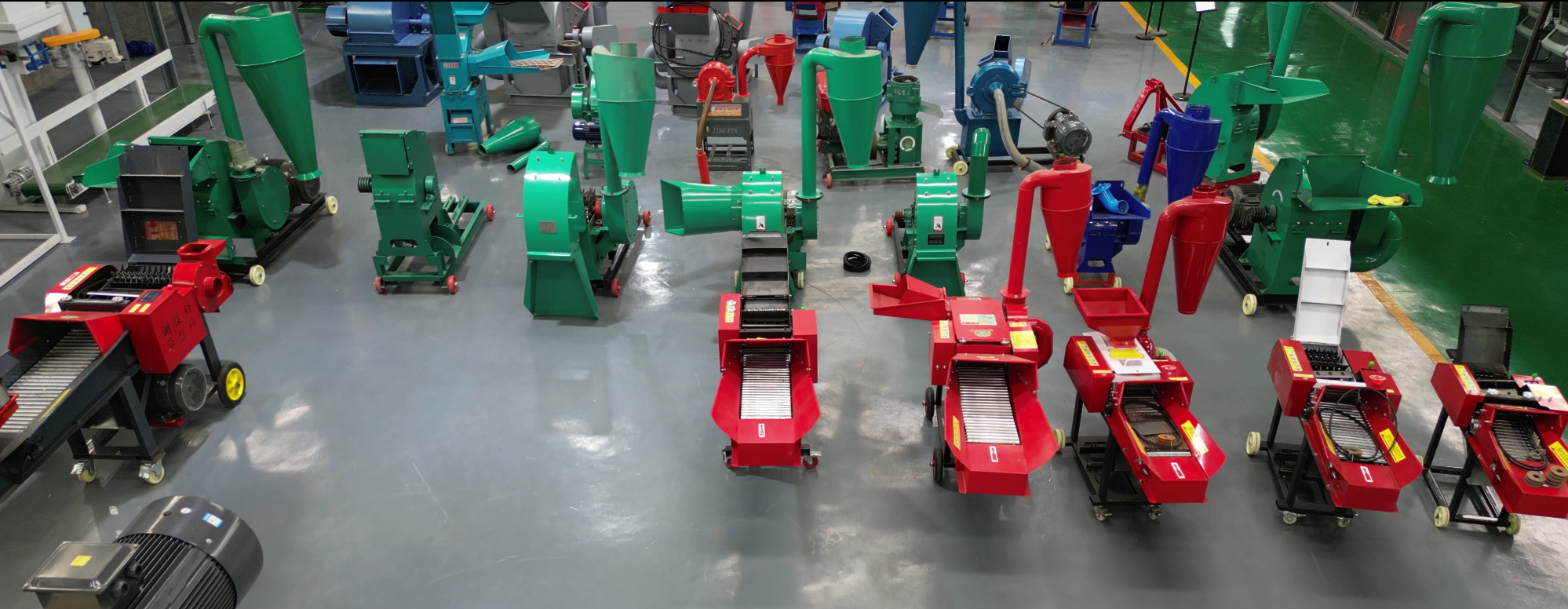
- Model 2.8 (vertical or horizontal), 4KW, 600–800 kg/h — suits small to medium farms with daily fodder loads up to roughly 800 kg, single-operator sessions, and stable three-phase power. The horizontal variant offers a lower feeding height that some operators prefer for green chop.
- Model 3.8 vertical, 5.5KW, 800–1500 kg/h — suits medium to larger farms, commercial fodder cutting, and operations that need to clear 1,000 kg or more within a short window. The higher motor power sustains output when feeding wet, fibrous material.
Both models share the same core strengths: high efficiency, easy operation, and the flexibility to process wet and dry material without configuration changes.
A Note on Cut Length and Feeding Recommendations
Target cut length depends on the species, age, and production stage of your livestock, as well as the ration formulation. Rather than relying on general guidance, refer cut-length targets and feeding recommendations to a qualified livestock nutrition adviser who can advise based on your specific animals and forage analysis. The chaff cutter's role is to deliver consistent, clean-cut material to that specification.
Final Selection Checklist
Before placing an order, confirm the following:
- [ ] Total daily fodder weight (kg) calculated from actual feeding records
- [ ] Available processing window per day (hours)
- [ ] Material mix — wet, dry, or mixed — and seasonal variation
- [ ] Electrical supply capacity at the cutting location
- [ ] Number of trained operators available
- [ ] Floor space and feeding height clearance
- [ ] Spare blade availability and sharpening plan
If your calculated daily load sits near the top of the 2.8's range, or if your processing window is tight, the 3.8 provides headroom that reduces daily pressure and accommodates seasonal peaks.
Conclusion
Choosing a chaff cutter for a livestock farm comes down to matching verified machine capacity against real daily workload, material conditions, power availability, and labour. FCN.FM's model 2.8 (4KW, 600–800 kg/h) and model 3.8 (5.5KW, 800–1500 kg/h) cover the majority of small to medium livestock operations, and both handle wet and dry fodder with straightforward operation. If you are unsure which specification fits your farm, the FCN.FM team can review your daily fodder figures and site conditions and recommend the appropriate model — contact us to discuss your requirements and request a detailed quotation.
References
- FCN.FM Chaff Cutter Machine product pages — https://www.chaffcuttermachine.com/
- FAO, Animal Feed Resources Information System — https://www.fao.org/land-water/water/water-management/en/
- FAO, Silage Making in the Tropics — https://www.fao.org/3/x8486e/x8486e00.htm