The motor is the single most expensive component to replace on any chaff cutter, and in most cases its lifespan is decided long before it fails — by how the machine is loaded, the quality of the supply voltage, and how well the motor can breathe. Consistent chaff cutter motor maintenance does not require advanced technical skill; it requires a short daily routine and an understanding of what actually stresses a 4KW or 5.5KW induction motor. This guide walks through the practical habits that separate a motor lasting three seasons from one lasting ten.
Watch a chaff cutter in normal operation — steady feed rate and consistent motor sound are signs of a healthy machine.
Why Motor Life Depends on Daily Operating Habits
The 4KW and 5.5KW three-phase induction motors used on FCN.FM vertical and horizontal chaff cutter models are designed for continuous duty under rated load. They are not fragile, but they are sensitive to three things: sustained overload, voltage fluctuation, and heat build-up. Each of these accelerates insulation ageing in the stator windings, which is the root cause of most motor failures.
A motor that is regularly run above its rated current, or in a poorly ventilated corner of a shed, can lose years of serviceable life in a single busy season. The good news is that all three stress factors are within the operator's control.
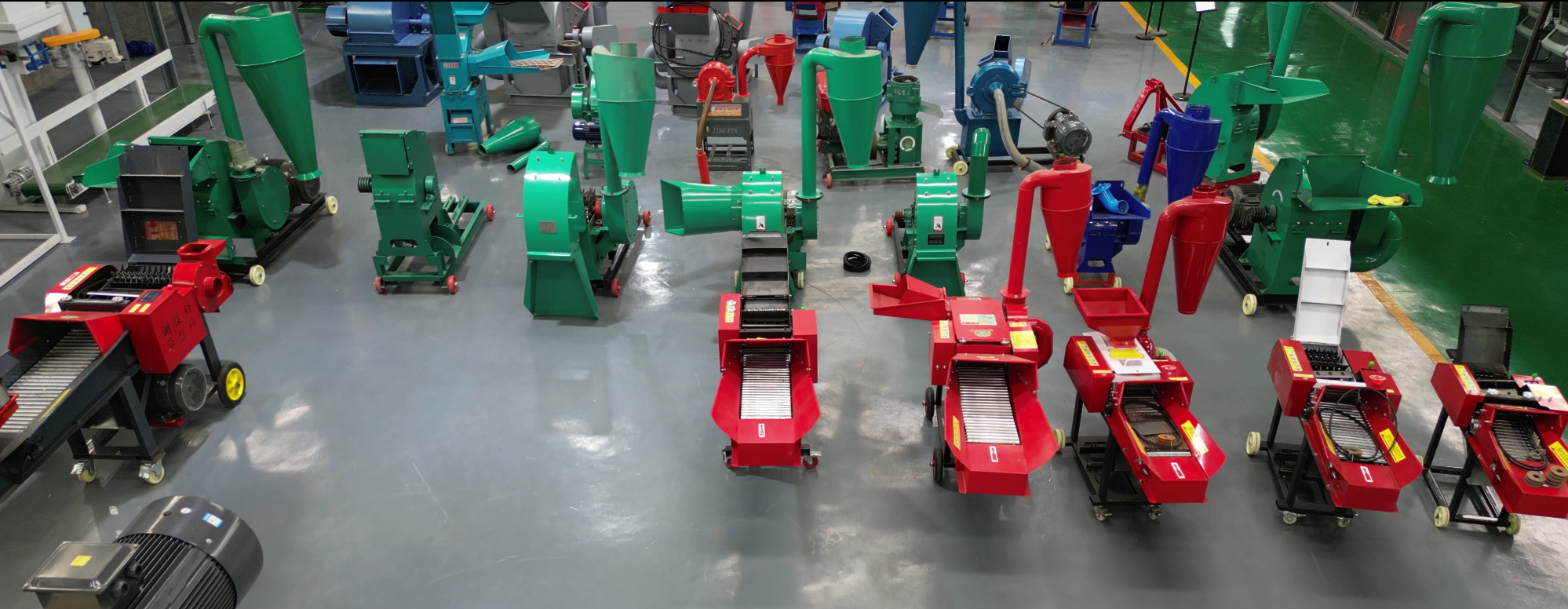
Electric chaff cutter — the motor housing and cooling fins should always be kept clear of dust and debris.
Correct Loading: The Most Important Habit
Match Feed Rate to Rated Capacity
Every chaff cutter has a rated throughput, and exceeding it consistently is the fastest way to shorten motor life. The FCN.FM vertical and horizontal chaff cutter models rated at 4KW deliver a capacity of 600-800kg/h, while the larger 5.5KW vertical model handles 800-1500kg/h. These figures assume wet and dry material in normal condition — dense, wet silage or tangled long straw will push the motor harder at the same feed rate.
Operators should feed material steadily and evenly rather than in large bunches. A useful rule of thumb: if the motor note drops noticeably and stays lower for more than a few seconds, the machine is being overloaded. Back off the feed rate immediately.
Avoid Jamming and Sudden Stops
A jammed cutting chamber forces the motor to draw locked-rotor current, which can be five to seven times the normal running current. Even a jam lasting a few seconds generates significant heat in the windings. To reduce jamming:
- Cut long straw or hay into shorter lengths before feeding where practical.
- Remove stones, wire, and other foreign objects from raw material.
- Never reverse-feed material to clear a blockage while the motor is running.
- Stop the machine completely before clearing the cutting chamber.
Respect the Duty Cycle
Continuous heavy feeding for hours without a pause raises the motor's steady-state temperature. On hot days or with dense material, plan short breaks every 60–90 minutes to let the motor cool. This is especially important for the 5.5KW model when running near the upper end of its 800-1500kg/h capacity.
Voltage Stability and Electrical Protection
Why Voltage Matters
Induction motors are designed to run at their rated voltage. When supply voltage drops, the motor draws more current to produce the same torque, and winding temperature rises sharply. A sustained 10% undervoltage can increase motor current by roughly 11% and raise winding temperature well above design limits. Overvoltage causes a different problem — increased magnetic saturation and additional heating.
In rural areas where supply voltage can fluctuate significantly, this is one of the most common hidden causes of premature motor failure.
Practical Protective Measures
- Install a voltage stabiliser or protective relay rated for the motor's full-load current. A phase-failure and under/over-voltage protector will disconnect the motor automatically when supply conditions fall outside a safe window.
- Use correctly sized supply cable. Long or undersized cable runs cause voltage drop at the machine. Confirm cable cross-section with a qualified electrician based on motor power and distance.
- Check the starter and overload relay settings. The thermal overload in the motor starter should be set to the motor's rated full-load current, not higher. An overload set too high offers no real protection.
- Ensure proper earthing. A good earth protects both the motor and the operator.
Ventilation and Cooling
Keep Cooling Fins Clear
Both the 4KW and 5.5KW motors rely on an external shaft-mounted cooling fan and a finned housing to dissipate heat. If the fins become packed with chaff dust, straw fragments, or grease, the motor cannot shed heat efficiently and will run hotter every hour it operates.
Make it part of the daily shutdown routine to brush or blow dust from the motor housing and confirm that the cooling fan cover is not blocked.
Site the Machine Sensibly
Where the chaff cutter is placed matters. Avoid:
- Enclosed corners with no airflow.
- Positions directly beside other heat-generating equipment.
- Locations where the motor is exposed to driving rain or direct sun for long periods.
A shaded, open-sided shed with natural cross-ventilation is ideal. If the machine must operate in a hot, enclosed space, consider a small extraction fan to move air across the motor.
Warning Signs of Motor Stress
Operators who know what to look and listen for can catch problems before they become failures. The table below summarises the most common indicators and what they typically mean.
| Warning Sign | Likely Cause | Action |
|---|---|---|
| Motor housing too hot to touch (beyond warm) | Overload, poor ventilation, or low voltage | Reduce feed rate, clean fins, check supply voltage |
| Burning or varnish smell | Windings overheating | Stop immediately, investigate load and ventilation |
| Loud humming without normal cutting sound | Single-phasing or severe undervoltage | Stop, check all three phases and connections |
| Frequent tripping of overload relay | Sustained overload or faulty relay setting | Review feed rate and starter settings |
| Reduced cutting speed under load | Worn blades or low voltage | Sharpen or replace blades, check voltage |
| Vibration or unusual noise from motor | Bearing wear or loose mounting | Inspect bearings and mounting bolts |
Any two of these signs appearing together should be treated as a stop-and-inspect situation, not a keep-working situation.
Simple Preventive Habits That Extend Motor Life
The most effective chaff cutter motor maintenance programme is built from small, consistent actions rather than occasional major overhauls. The following checklist can be completed in under ten minutes at the end of each working day.
Daily
- Brush dust and chaff from motor housing and cooling fan cover.
- Listen to the motor at start-up and under load — note any change in sound.
- Confirm the overload relay has not tripped.
- Check that the power cable and plug are undamaged.
Weekly
- Check motor mounting bolts for tightness.
- Inspect the power supply cable for cuts, crushing, or heat damage.
- Verify that the starter enclosure is dry and free of dust.
- Confirm the voltage at the machine matches the motor rating under load.
Monthly / Seasonally
- Have a qualified electrician measure insulation resistance if the machine operates in a humid environment.
- Check motor bearings for noise or roughness.
- Review the overload relay setting against the motor's rated current.
- Inspect and sharpen or replace cutting blades — dull blades force the motor to work harder for the same output.
Blade condition deserves special mention. Dull or damaged blades increase the torque required to cut each stalk, which raises motor current even when the feed rate is unchanged. Keeping blades sharp is one of the simplest ways to reduce motor stress and is covered in more detail in our guide on how to sharpen chaff cutter blades.
Working with 4KW vs 5.5KW Models: What Changes
The principles above apply to both motor sizes, but the larger 5.5KW vertical chaff cutter model — with its 800-1500kg/h capacity — is more likely to be pushed near its limits during peak season. Operators of the 5.5KW machine should be especially disciplined about feed rate and cooling breaks. The 4KW vertical and horizontal models, rated at 600-800kg/h, are more forgiving at moderate feed rates but equally vulnerable to voltage problems and blocked ventilation.
Whichever model you operate, the exact full-load current and recommended overload relay setting should be confirmed against the motor nameplate or with the manufacturer, as these values vary by voltage and frequency configuration.
Conclusion
A chaff cutter motor rarely fails without warning. Overload, unstable voltage, and blocked ventilation leave a trail of small signals — heat, sound, smell, and tripping — long before a winding burns out. Operators who feed steadily within rated capacity, protect the supply with a stabiliser and correctly set overload relay, and keep the motor clean and cool will consistently get the full design life from their machine.
If you are unsure about the correct overload settings, voltage protection, or spare parts for your 4KW or 5.5KW chaff cutter, the FCN.FM technical team can provide model-specific guidance. Contact us with your machine model and local supply conditions, and we will help you set up a simple maintenance routine that protects your investment.
References
- FCN.FM — Chaff Cutter Machine product specifications: https://www.chaffcuttermachine.com/
- IEC — International Electrotechnical Commission, rotating electrical machines standards: https://www.iec.ch/
- NEMA — National Electrical Manufacturers Association, motor standards and application guides: https://www.nema.org/