When a livestock farm, feedlot, or commercial fodder operation processes hundreds of kilograms of straw, hay, or green fodder every day, a light-duty household cutter simply will not survive. Continuous, high-volume chopping demands a machine engineered around a reinforced frame, industrial-grade blades, and a drive system built for sustained load. That is exactly what defines a heavy duty chaff cutter — and understanding these features before requesting a quote is the difference between a machine that lasts a season and one that runs reliably for years.
This guide breaks down the frame, blade, and drive characteristics that separate heavy-duty machines from standard models, and shows how these features translate into real throughput using FCN.FM's higher-capacity 3.8 vertical chaff cutter as a reference point.
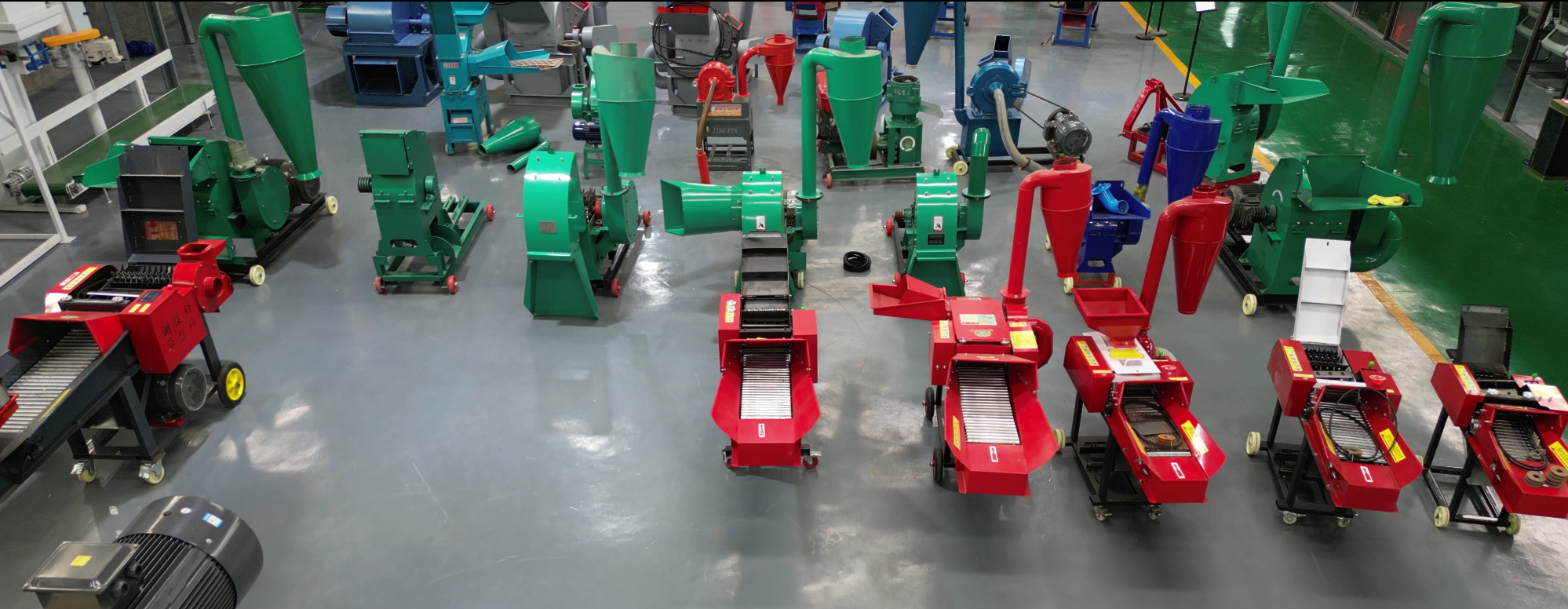
Heavy-duty chaff cutter engineered for continuous commercial operation
What Makes a Chaff Cutter "Heavy Duty"?
The term heavy duty is used loosely across the market, but for commercial buyers it should refer to three specific engineering areas: structural frame, cutting assembly, and power transmission. A machine that is heavy duty in only one of these areas will develop problems under continuous load.
Frame and Structural Integrity
A commercial chaff cutter must resist vibration, torsional stress, and repeated impact loading. Key frame features to verify include:
- Thick-walled steel tubing or channel steel for the main chassis, rather than thin sheet metal
- Reinforced bearing housings that keep shaft alignment stable under load
- A wide, stable base or mounting feet to prevent movement during operation
- Corrosion-resistant coating for wet fodder and outdoor use
Machines designed for continuous operation typically use a welded steel frame with gusset reinforcement at high-stress joints. Lighter household models often use bolted thin-gauge panels that loosen over time.
Cutting Assembly and Blade Quality
The blades are the wear item that determines both cut quality and long-term operating cost. In a heavy duty chaff cutter, look for:
- High-carbon or alloy steel blades with heat treatment for edge retention
- Replaceable blade design so edges can be swapped without replacing the whole rotor
- Multiple blade configuration to distribute wear and maintain consistent cut length
- Adjustable cutting length to match different fodder types and animal requirements
Blade material and hardness directly affect how often sharpening or replacement is needed. For operations running several hours per day, blade life is a major cost factor and should be discussed with the manufacturer before purchase.
Drive System and Power Transmission
The drive system transfers motor power to the cutting rotor. Heavy-duty machines generally use:
- Belt-driven transmission with appropriately sized pulleys for torque multiplication
- Sealed bearings rated for continuous duty
- A motor sized with headroom above the average load to handle momentary surges when dense material enters the chamber
Undersized motors are the most common cause of overheating and premature failure in commercial settings. Matching motor power to actual throughput requirements is essential.
Throughput and Capacity: Matching the Machine to Your Operation
Capacity is the specification most buyers focus on first, and rightly so. FCN.FM's chaff cutter line offers distinct capacity tiers to match different scales of operation:
| Model | Configuration | Motor Power | Capacity | Material Handling |
|---|---|---|---|---|
| 2.8 Vertical | Vertical chaff cutter machine | 4KW | 600-800kg/h | Wet and dry material |
| 2.8 Horizontal | Horizontal chaff cutter machine | 4KW | 600-800kg/h | Wet and dry material |
| 3.8 Vertical | Vertical chaff cutter | 5.5KW | 800-1500kg/h | Wet and dry material |
The 3.8 vertical chaff cutter is FCN.FM's higher-capacity option, delivering 800-1500kg/h with a 5.5KW motor. This places it firmly in the commercial and semi-industrial category, suitable for operations that need continuous output across a full working shift.
Why the 3.8 Model Suits Commercial Use
The jump from 4KW to 5.5KW is not just a larger motor — it reflects a heavier rotor, stronger drive components, and a cutting chamber designed to sustain higher feed rates without stalling. For a feedlot or commercial fodder business processing wet silage, dry straw, or mixed rations, this headroom means:
- Consistent output even with dense or fibrous material
- Reduced risk of motor overload during peak feeding
- The ability to run longer continuous sessions
Chaff cutter in operation — observe feed rate, cut consistency, and stability under load
Wet vs. Dry Material: A Critical Selection Factor
Not all chaff cutters handle both wet and dry fodder equally well. Commercial operations often need flexibility — green fodder in the growing season, dry hay and straw in winter, and silage year-round.
FCN.FM's chaff cutter models, including the 3.8 vertical unit, are designed to process both wet and dry material. This dual capability matters commercially because:
- Wet fodder (fresh grass, silage) is heavier and more fibrous, demanding more torque per kilogram
- Dry material (straw, hay) is lighter but can be abrasive and dusty, stressing blade edges differently
- A machine rated for both avoids the need for separate equipment lines
When comparing suppliers, always confirm that wet-and-dry capability is verified for the specific model rather than assumed across a product range.
Key Selection Criteria for Commercial Buyers
Before requesting a quote, evaluate potential suppliers against these practical criteria:
- Verified capacity ratings — ask whether the stated kg/h figure is at continuous load or peak
- Motor power and duty rating — confirm the motor is sized for your actual working hours per day
- Blade specification — material, hardness, and replacement availability
- Frame construction — steel thickness, welding quality, and bearing housing design
- Wet/dry versatility — confirmed for the exact model, not just the product line
- Spare parts support — blade and belt availability in your region
- OEM/ODM options — whether the manufacturer can adjust configuration to your requirements
FCN.FM manufactures its chaff cutters in-house and supports OEM and ODM customization, which allows commercial buyers to specify motor configuration, capacity targets, and branding requirements for their market.
Total Cost of Ownership Considerations
For commercial operations, the purchase price is only part of the equation. A heavy duty chaff cutter should be evaluated on:
- Blade replacement frequency and cost per set
- Energy consumption relative to throughput (kWh per tonne processed)
- Downtime risk from drive or bearing failure
- Maintenance intervals and ease of access to wear parts
A machine with a higher-capacity motor like the 5.5KW unit in the 3.8 model may consume more power per hour, but its greater throughput often results in lower energy cost per tonne of fodder processed — a key metric for high-volume operations.
Conclusion
A heavy duty chaff cutter is defined by the integration of a reinforced frame, industrial-grade blades, and a properly sized drive system — not by marketing language. For commercial fodder processing, the FCN.FM 3.8 vertical chaff cutter, with its 5.5KW motor and 800-1500kg/h capacity across both wet and dry material, represents the higher-capacity tier in the company's range and is engineered for the continuous demands of livestock farms and feed processing businesses.
If you are evaluating heavy-duty chaff cutter options for your operation, FCN.FM can provide detailed specifications, model comparisons, and OEM/ODM configuration options to match your exact throughput and material requirements. Contact the FCN.FM team to discuss the right machine configuration for your commercial application.
References
- FCN.FM Chaff Cutter Machine product pages — https://www.chaffcuttermachine.com/
- FCN.FM Heavy Duty Chaff Cutter product information — https://www.chaffcuttermachine.com/heavy-duty-chaff-cutter
- FAO Animal Feed Resources Information System (fodder processing context) — https://www.feedipedia.org/