Small farms, homesteads and field-based livestock operations often need a compact, easy-to-move machine rather than a heavy stationary unit. A portable chaff cutter fills that gap: it is light enough to relocate between sheds, paddocks or field edges, yet powerful enough to chop grass, straw and hay into consistent fodder for daily feeding. For smallholders processing a few hundred kilograms of forage per day, choosing the right portable model comes down to three practical factors — weight and mobility, power source, and matching cutting capacity to the actual daily workload.
This guide walks through what makes a chaff cutter genuinely portable, how to compare electric and engine-driven options, and which FCN.FM 4KW models are best suited to mobile or small-batch fodder cutting.
What Makes a Chaff Cutter Truly Portable?
Not every compact-looking machine is practical to move. True portability in a chaff cutter is a combination of physical design and operating requirements.
Weight and Frame Design
A portable unit should have a compact footprint, a balanced frame and, ideally, wheels or handles so one or two people can reposition it without a forklift. Vertical-drum designs tend to have a smaller floor footprint than horizontal models, which matters when the machine needs to fit into a narrow shed corner or the back of a farm utility vehicle.
Power Source Flexibility
Portability is heavily influenced by how the machine is powered:
- Electric motor models are clean, quiet and low-maintenance, but require access to a suitable power supply (matching the motor's voltage and phase requirements) wherever the machine is used.
- Engine-driven models offer freedom from fixed power, making them useful in open fields, but add weight, fuel handling and maintenance.
For smallholders who cut fodder near a shed or barn with reliable electricity, an electric portable chaff cutter is usually the simpler and more economical choice.
Throughput Matched to Daily Needs
A portable machine does not need industrial-scale capacity. Oversizing wastes money and makes the unit heavier and harder to move. The right portable chaff cutter should comfortably cover the farm's daily fodder volume with some headroom, without forcing the operator to run the machine for hours at a time.
FCN.FM 4KW Models Suited to Mobile and Small-Batch Cutting
FCN.FM manufactures chaff cutters in several configurations. Two 4KW models in the FCN.FM range are particularly well suited to small farms and mobile or small-batch fodder cutting, because they combine a moderate motor size with a practical throughput for daily farm use.
| Model | Configuration | Motor Power | Capacity | Notes |
|---|---|---|---|---|
| Vertical chaff cutter machine (Model 2.8) | Vertical drum | 4KW | 600–800 kg/h | High efficiency, easy operation, wet and dry material available |
| Horizontal chaff cutter machine (Model 2.8) | Horizontal feed | 4KW | 600–800 kg/h | High efficiency, easy operation, wet and dry material available |
Both 4KW models share the same motor power and capacity range, so the choice between them comes down to layout and feeding style:
- Vertical chaff cutter machine (Model 2.8): The vertical drum arrangement gives a compact footprint and straightforward top-feeding of material. It is a strong option where floor space is limited and the machine may be moved between work areas.
- Horizontal chaff cutter machine (Model 2.8): The horizontal feed design suits operators who prefer to feed longer material such as straw or hay in a continuous flow. It is equally rated at 600–800 kg/h on a 4KW motor.
Both models are rated to handle wet and dry material, which is important for small farms that may cut fresh green fodder one day and drier straw or hay the next.
For farms whose workload has outgrown the 4KW class, FCN.FM also offers a larger vertical model:
- Vertical chaff cutter (Model 3.8): 5.5KW motor, 800–1500 kg/h capacity, high efficiency, easy operation, wet and dry material available.
This 5.5KW unit is better suited to a fixed position with a higher daily throughput rather than frequent relocation, so it is generally a step up from the portable 4KW class.
Electric vs Engine-Driven Portable Chaff Cutters
One of the most common decisions small-farm buyers face is whether to choose an electric or engine-driven portable chaff cutter. Each has clear trade-offs.
Electric Portable Chaff Cutters
Advantages
- Lower running cost per hour where electricity is available.
- Quieter operation, which matters near housing or in confined sheds.
- Less routine maintenance — no fuel, oil changes or engine servicing.
- Cleaner operation with no exhaust, suitable for indoor or covered use.
Considerations
- Requires a power supply matched to the motor's voltage and phase requirements at the point of use.
- Extension leads and site wiring must be rated for the motor load; confirm electrical requirements with the manufacturer before purchase.
For the FCN.FM 4KW models, buyers should confirm the exact voltage and phase configuration suited to their local supply when requesting a quote.
Engine-Driven Portable Chaff Cutters
Advantages
- Complete independence from fixed power, useful in open fields or remote paddocks.
- Can be relocated anywhere on the farm without cabling.
Considerations
- Adds weight, which reduces portability.
- Requires fuel storage, refuelling and engine maintenance.
- Higher noise and exhaust, generally better for outdoor use.
Engine-driven configurations are available on request through FCN.FM's OEM and ODM customization service, where power systems can be specified to match the buyer's operating conditions.
How to Choose the Right Portable Chaff Cutter for Your Farm
Use the following checklist to narrow down the right model before requesting a quote:
- Estimate daily fodder volume. Add up the kilograms of grass, straw or hay cut per day. A 4KW model rated at 600–800 kg/h covers most small-farm daily needs in a short operating window.
- Check your power supply. Confirm whether reliable electricity is available where the machine will be used, and at what voltage and phase.
- Assess material type. If you process both fresh green fodder and dry straw or hay, choose a model rated for wet and dry material — both FCN.FM 4KW models meet this requirement.
- Consider layout and feeding style. A vertical drum suits tight spaces and top-feeding; a horizontal feed suits continuous feeding of long straw and hay.
- Plan for mobility. Decide how often the machine will be moved and whether wheels, handles or a vehicle will be used to relocate it.
- Confirm blades and spare parts. Cutting blades are wear items; check availability of replacement chaff cutter blades and recommended maintenance intervals.
Operating and Maintenance Tips for Small-Farm Users
Getting consistent performance from a portable chaff cutter depends on a few simple habits:
- Feed evenly. Avoid forcing large bundles into the feed opening; steady, even feeding produces a more uniform cut and reduces strain on the motor.
- Match material to the machine. Both FCN.FM 4KW models handle wet and dry material, but very fibrous or woody material should be checked against the manufacturer's guidance.
- Inspect blades regularly. Dull blades reduce cutting efficiency and increase motor load. Keep spare chaff cutter blades on hand and follow the manufacturer's sharpening or replacement guidance.
- Keep the machine clean. Remove residual fodder after use, especially when processing wet material, to prevent build-up and corrosion.
- Follow electrical safety. For electric models, ensure cables, plugs and any site wiring are rated for the motor load and protected from moisture.
FCN.FM chaff cutter in operation — see cutting action and material flow.
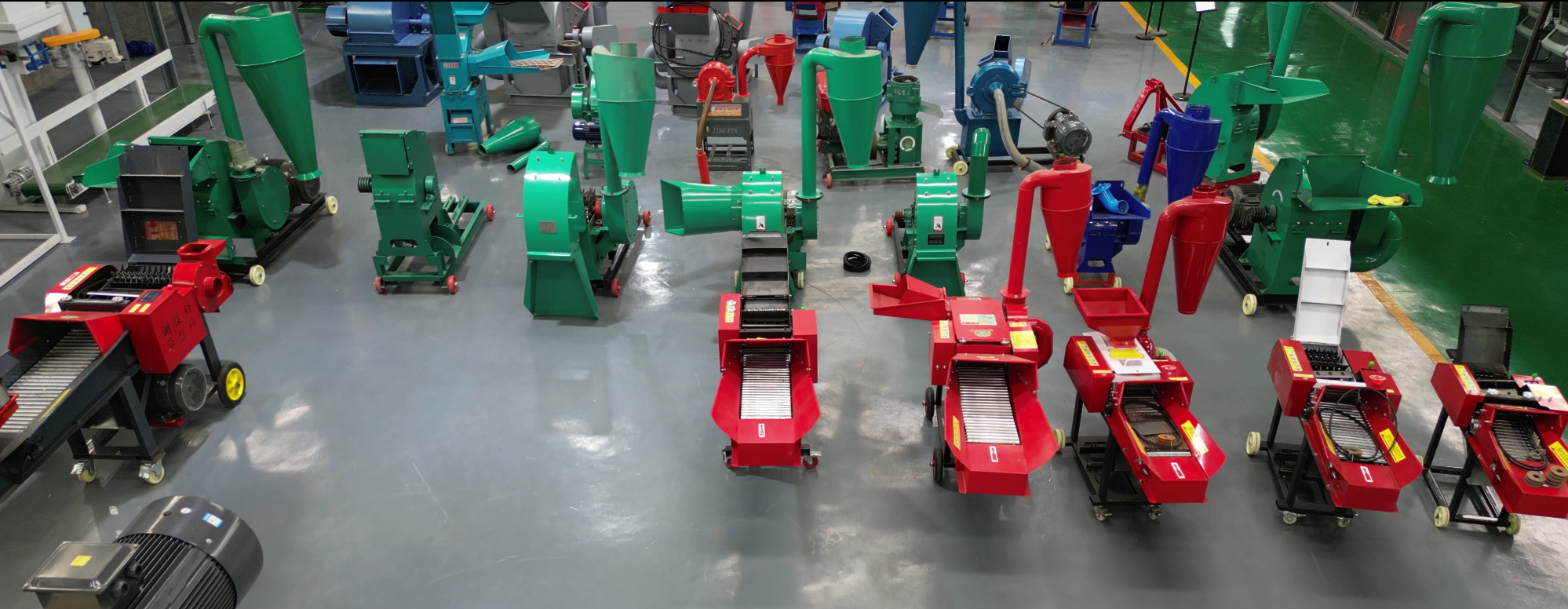
FCN.FM chaff cutter — compact configuration suited to small-farm fodder cutting.
Conclusion
For smallholders and field-based livestock operations, a portable chaff cutter is about matching three things: a compact, movable frame, a power source that suits the farm, and a capacity that covers daily fodder needs without oversizing. The FCN.FM 4KW models — the Vertical chaff cutter machine (Model 2.8) and Horizontal chaff cutter machine (Model 2.8), both rated at 600–800 kg/h and capable of wet and dry material — are practical options for mobile and small-batch cutting. Where daily volumes are higher, the 5.5KW Vertical chaff cutter (Model 3.8) at 800–1500 kg/h offers a step up in throughput.
If you are evaluating a portable chaff cutter for your farm or for distribution, FCN.FM can help you compare configurations, confirm electrical or engine options, and arrange OEM or ODM customization to match your requirements. Contact the FCN.FM team with your daily fodder volume, material type and power supply details to receive a tailored model recommendation and quote.
References
- FCN.FM — Chaff Cutter Machine product information: https://www.chaffcuttermachine.com/
- FCN.FM — Chaff cutter working video: https://www.chaffcuttermachine.com/usr/uploads/seogeo/202611/de96c9f4d98a5745390d0b7f6fbd4cdf.mp4