How to Evaluate a Chaff Cutter Manufacturer Before Ordering
Choosing the right chaff cutter manufacturer is one of the most important decisions an importer, distributor, or large-scale farm operator will make when sourcing fodder processing equipment. A well-built machine can run reliably for years, while a poorly manufactured unit leads to downtime, spare parts headaches, and unhappy end customers. Before you commit to an order — especially a container-load order from an overseas supplier — it pays to evaluate the manufacturer systematically. This guide walks you through the practical steps: requesting factory evidence, reviewing model specifications, verifying material quality, checking inspection records, and securing written service terms.
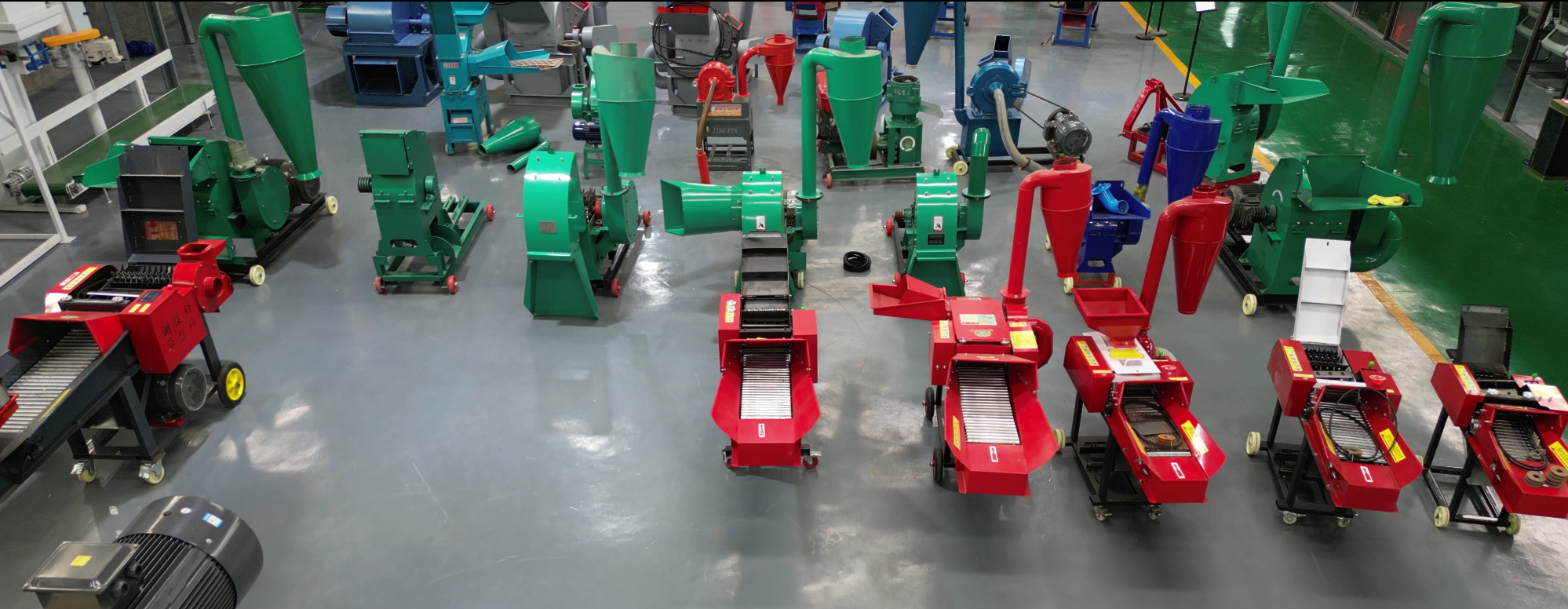
A well-built chaff cutter should show clean welds, consistent paint, and clearly labelled motor and capacity ratings.
Why Manufacturer Evaluation Matters More Than Price
Many buyers focus on unit price and forget that the real cost of a chaff cutter includes shipping, customs duties, installation, spare parts, and downtime. A manufacturer who cuts corners on blade steel, motor windings, or gearbox tolerances may offer a lower quote — but the total cost of ownership over three to five years can be significantly higher.
Evaluating the manufacturer before ordering helps you:
- Avoid quality disputes after the goods arrive
- Confirm the machine suits your local electrical supply and raw material conditions
- Establish clear warranty and after-sales terms in writing
- Build a long-term supply relationship rather than a one-off transaction
Step 1: Request Factory Evidence
A legitimate chaff cutter manufacturer should be able to provide verifiable proof of their production capability. Ask for the following documents before discussing pricing in detail:
Business Licence and Export Credentials
Request a copy of the company's business licence, export licence, and any relevant customs registration. This confirms the supplier is a registered manufacturer rather than a trading intermediary.
Factory Photos and Video Walkthrough
Ask for recent photos of the production floor, welding stations, assembly lines, and finished goods warehouse. A live video call or recorded factory tour is even better — it shows the actual working environment and the scale of operations.
Watch the chaff cutter in operation to assess cutting consistency, vibration levels, and discharge flow before placing an order.
Existing Customer References
A confident manufacturer will share references from overseas distributors or farm cooperatives in markets similar to yours. Follow up with at least one reference to ask about delivery reliability and after-sales responsiveness.
Step 2: Review Model Specifications in Detail
Once you have confirmed the manufacturer is genuine, the next step is to match their machine models to your actual workload. Do not accept vague capacity claims — ask for a written specification sheet for each model under consideration.
Compare Capacity and Power Ratings
Below is a comparison of typical chaff cutter models offered by established manufacturers. Use this as a benchmark when reviewing quotes:
| Model | Type | Motor Power | Capacity | Material Compatibility |
|---|---|---|---|---|
| 2.8 Vertical | Vertical chaff cutter | 4KW | 600-800kg/h | Wet and dry material |
| 2.8 Horizontal | Horizontal chaff cutter | 4KW | 600-800kg/h | Wet and dry material |
| 3.8 Vertical | Vertical chaff cutter | 5.5KW | 800-1500kg/h | Wet and dry material |
All three models are designed for high efficiency and easy operation, handling both wet and dry fodder. When comparing quotes from different suppliers, make sure the motor power and capacity figures are measured under the same conditions — some manufacturers quote peak capacity with dry straw, while others quote average throughput with green fodder.
Confirm Cutting Length Options
Ask how many cutting length settings the machine offers and what the minimum and maximum lengths are. Livestock farmers feeding dairy cattle typically need shorter chop lengths (10-20mm), while beef or sheep operations may prefer longer fibre. Confirm that the blade adjustment mechanism is straightforward and does not require special tools.
Verify Electrical Compatibility
Provide the manufacturer with your local voltage, frequency, and phase requirements (e.g., 220V/50Hz single-phase or 380V/50Hz three-phase). Confirm in writing that the motor will be wound and wired to match your supply before shipment.
Step 3: Verify Material Quality and Build Standards
The durability of a chaff cutter depends heavily on the materials used in critical components. Ask the manufacturer to specify:
- Blade material: High-carbon steel or alloy steel blades hold an edge longer and resist chipping when processing tough straw or sugarcane tops.
- Frame and housing: Look for thick steel plate construction with reinforced welds at stress points.
- Gearbox and bearings: Sealed, grease-lubricated bearings and a cast-iron or steel gearbox housing indicate a machine built for continuous daily use.
- Feed roller and conveyor: Rubber-coated or toothed rollers grip wet material more effectively than smooth steel rollers.
If possible, request a material test report or a sample cutting video showing the machine processing material similar to what your customers will use — green grass, dry wheat straw, maize stover, or wet silage.
Step 4: Check Inspection and Quality Control Records
A professional manufacturer will have a documented quality control process. Before finalising your order, ask:
- Is each machine tested under load before dispatch?
- Can they provide a pre-shipment inspection report or video for your specific order?
- Do they offer third-party inspection (e.g., SGS, Bureau Veritas) if required by your import regulations?
- What is the accepted defect rate and how are warranty claims handled?
Machines that are run-tested before packing are far less likely to arrive with motor faults, blade misalignment, or gearbox leaks.
Step 5: Secure Written Service and Warranty Terms
Verbal promises are not enough when dealing with international suppliers. Insist on written terms covering:
- Warranty period: Typically 12 months on the main machine, with consumable parts (blades, belts) covered for a shorter period.
- Spare parts availability: Confirm that blades, belts, bearings, and motor components will be available for at least five years after purchase.
- Technical support: Ask whether the manufacturer provides operation manuals in your language, video troubleshooting guides, and remote technical assistance.
- Delivery terms: Clarify Incoterms (FOB, CIF, or EXW), lead time, and payment schedule.
Step 6: Use a Structured Inquiry Template
To get accurate quotes and avoid back-and-forth emails, send the manufacturer a structured inquiry that covers all the key variables. Use the template below:
Chaff Cutter Inquiry Template
- Destination country and port: _
- Daily workload (hours/day and kg/day): _
- Primary raw material and condition (green/dry, type): _
- Required cutting length range: _
- Local electrical supply (voltage/phase/frequency): _
- Preferred power source (electric/diesel/tractor PTO): _
- Required delivery terms (FOB/CIF/EXW): _
- Target order quantity: _
- Any branding or OEM requirements: _
A manufacturer who responds to this template with detailed, specific answers — rather than a generic price list — demonstrates the technical competence and customer focus you need in a long-term supply partner.
Red Flags to Watch For
Be cautious if a chaff cutter manufacturer:
- Refuses to provide factory photos, video, or customer references
- Quotes prices significantly below market without explaining the difference
- Cannot specify blade material, motor brand, or gearbox type
- Will not confirm electrical compatibility in writing
- Offers no warranty or vague "lifetime guarantee" without written terms
- Has no export experience or cannot provide shipping documentation from previous orders
Conclusion
Evaluating a chaff cutter manufacturer before ordering takes a little extra time, but it protects your investment and your reputation with end customers. By requesting factory evidence, comparing detailed specifications, verifying material quality, checking inspection records, and securing written service terms, you can source equipment with confidence.
At FCN.FM, we welcome buyers who ask detailed questions. As a manufacturer with our own production facility, we provide full specification sheets, working videos, OEM/ODM customisation, and clear export documentation. If you are preparing a sourcing enquiry, send us your completed inquiry template and our team will respond with model recommendations, pricing, and delivery options tailored to your market.
References
- FCN.FM Chaff Cutter Machine product pages: https://www.chaffcuttermachine.com
- FCN.FM Chaff cutter working video: https://www.chaffcuttermachine.com/usr/uploads/seogeo/202611/de96c9f4d98a5745390d0b7f6fbd4cdf.mp4
- FCN.FM Chaff cutter product image: https://www.chaffcuttermachine.com/usr/uploads/seogeo/202611/280a226de5e885c6cda457b3e5bd3050.png