Ordering the wrong chaff cutter spare parts is one of the most common — and most expensive — mistakes livestock farms and feed processors make. A blade that is a few millimetres off in hole spacing, a rotor that is balanced for a different motor, or a bearing sized for another frame can leave a machine sitting idle for weeks while a replacement is shipped. The good news is that avoiding this problem does not require engineering training. It requires a clear, repeatable process for identifying what you actually need before you place an order. This guide walks through that process step by step, using real examples from the FCN.FM chaff cutter range.
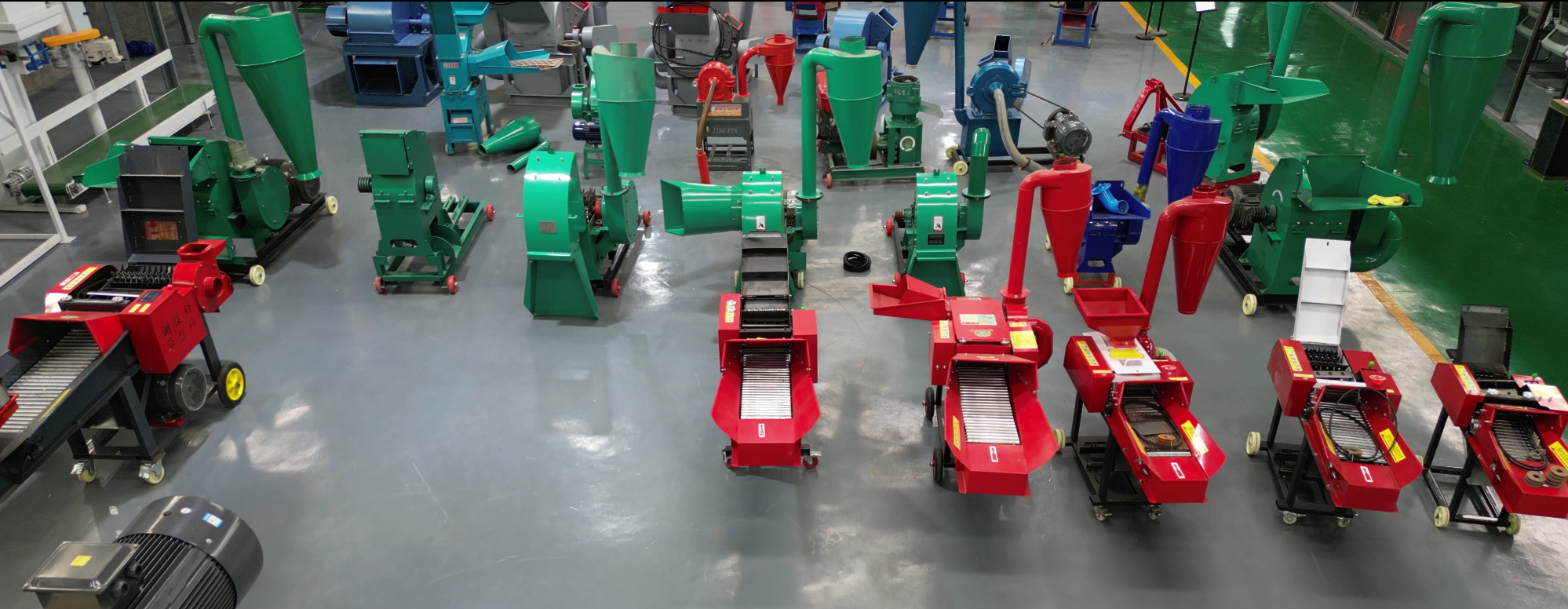
Chaff cutter machines are workhorses on livestock farms — keeping genuine spare parts on hand prevents costly downtime.
Why Part Identification Matters More Than Part Ordering
Many buyers assume that if two machines look similar, their parts are interchangeable. This is rarely true. Even within a single manufacturer's catalogue, models that share a nameplate number can differ in blade geometry, rotor diameter, bearing size, belt length, or motor mounting.
Take the FCN.FM range as an example. The company produces both a vertical chaff cutter machine (model 2.8) and a horizontal chaff cutter machine (model 2.8). Both use a 4KW motor and deliver a capacity of 600-800kg/h, and both are rated for wet and dry material. On paper they look nearly identical. In practice, the cutting chamber orientation, blade mounting, and discharge path are different. Assuming that a blade set for one will fit the other is a gamble.
The same caution applies across the model range. The vertical chaff cutter (model 3.8) steps up to a 5.5KW motor and a capacity of 800-1500kg/h. Its rotor, blades, and bearings are engineered for that higher throughput and are not interchangeable with the 2.8 series.
Step 1: Read the Machine Nameplate
Every FCN.FM chaff cutter carries a nameplate or identification plate fixed to the frame. This plate is the single most important source of information when ordering spares. Before contacting a supplier, locate the plate and record the following:
- Model number (for example, 2.8 or 3.8)
- Serial number, if present — this lets the manufacturer trace the exact production batch
- Rated motor power (for example, 4KW or 5.5KW)
- Rated capacity (for example, 600-800kg/h)
- Manufacturing date or batch code, where shown
- Voltage and frequency of the motor (for example, 380V/50Hz — confirm on your own plate)
Photograph the nameplate clearly. A sharp, well-lit photo is often more useful than a typed description, because it captures details the operator may not think to mention.
Step 2: Identify the Worn or Damaged Part
Once the machine is identified, narrow down which component actually needs replacing. Chaff cutter spare parts generally fall into a few categories:
| Part Category | Typical Wear Pattern | When to Replace |
|---|---|---|
| Cutting blades / knives | Edge dulling, chipping, cracking | When cutting quality drops or output length becomes uneven |
| Blade bolts and nuts | Thread wear, stretching | Whenever blades are removed, or if any bolt shows deformation |
| Bearings | Noise, heat, wobble | At the first sign of grinding or excessive vibration |
| Belts | Cracking, glazing, stretching | When slipping occurs or belt surface is visibly damaged |
| Screen / grate | Wear-through, bending | When particle size becomes inconsistent |
| Motor or starter | Electrical failure, overheating | Only after confirming the fault is in the motor itself |
Blade inspection deserves special attention. A blade that is merely dull can often be sharpened; a blade that is cracked, chipped, or worn below the manufacturer's minimum dimension must be replaced. Never attempt to re-use a cracked blade — the rotational energy in a chaff cutter rotor makes blade failure dangerous.
Step 3: Take Photographs and Measurements
A supplier can only match a part accurately if they can see and measure it. When preparing a spare parts inquiry, provide:
- A full photo of the part, on a plain background if possible
- A close-up photo of any mounting holes, keyways, or identifying marks
- A photo of the part installed on the machine, showing how it sits in the assembly
Key measurements, taken with a ruler or caliper:
- Overall length and width of the part
- Thickness (especially for blades)
- Hole diameter and hole-to-hole spacing (centre to centre)
- Shaft or bore diameter (for bearings, pulleys, and rotors)
- Belt length and cross-section width (for drive belts)
If a part is broken, photograph both halves and lay a ruler alongside for scale. If a part is missing entirely and you do not know what it looked like, photograph the empty mounting position on the machine — this often tells the manufacturer exactly which component belongs there.
Step 4: Use a Parts Inquiry Checklist
Before sending an inquiry, work through this checklist. A complete inquiry is usually answered within one business day; an incomplete one can bounce back and forth for a week.
Parts Inquiry Checklist
- Machine model number (from nameplate)
- Machine serial number, if available
- Machine type — vertical or horizontal configuration
- Motor power rating (e.g. 4KW or 5.5KW)
- Name of the part needed (blade, bearing, belt, screen, etc.)
- Quantity required
- Clear photographs of the part and its mounting position
- Measurements: length, width, thickness, hole spacing, bore diameter
- Material the machine is mainly used to cut (grass, straw, hay, silage, mixed)
- Operating environment (indoor, outdoor, humid, dusty)
- Destination country and nearest port, for shipping quotation
- Required delivery timeframe
Step 5: Confirm Compatibility — Do Not Assume
This is the step most buyers skip, and it is the step that causes the most returns. After a supplier proposes a part, ask explicitly: "Is this part confirmed compatible with my model and serial number?"
A reputable manufacturer will confirm compatibility in writing before dispatch. If a supplier cannot or will not confirm, treat that as a warning sign. In particular:
- Do not assume that a vertical model 2.8 and a horizontal model 2.8 share components. They share a model number and motor rating, but their cutting chambers and blade arrangements differ.
- Do not assume that parts for a model 3.8 (5.5KW, 800-1500kg/h) will fit a model 2.8 (4KW, 600-800kg/h). The higher-capacity machine uses heavier-duty components.
- Do not assume that aftermarket blades from a different brand will match the original blade bolt pattern or balance. Unbalanced blades cause vibration, bearing wear, and premature failure.
Step 6: Plan a Sensible Spare Parts Inventory
For farms and feed businesses that depend on a chaff cutter daily, waiting for an international shipment is not practical. A small on-site spares kit prevents most downtime. A sensible starting inventory for a single machine typically includes:
- One full set of cutting blades
- A set of blade mounting bolts and nuts
- One set of drive belts
- One set of rotor bearings
- One spare screen or grate, if the machine uses one
- Blade sharpening tools or a spare sharpening jig
For operations running multiple machines, scale this up and standardise on one model where possible — a fleet of identical machines needs a much smaller spares inventory than a mixed fleet.
Watching the machine in operation helps identify which component is causing a fault — uneven cutting, vibration, or reduced output each point to a different part.
Common Ordering Mistakes to Avoid
- Ordering by photo alone. A photo shows shape but not thickness, hole spacing, or material. Always supply measurements.
- Ordering blades without bolts. Blade bolts stretch and wear every time blades are removed. Re-using old bolts with new blades is a false economy.
- Ignoring motor power when ordering electrical parts. A starter, capacitor, or switch rated for a 4KW motor may not suit a 5.5KW motor. Always quote the motor rating from the nameplate.
- Mixing parts between a vertical and horizontal model 2.8. Confirm configuration explicitly in the inquiry.
- Waiting until the machine fails. Critical wear parts — blades, belts, bearings — should be replaced on a planned schedule, not after a breakdown.
Conclusion
Ordering chaff cutter spare parts does not need to be complicated, but it does need to be precise. Start with the nameplate, identify the exact component, supply clear photographs and measurements, and always ask the manufacturer to confirm compatibility before dispatch. A few minutes of preparation at the ordering stage saves weeks of downtime later.
FCN.FM manufactures its chaff cutter range in-house and supports customers with genuine spare parts, technical guidance, and OEM/ODM customisation. If you are unsure which part your machine needs, send the nameplate photo, a photo of the worn part, and your measurements to the FCN.FM team — they will confirm the correct part before you commit to an order.
References
- FCN.FM — Chaff Cutter Machine product pages: https://www.chaffcuttermachine.com/
- FCN.FM — Chaff cutter operation and maintenance resources: https://www.chaffcuttermachine.com/blog/
- Occupational Safety and Health Administration (OSHA) — Machine guarding and rotating equipment safety: https://www.osha.gov/machine-guarding