Why OEM Chaff Cutter Orders Need a Written Requirements Brief
For importers and distributors, placing an OEM chaff cutter order is more than choosing a model and adding a logo. It is a structured agreement that defines exactly what the machine will do, how it will be branded, which documents will accompany the shipment, and how the product will meet the rules of your target market. When these points are confirmed in writing before production begins, both sides save time, avoid rework, and protect margin.
Henan Macin Machinery Equipment Co., Ltd. (FCN.FM) manufactures chaff cutter machines in its own facility and supports OEM and ODM customization, including machine configurations, power systems, processing capacities, product specifications, and branding requirements. This article translates those services into a practical requirements brief you can use for your next sourcing round.
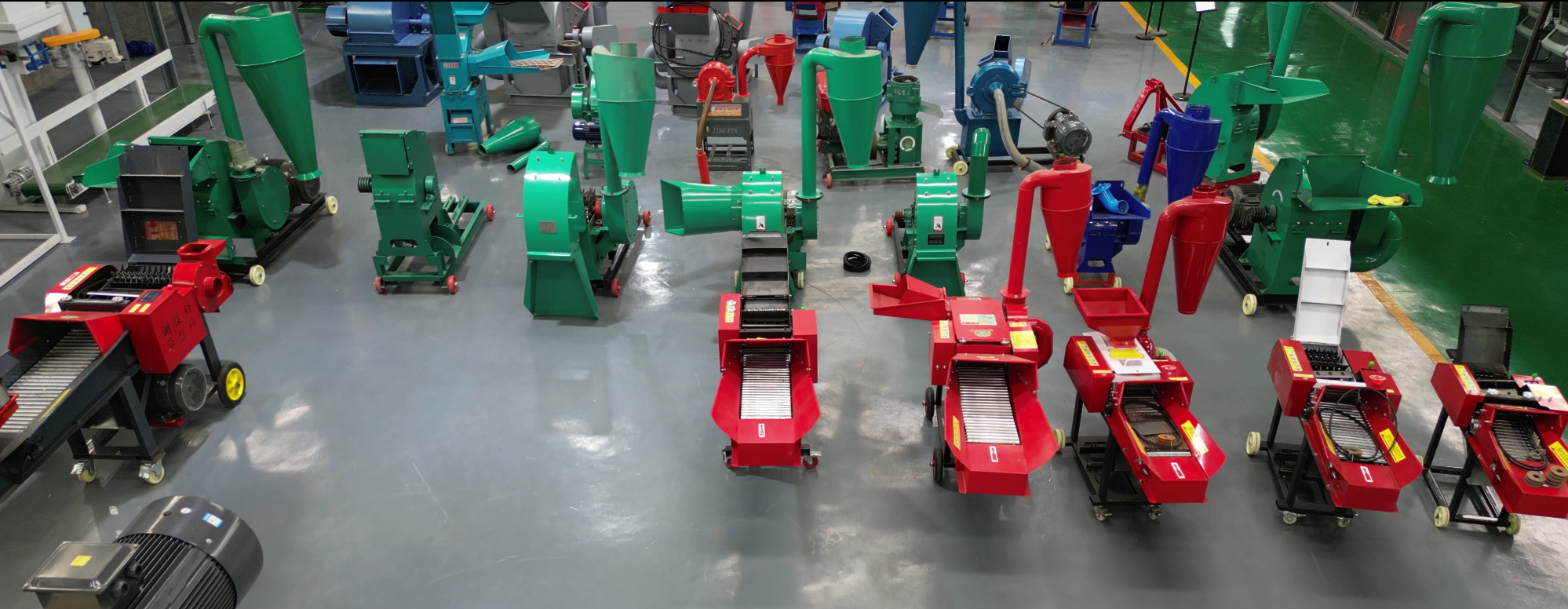
Base chaff cutter models are the starting point for OEM configuration discussions.
Requirement 1: Branding and Identity
Logo, Nameplate, and Color
Decide early whether you need your logo on the machine body, a custom nameplate, or a specific paint color. Each of these affects tooling, production sequencing, and minimum order quantities. Provide artwork in vector format and specify placement, size, and color codes.
Packaging and Labels
Confirm whether cartons, wooden cases, or crates are required, and whether labels must include your brand, barcode, model number, or destination-market language. Export packaging affects both cost and lead time, so lock it in the brief.
Trademark Authorization
If you supply a trademark, the manufacturer will normally require written authorization to apply it. Clarify who owns the design and who is responsible for trademark registration in the destination market.
Requirement 2: Requested Configuration and Specifications
Every OEM change starts from a verified base model. FCN.FM's current chaff cutter line includes the following confirmed specifications:
| Model | Type | Motor Power | Capacity | Notes |
|---|---|---|---|---|
| 2.8 | Vertical chaff cutter machine | 4KW | 600-800kg/h | High efficiency, easy operation, wet and dry material available |
| 2.8 | Horizontal chaff cutter | 4KW | 600-800kg/h | High efficiency, easy operation, wet and dry material available |
| 3.8 | Vertical chaff cutter | 5.5KW | 800-1500kg/h | High efficiency, easy operation, wet and dry material available |
Power System
Confirm motor voltage and frequency for the destination market (for example, 220V/50Hz or 380V/50Hz). If a diesel engine option is requested instead of an electric motor, state this explicitly, since it changes the machine structure and cost.
Capacity and Cutting Length
State the throughput you need and the cutting length range your customers expect. Capacity targets should be realistic for the selected base model; for example, the 3.8 vertical model is confirmed at 800-1500kg/h.
Materials and Wear Parts
Specify expectations for the frame, cutting chamber, and blades. Blade material and hardness directly affect service life. If you require specific blade steel or a particular blade profile, request written confirmation that it can be supplied.
Accessories and Add-ons
List any requested extras such as wheels, discharge chutes, feed trays, or a multifunctional crushing attachment. Each add-on should appear in the specification sheet, not just in an email thread.
Requirement 3: Documentation Package
Technical Documents
A complete OEM order normally includes a specification sheet, an exploded parts diagram, an operation and maintenance manual, and a wiring diagram where applicable. Confirm the language and format you need.
Compliance and Test Documents
Depending on the destination market, you may need a CE declaration, a test report, or a certificate of origin. Identify the required documents early, because some certificates add lead time.
Spare Parts and Service Information
Confirm which spare parts are supplied with the machine and which are available separately. A recommended spare parts list, especially for blades and bearings, helps your after-sales team.
Requirement 4: Target-Market Needs
Regulatory and Certification Requirements
Different regions apply different electrical, safety, and labeling rules. Provide the destination country and any mandatory certification so the manufacturer can confirm feasibility before quoting.
Operating Conditions
Describe the typical raw material (green grass, dry straw, hay, or silage), ambient conditions, and expected daily running hours. Wet and dry material capability is confirmed for the models listed above, but duty cycle expectations should still be stated.
End-User Profile
Clarify whether the machine is aimed at smallholder farms, commercial fodder processors, or industrial feed mills. This influences capacity selection, build robustness, and price positioning.
How to Confirm Each Change: Feasibility, Spec, Price, Lead Time
A professional OEM workflow treats every requested change as a mini-project. For each modification, request four written confirmations:
- Feasibility – Can the change be made on the selected verified model?
- Specification – What exactly will be delivered, with measurable values?
- Price – What is the unit price impact, including tooling or setup fees?
- Lead time – How many additional days does the change add to production?
Keep these confirmations in a single revision-controlled document. Verbal agreements and chat messages are easy to lose; a numbered spec sheet is not.
Pre-Production Checklist for Importers
Before approving production, confirm the following in writing:
- Selected base model and its verified specifications
- All requested configuration changes, itemized
- Branding artwork, placement, and packaging requirements
- Voltage, frequency, and power system
- Documentation package and language
- Target-market certifications and compliance documents
- Unit price, tooling fees, and payment terms
- Production lead time and shipping preparation
- Acceptance testing method and tolerance for capacity and power
- Spare parts list and after-sales contact
A short acceptance test protocol is especially useful. Agree in advance how capacity and motor power will be measured, what raw material will be used, and what tolerance is acceptable. This prevents disputes at inspection.
Conclusion
A successful OEM chaff cutter order is built on clear, written requirements rather than assumptions. By confirming branding, configuration, documentation, and target-market needs up front, and by requiring feasibility, specification, price, and lead-time confirmation for every change, importers and distributors reduce risk and speed up delivery.
FCN.FM supports OEM and ODM customization from its own manufacturing facility and can provide product recommendations, technical specifications, and operation guidance. If you are preparing an OEM chaff cutter requirement brief, contact Henan Macin Machinery Equipment Co., Ltd. with your target market and configuration list to receive a written feasibility and quotation response.
References
- Henan Macin Machinery Equipment Co., Ltd. – Chaff Cutter Machine product pages: https://www.chaffcuttermachine.com/
- FCN.FM company profile and OEM/ODM service description: https://www.chaffcuttermachine.com/
- ISO 9001 quality management systems overview (for factory QA reference): https://www.iso.org/standard/62085.html