Livestock operations rarely deal with just one type of fodder. In the same week, a farm may need to chop fresh green grass for daily feeding, process dry straw for winter reserves, and handle partially wilted silage material. Buying separate machines for each task is expensive and takes up valuable shed space. This is exactly why the wet and dry chaff cutter has become one of the most requested machines among FCN.FM's international customers — a single unit that handles both moisture-rich green fodder and brittle dry straw without modification.
But what does "wet and dry capability" actually mean in practice? Which raw materials suit each mode? And how do you switch between them without clogging the machine or producing uneven cuts? This guide answers those questions with practical, field-tested detail.
What "Wet and Dry Material" Capability Really Means
When a manufacturer describes a chaff cutter as wet and dry ready, it refers to the machine's ability to process raw materials across a wide moisture range — typically from dry straw at around 10–15% moisture up to fresh green fodder that can exceed 70% moisture — using the same cutting chamber, blade set, and motor.
In practice, this capability depends on three engineering features:
- Blade geometry and sharpness — Wet, fibrous material needs a razor-sharp edge to slice cleanly rather than tear. Tearing wet fodder produces long, stringy pieces that wrap around the shaft.
- Chamber and discharge design — Wet material is heavier and sticks. A well-designed wet/dry machine uses a wider discharge chute and smoother internal surfaces to prevent buildup.
- Motor torque reserve — Green fodder requires more torque per kilogram than dry straw. A motor sized only for dry material will stall on wet loads.
Not every chaff cutter on the market genuinely meets all three criteria. Many budget machines are dry-only designs with a "wet material" label added for marketing. FCN.FM's wet/dry-ready models are engineered from the ground up for both conditions.
Raw Materials Suited to Each Mode
Wet Mode: Green and High-Moisture Fodder
Wet mode is used when the material is fresh, succulent, or recently harvested. Suitable raw materials include:
- Fresh green grass and pasture cuttings
- Alfalfa and clover before drying
- Green maize (corn) stalks and leaves
- Sorghum and millet at the green stage
- Sugarcane tops and leaves
- Fresh banana and napier grass
- Wilted silage material (pre-ensiling chop)
Wet chopping is the first step in silage making. Cutting green material to a consistent length — typically 1–3 cm for maize silage — improves compaction and fermentation quality in the silo.
Dry Mode: Straw, Hay, and Cured Fodder
Dry mode handles material that has been field-cured or stored. Suitable raw materials include:
- Wheat straw, rice straw, and barley straw
- Dry hay and cured alfalfa
- Corn stover (dried stalks and leaves)
- Dry grass hay for winter feeding
- Peanut and soybean vine residue
- Bagasse and similar dry fibrous by-products
Dry straw is brittle and light. The machine's job here is to break it into short, digestible pieces that mix well with concentrate feed and reduce sorting by livestock.
FCN.FM Wet/Dry-Ready Chaff Cutter Models
FCN.FM manufactures several chaff cutter models that are wet and dry material capable. The table below summarizes the verified specifications:
| Model | Configuration | Motor Power | Capacity | Wet/Dry Capability |
|---|---|---|---|---|
| Vertical chaff cutter machine (Model 2.8) | Vertical feed | 4KW | 600-800kg/h | Wet and dry material available |
| Horizontal chaff cutter machine (Model 2.8) | Horizontal feed | 4KW | 600-800kg/h | Wet and dry material available |
| Vertical chaff cutter (Model 3.8) | Vertical feed | 5.5KW | 800-1500kg/h | Wet and dry material available |
All three models are described by the manufacturer as offering high efficiency and easy operation with wet and dry material available. The Model 3.8 vertical unit, with its 5.5KW motor and 800-1500kg/h capacity, is the most suitable choice for farms that process large daily volumes of green fodder or run a commercial silage operation. The two Model 2.8 units, at 4KW and 600-800kg/h, suit small to medium livestock farms with mixed wet and dry workloads.
Chaff cutter in operation — the same machine handles both green and dry fodder.
Switching Between Green Fodder and Dry Straw: Practical Tips
Even a genuine wet/dry machine performs best when the operator follows a few simple practices. These tips come from FCN.FM's technical support team and customer feedback across multiple export markets.
1. Process Dry Material First, Then Wet
When a work session involves both dry straw and green fodder, run the dry batch first. Dry material leaves less residue in the chamber. Switching to wet material afterward flushes out any remaining dry dust and fiber. Doing it the other way around — wet first, then dry — leaves damp fiber in the chamber that can bind with incoming dry straw and cause blockages.
2. Match Feed Rate to Material Moisture
Wet green fodder is dense and heavy. Feeding it at the same rate as dry straw overloads the motor and produces uneven cuts. A useful rule of thumb:
- Dry straw: steady, continuous feed — the machine can usually take a full hand-width bundle at a time.
- Green fodder: feed in smaller, more frequent amounts, letting the blades clear each charge before adding more.
Operators who slow their feed rate on wet material typically see cleaner cuts and fewer jams.
3. Check and Clean the Discharge Chute Between Modes
Wet material leaves a film of sap and moisture on the chute and blade housing. If this dries and hardens, it traps the next batch of dry straw. A 30-second scrape with a stiff brush between batches keeps the discharge path clear and maintains consistent cutting length.
4. Inspect Blade Sharpness More Often in Wet Season
Cutting wet, fibrous green fodder dulls blades faster than dry straw. A dull blade tears rather than slices, which increases motor load and produces long, stringy output — the opposite of what livestock need. FCN.FM supplies replacement chaff cutter blades for all its models, and routine sharpening every 20–30 operating hours during heavy green-fodder season is a reasonable maintenance interval. Exact blade life depends on material abrasiveness and operating hours.
5. Adjust Cutting Length for the Animal and Feed Type
Cutting length is not just a machine setting — it is a nutrition decision. Shorter chop improves intake and reduces sorting for cattle and buffalo; slightly longer chop suits sheep and goats. Silage material for maize should be chopped finer than hay for daily feeding. Confirm the target length with your nutritionist or feed advisor, then set the machine accordingly.
Matching Machine Capacity to Daily Fodder Workload
Choosing the right model means matching capacity to your actual daily workload, not just peak harvest days. A practical planning method:
- Estimate daily fodder requirement. A mature dairy cow consumes roughly 25–35 kg of chopped green fodder per day; dry straw intake is lower, around 8–12 kg. Multiply by herd size.
- Convert to hourly machine load. Divide total daily kg by the number of hours you plan to operate the machine each day.
- Add a 20–30% buffer for start-up, cleaning, and material variation.
- Compare to rated capacity. Choose a model whose rated capacity comfortably exceeds your buffered hourly load.
For example, a 50-head dairy farm feeding 30 kg of green fodder per cow needs about 1,500 kg per day. Over a 3-hour operating window with a 25% buffer, that is roughly 625 kg/h — comfortably within the 600-800kg/h capacity of the Model 2.8 units, and well within the 800-1500kg/h range of the Model 3.8.
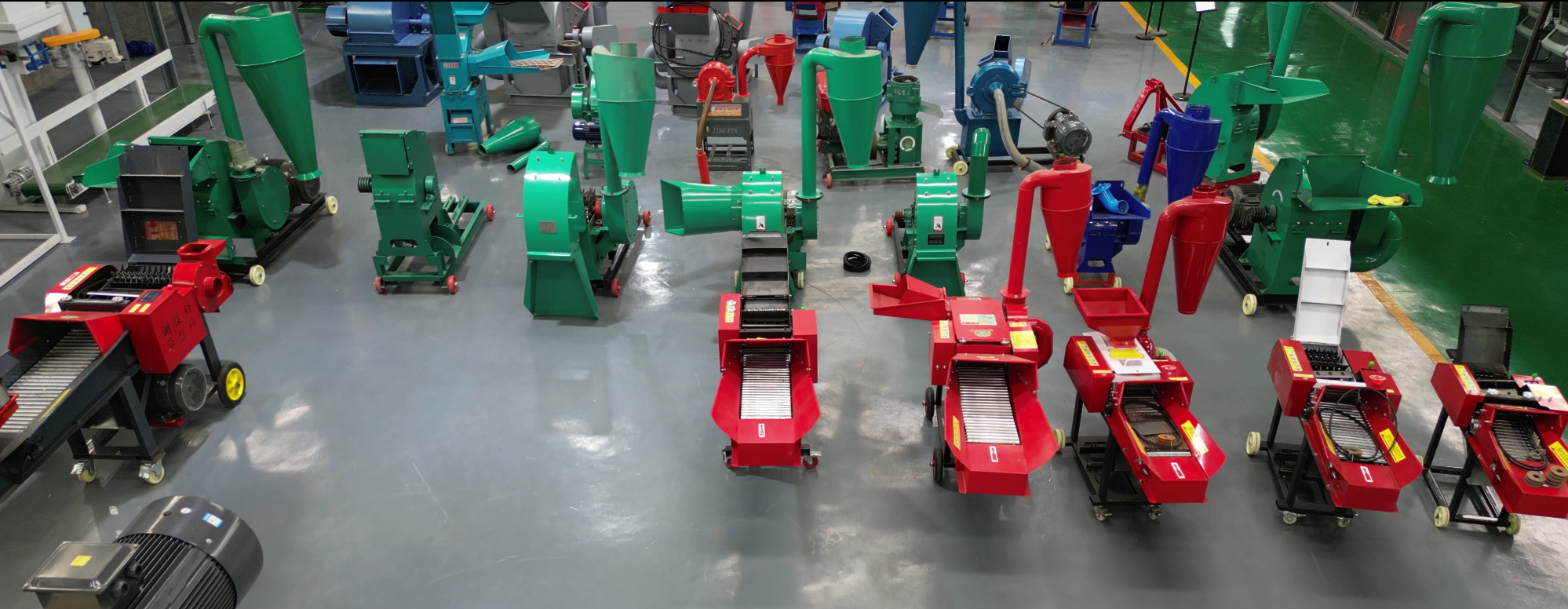
FCN.FM chaff cutter — engineered for reliable wet and dry fodder processing.
Why One Wet/Dry Machine Beats Two Single-Purpose Units
For most mixed livestock farms, a single wet and dry chaff cutter delivers clear advantages over owning separate wet and dry machines:
- Lower capital cost — one machine, one motor, one set of blades to buy and maintain.
- Less shed space — a single footprint instead of two.
- Simpler operator training — one machine to learn, one set of safety procedures.
- Flexible seasonal use — green fodder in the growing season, dry straw in winter, silage at harvest — all with the same unit.
- Easier spare parts management — one blade specification, one motor specification.
The main trade-off is that a shared machine cannot process wet and dry material simultaneously. For operations that need continuous parallel processing of both types, two dedicated machines may still be justified. For the majority of farms, however, a single wet/dry-ready unit is the more economical and practical choice.
Conclusion
A wet and dry chaff cutter is not a marketing label — it is a genuine engineering capability that lets one machine serve a farm's full seasonal fodder cycle, from fresh green grass in summer to dry straw in winter and silage at harvest. FCN.FM's Model 2.8 vertical and horizontal units (4KW, 600-800kg/h) and the Model 3.8 vertical unit (5.5KW, 800-1500kg/h) are all wet and dry material capable, giving buyers a clear range of capacities to match their herd size and workload.
If you are planning a fodder processing setup and want help matching a wet/dry chaff cutter model to your specific materials and daily volumes, the FCN.FM technical team can review your requirements and recommend the right configuration. Reach out through the company's contact page to discuss specifications, customization options, and export arrangements.
References
- FCN.FM Chaff Cutter Machine product pages — https://www.chaffcuttermachine.com/
- FAO — Silage making for small-scale farmers (cutting length and fermentation) — https://www.fao.org/3/i2093e/i2093e.pdf
- FAO — Animal feed resources and fodder processing — https://www.fao.org/livestock/en/
- Feedipedia — Forage and roughage feed resources — https://www.feedipedia.org/