Chaff cutter machines are indispensable on livestock farms and in feed processing operations, but their high-speed rotating blades and powerful motors make them one of the more hazardous pieces of equipment in daily agricultural use. Establishing strong chaff cutter safety practices is not optional — it is a fundamental responsibility for every farm owner, supervisor and operator. In this guide, we outline the essential safety practices around feeding, machine guards, personal clothing, operator training and safe shutdown procedures that every farm worker should follow before, during and after operating a chaff cutter.
Why Chaff Cutter Safety Matters
A chaff cutter processes tough fibrous materials — straw, hay, grass and silage — at high speed through sharp blades. The combination of rotating cutting mechanisms, powerful electric or diesel motors and continuous material feeding creates multiple hazard points. Common injuries associated with chaff cutters include lacerations, finger and hand injuries, entanglement of loose clothing, eye injuries from flying debris and hearing damage from prolonged noise exposure.
Most accidents are preventable. They typically result from inadequate training, bypassed safety guards, rushed feeding practices or poor machine maintenance. A structured safety routine protects workers, reduces downtime and extends the service life of the equipment.
Pre-Operation Safety Checks
Before starting any chaff cutter, operators should complete a short but systematic pre-operation inspection. This takes only a few minutes and prevents the majority of mechanical and safety failures.
Visual and Mechanical Inspection
- Blade condition: Check that blades are sharp, properly secured and free from cracks or excessive wear. Dull blades increase motor load and cause material to jam.
- Guards and covers: Confirm that all protective covers, feed hopper guards and belt guards are in place and securely fastened. Never operate a machine with a removed or damaged guard.
- Bolts and fasteners: Inspect mounting bolts, blade bolts and hopper attachments for looseness.
- Electrical connections (electric models): Check that the power cable is undamaged, the plug is secure and the grounding is intact. For diesel models, inspect fuel lines for leaks.
- Work area: Ensure the area around the machine is clear of debris, tools and bystanders. The floor should be dry and level.
Test Run
After inspection, run the machine empty for 30–60 seconds. Listen for unusual noises, vibrations or grinding sounds. If anything sounds abnormal, shut down immediately and investigate before loading material.
Safe Feeding Practices
Feeding is the most common point of operator contact with the machine and therefore the highest-risk activity. Correct feeding technique is central to chaff cutter safety.
Use Push Sticks or Feed Forks
Never use hands to push material directly into the feed hopper, especially as the material nears the cutting chamber. Always use a push stick, wooden plunger or feed fork to guide the last portion of material safely into the blades. Maintain a minimum safe distance between hands and the feed opening at all times.
Feed at a Steady, Controlled Rate
Overloading the machine causes jams, motor strain and material kickback. Feed material gradually and evenly, allowing the machine to process at its designed capacity. For example, a vertical chaff cutter with a 4KW motor is designed for a throughput of 600–800kg/h — feeding faster than this rate risks blockages and unsafe operating conditions.
Never Reach Into the Cutting Chamber
If material becomes jammed, never attempt to clear it while the machine is running or before confirming the blades have completely stopped. Follow the safe shutdown procedure described below before addressing any blockage.
Video: A chaff cutter in operation — note the controlled feeding rate and clearance around the machine.
Guards, Clothing and Personal Protective Equipment
Machine Guards
All factory-fitted guards — hopper guards, belt covers and blade housing — must remain in position during operation. These guards are engineered to prevent accidental contact with moving parts and flying debris. Removing them to "speed up feeding" or "clear jams faster" is one of the leading causes of serious injury.
Safe Clothing and Personal Protective Equipment (PPE)
Loose clothing is a major entanglement hazard around rotating machinery. Farm workers should observe the following dress code:
- No loose sleeves, scarves, jewellery or dangling items near the machine.
- Wear fitted, buttoned work clothing or coveralls.
- Long hair must be tied back and secured under a cap or hairnet.
- Safety glasses or goggles to protect against flying chaff and dust.
- Hearing protection (earplugs or earmuffs) during extended operation, as chaff cutters can generate noise levels that cause cumulative hearing damage.
- Sturdy, closed-toe footwear with good grip.
- Avoid gloves with loose cuffs near the feed opening; if gloves are worn, use snug-fitting ones.
Training New Operators
No worker should operate a chaff cutter without proper training. Even experienced farm workers need orientation when introduced to a new machine model or a different power configuration (electric vs. diesel).
Key Training Points for New Operators
| Training Topic | What the Operator Must Know |
|---|---|
| Machine overview | Location of blades, motor, guards, power switch and emergency stop |
| Correct material | What raw materials are suitable and which must be avoided |
| Feeding technique | Steady rate, use of push stick, safe hand position |
| Capacity limits | Rated throughput of the specific model to avoid overload |
| Shutdown procedure | How to stop the machine and confirm blades have stopped |
| Jam clearing | Step-by-step safe procedure for clearing blockages |
| PPE requirements | Required clothing and protective equipment |
| Emergency response | What to do in case of injury, fire or electrical fault |
Supervised Practice
New operators should complete several supervised sessions before working independently. The supervising worker should observe feeding technique, confirm PPE compliance and verify that the operator can perform a safe shutdown without prompting.
Safe Shutdown and Emergency Procedures
A disciplined shutdown routine is as important as safe startup. Improper shutdown can leave the machine in a dangerous state for the next user.
Standard Shutdown Procedure
- Stop feeding material and allow the machine to process the remaining material in the chamber.
- Switch off the power using the main switch or stop button. For diesel models, shut off the engine according to the manufacturer's instructions.
- Wait for complete stoppage. Confirm that the blades have come to a complete stop before approaching the machine. Rotating blades can coast for several seconds after power is cut.
- Disconnect power (unplug or isolate the electrical supply) before performing any cleaning, adjustment or blade maintenance.
- Clean the machine and remove accumulated debris from the cutting chamber and hopper.
Emergency Stop
Every operator must know the location and operation of the emergency stop control before starting work. In an emergency — entanglement, injury or mechanical failure — stop the machine immediately, disconnect power and seek help. Never attempt to free a trapped person or object while the machine is energised.
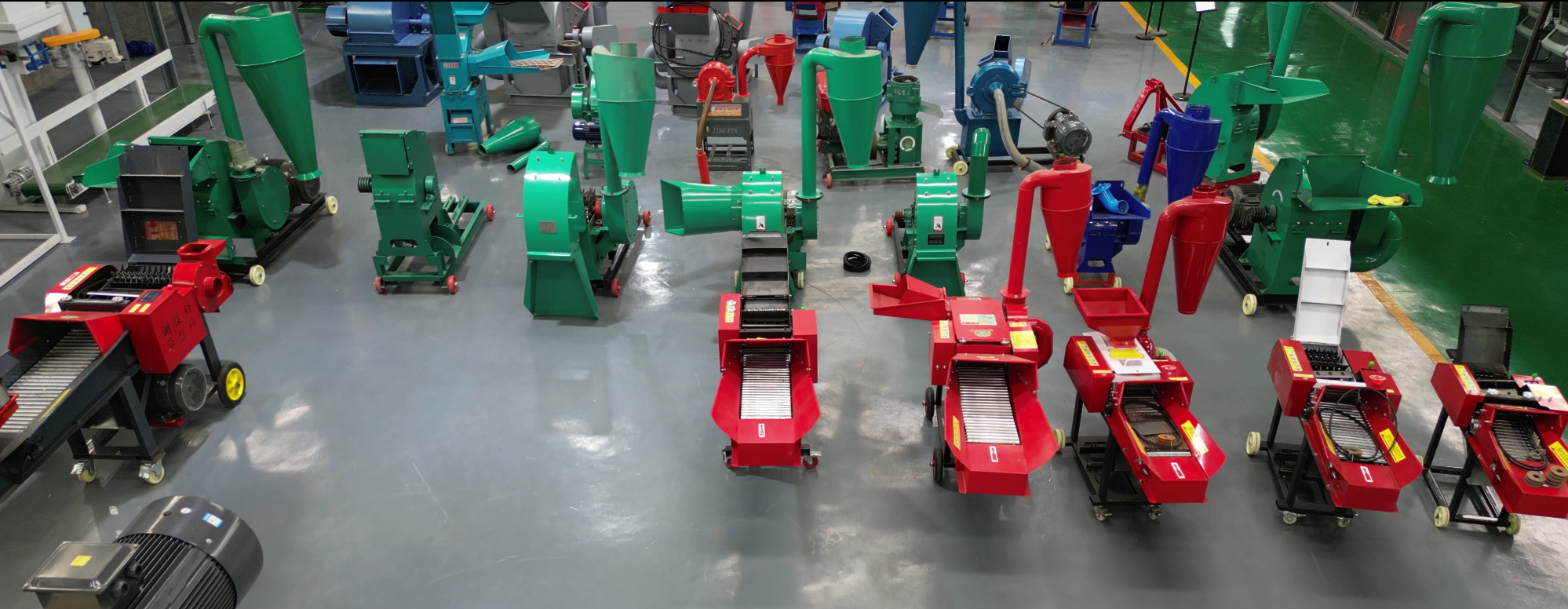
Image: A chaff cutter machine showing the feed hopper and protective housing — all guards must remain in place during operation.
Maintenance Safety
Routine maintenance keeps the machine safe and reliable, but maintenance work itself carries risk if not performed correctly.
Safe Maintenance Practices
- Always disconnect power before inspecting, cleaning or replacing blades.
- Sharpen or replace blades according to the manufacturer's recommended interval. Worn blades reduce cutting efficiency and increase the risk of material kickback.
- Use correct replacement parts that match the machine's specifications.
- Lubricate bearings and moving parts as specified in the operating manual.
- Store the machine in a dry, covered area when not in use to prevent corrosion and accidental startup.
For any maintenance task beyond routine cleaning and blade sharpening, consult the manufacturer's technical documentation or contact qualified service personnel.
Building a Safety Culture on the Farm
Chaff cutter safety is most effective when it becomes part of the daily routine rather than an occasional reminder. Farm owners and supervisors should:
- Display clear safety instructions near the machine.
- Conduct brief refresher talks for all operators, especially after any incident or near-miss.
- Keep PPE stocked and in good condition.
- Maintain a simple log of inspections, blade changes and repairs.
- Encourage workers to report hazards or unusual machine behaviour immediately.
A farm that invests in safety protects its people, avoids costly downtime and demonstrates professionalism to customers, inspectors and business partners.
Conclusion
Chaff cutter safety depends on a combination of correct pre-operation checks, disciplined feeding practices, proper PPE, thorough operator training and a reliable shutdown routine. None of these measures is complicated, but together they dramatically reduce the risk of injury and keep the machine operating efficiently for years.
At FCN.FM (Henan Macin Machinery Equipment Co., Ltd.), we manufacture chaff cutter machines with operator safety in mind, including protective guards, reliable motors and clear operating guidance. If you have questions about safe operation, machine selection or OEM/ODM customization for your farm or feed processing business, our team is ready to help. Contact us for technical support and product recommendations tailored to your requirements.
References
- Occupational Safety and Health Administration (OSHA) — Agricultural Machinery Safety: https://www.osha.gov/agricultural-operations
- Food and Agriculture Organization of the United Nations (FAO) — Farm Machinery Safety: https://www.fao.org/farm-machinery-safety
- Henan Macin Machinery Equipment Co., Ltd. — Chaff Cutter Machine Product Information: https://www.chaffcuttermachine.com/