Every livestock operation loses money to fodder waste, and much of that loss happens after the feed reaches the trough. When forage is chopped unevenly, animals sort through the ration, push aside coarse stems, and leave behind the fibrous material that carries most of the nutritional value. Studies on feed bunk management consistently show that sorting behavior increases when particle size varies widely, which means the fix starts at the chaff cutter. Reducing fodder waste with proper chopping is one of the most cost-effective improvements a farm can make, because it attacks the problem at the source — before a single kilogram of feed is offered to the animals.
This guide explains why chop uniformity matters, how to match chaff cutter capacity to your daily workload, and what practical steps in the feeding area keep waste to a minimum.
Why Uniform Chopping Reduces Fodder Waste
The Sorting Problem
Cattle, sheep, and goats are natural selectors. Given a mix of long stems and fine leaf material, they eat the palatable, easily swallowed fraction first and leave the rest. The leftover material is usually the highest-fiber, lowest-digestibility portion — exactly the part that was expensive to grow, harvest, and transport. When the entire ration is chopped to a consistent length, animals cannot easily separate components, so consumption becomes more complete and refusals drop.
Rumen Health and Feed Efficiency
Uniform particle size also supports rumen function. A ration that is too fine can depress rumination and butterfat in dairy animals, while a ration with excessive long particles encourages sorting. The goal is a chop length that balances effective fiber with ease of consumption. For most cattle rations, a theoretical chop length in the range of 10–30 mm is a common working target, though the ideal value depends on the forage type and the rest of the ration. Confirming the right target for your herd is best done with your nutritionist.
The Cost of Leftover Feed
Leftover feed is not just wasted nutrition — it represents wasted labor, fuel, storage space, and disposal effort. On a farm feeding several tonnes of forage per day, even a 5–10% reduction in refusals translates into a meaningful annual saving in fodder purchases or forage production costs.
Matching Chaff Cutter Capacity to Daily Workload
Choosing a machine that is too small forces rushed, inconsistent chopping; one that is far too large ties up capital. The right capacity depends on herd size, number of feeding sessions per day, and whether you chop wet silage, dry straw, or both.
Estimating Daily Fodder Demand
A practical planning method:
- Calculate total daily forage intake. Multiply the number of animals by average daily dry-matter intake, then convert to as-fed weight based on forage moisture.
- Divide by feeding sessions. If you feed twice daily, each session needs roughly half the daily volume chopped and ready.
- Add a buffer. Plan for at least 20–30% extra capacity to cover peak demand, wet heavy material, and blade wear over time.
Capacity Reference Table
| Machine Type | Motor Power | Capacity | Wet / Dry Use |
|---|---|---|---|
| Vertical chaff cutter (model 2.8) | 4KW | 600–800 kg/h | Wet and dry material available |
| Horizontal chaff cutter (model 2.8) | 4KW | 600–800 kg/h | Wet and dry material available |
| Vertical chaff cutter (model 3.8) | 5.5KW | 800–1500 kg/h | Wet and dry material available |
For example, a farm that needs about 1,000 kg of chopped forage per feeding session and chops twice a day requires roughly 2,000 kg per day. A single machine rated at 800–1500 kg/h can cover that workload in under two hours of actual running time, leaving comfortable margin for loading and cleanup.
Wet and Dry Material Considerations
Wet silage and green fodder are heavier and more fibrous than dry straw, so they demand more from the motor and blades. Machines designed for both wet and dry material — such as the models listed above — avoid the need to own separate units. When chopping very wet material, slightly slower, steady feeding produces a more uniform chop than forcing material through quickly.
Practical Feeding-Area Tips to Cut Waste
Even perfectly chopped feed can be wasted if the feeding area is poorly managed. These low-cost adjustments make a measurable difference:
- Use troughs of adequate length. Overcrowded bunks force dominant animals to sort and push others aside, increasing refusals. Aim for enough bunk space so most animals can eat simultaneously.
- Feed smaller, more frequent amounts. Two or three smaller feedings keep feed fresher and reduce the amount left to spoil in the trough.
- Keep chop length consistent across the whole batch. Mixing a coarse batch with a fine batch re-creates the sorting problem. Chop full batches at one setting.
- Clean troughs regularly. Spoiled or moldy leftover feed discourages intake and can pose a health risk. Remove refusals before offering fresh feed.
- Shelter the feeding area. Rain and wind accelerate spoilage of exposed chopped forage, especially in wet climates.
- Store chopped feed off the ground. Use a clean, dry pad or covered area to prevent contamination between chopping and feeding.
How a Quality Chaff Cutter Lowers Overall Fodder Costs
Consistent Output, Batch After Batch
A well-built chaff cutter holds its cutting length setting and delivers uniform output across a full day of work. Machines with stable blade geometry and solid construction maintain chop quality even as blades wear, which means fewer re-chops and less variation in the ration.
Reducing Rework and Handling Losses
When the first pass produces an acceptable, uniform chop, farms avoid the extra energy, labor, and handling losses associated with re-chopping coarse material. Every additional handling step also increases shatter loss, especially with dry hay.
Lower Energy and Maintenance Costs
Efficient machines convert more of their motor power into cutting rather than friction and vibration. Over hundreds of operating hours, this shows up as lower electricity consumption and longer blade life. Selecting a machine with adequate motor power for your material — for instance, the 5.5KW vertical model for heavier workloads versus the 4KW models for lighter duty — prevents the motor from straining, which shortens its service life.
Durability and Total Cost of Ownership
Total cost of ownership includes purchase price, energy, blades, bearings, and downtime. A machine built with industry-grade materials and straightforward, easy operation typically delivers a lower cost per tonne chopped over its working life than a cheaper unit that needs frequent repair.
Choosing the Right Chaff Cutter for Your Operation
When comparing machines, evaluate these criteria against your actual workload:
- Capacity at your material moisture. Ask for rated capacity on both wet and dry material, not just dry.
- Motor power and local power supply. Confirm the motor rating (e.g., 4KW or 5.5KW) matches your available supply and voltage.
- Chop length adjustability. Look for a machine that lets you change cutting length to suit different forages and animal types.
- Wet and dry capability. A single machine that handles both avoids duplicate investment.
- Blade quality and availability. Confirm that replacement blades are readily available and easy to fit.
- Build quality and safety features. Check frame construction, guarding, and emergency stop arrangements.
- After-sales and spare parts support. Long-term support matters more than a small difference in purchase price.
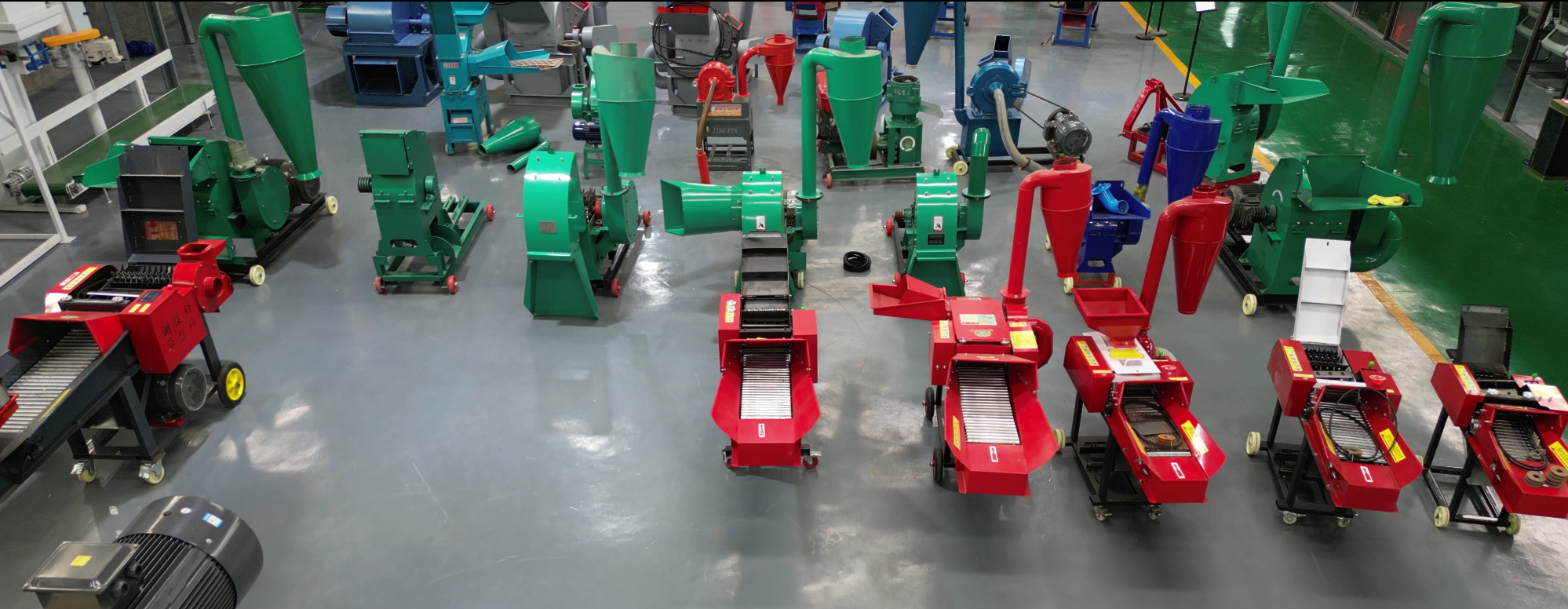
Uniform chopping from a quality chaff cutter helps reduce sorting and leftover feed in the trough.
Watch a chaff cutter in operation producing a consistent chop from forage material.
Conclusion
Fodder waste is rarely caused by a single large mistake — it accumulates through uneven chopping, overcrowded bunks, infrequent feeding, and machines that cannot hold a consistent setting. Addressing all three areas together — uniform chop length, correct machine capacity, and disciplined feeding-area management — delivers the largest reduction in waste and the biggest saving on annual fodder costs.
If you are planning a new fodder processing setup or upgrading existing equipment, the team at Henan Macin Machinery Equipment Co., Ltd. (FCN.FM) can help you match a chaff cutter model to your herd size, material type, and daily workload. Reach out with your requirements for a practical capacity recommendation and quotation.
References
- Kansas State University Extension — Feed bunk management and sorting behavior in cattle: https://www.asi.k-state.edu/
- Penn State Extension — Particle size and ration uniformity in dairy rations: https://extension.psu.edu/
- FAO — Forage conservation and silage making guidance: https://www.fao.org/
- FCN.FM — Chaff cutter machine product information: https://www.chaffcuttermachine.com/