Choosing the right power source is one of the most important decisions when buying a chaff cutter machine. The debate around diesel vs electric chaff cutter models comes down to three practical factors: where the machine will operate, what power is available on-site, and how the total cost of ownership fits your budget. A wrong choice here can leave a farm with a machine that cannot run during load-shedding, or a diesel unit that sits idle because fuel logistics are too expensive. This guide breaks down both power options in detail so you can match the machine to your actual working conditions.
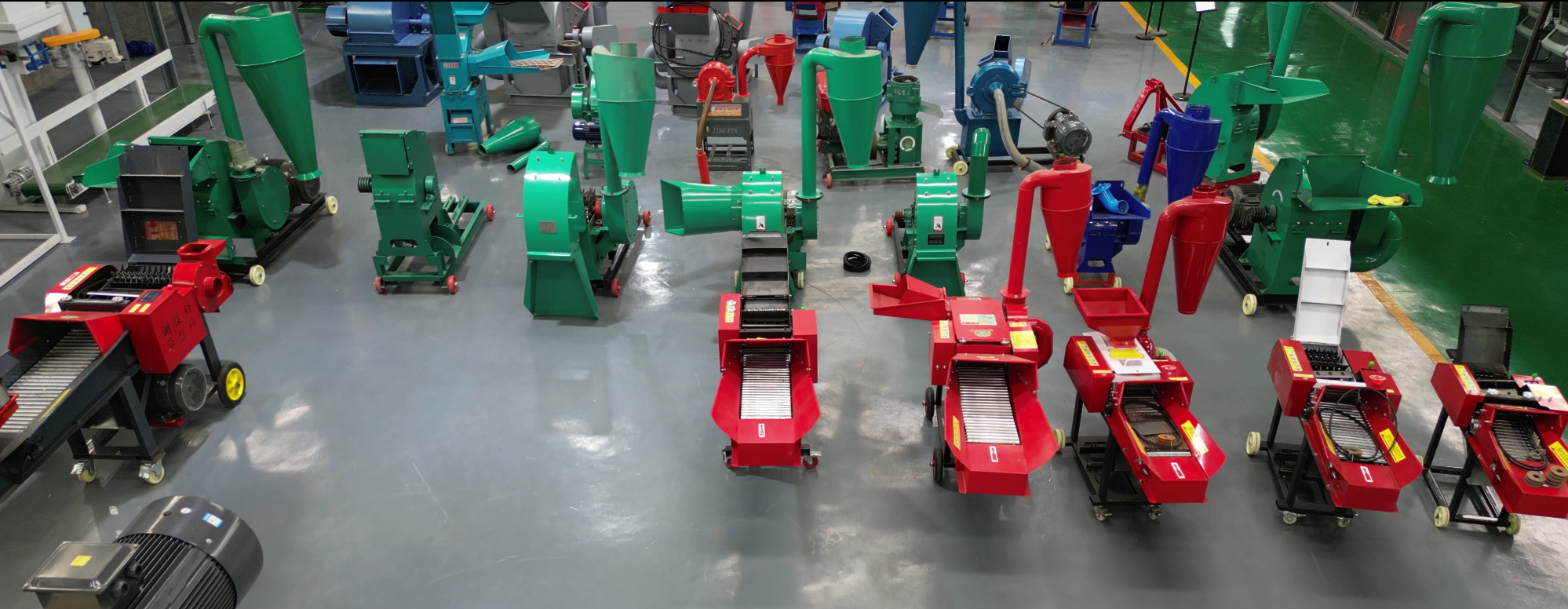
Electric-driven chaff cutter configured for farm and feed-processing use.
How the Two Power Options Work
Both electric and diesel chaff cutters perform the same cutting action — rotating blades chop grass, straw, hay or green fodder against a fixed blade or screen. The difference lies entirely in how the cutting drum is driven.
Electric Chaff Cutter
An electric chaff cutter uses an electric motor coupled directly to the cutting mechanism. Power is drawn from the grid through a cable and switch box. Motor sizes on FCN.FM chaff cutters range from 4KW on the compact vertical and horizontal models up to 5.5KW on the larger vertical unit. Because the motor delivers consistent torque at a fixed speed, cutting length and throughput remain stable throughout the working session.
Diesel Engine Chaff Cutter
A diesel engine chaff cutter replaces the electric motor with a small single-cylinder diesel engine, usually connected through a belt or clutch. The machine is self-powered and does not depend on grid electricity. Fuel consumption depends on load, engine displacement and operating hours, and the engine requires routine maintenance such as oil changes, air filter cleaning and fuel filter replacement.
Cost Comparison: Purchase, Fuel and Maintenance
Upfront price is only part of the picture. Over a machine's working life, energy and maintenance costs often exceed the initial purchase difference.
| Cost Factor | Electric Chaff Cutter | Diesel Engine Chaff Cutter |
|---|---|---|
| Purchase price | Generally lower | Higher (engine adds cost) |
| Energy source | Grid electricity | Diesel fuel |
| Running cost | Low where power is cheap/stable | Higher; fuel price fluctuates |
| Routine maintenance | Minimal (motor is sealed) | Oil, filters, injectors, belts |
| Downtime risk | Grid outages stop work | Refuelling logistics |
| Spare parts | Motor, capacitor, switch | Engine kit, fuel system parts |
In regions with reliable and inexpensive electricity, the electric option is almost always cheaper to run. In remote areas where diesel is already stocked for tractors and generators, the diesel unit avoids the cost of extending a power line or running a dedicated generator.
Mobility and Operating Environment
Where Electric Wins
Electric chaff cutters are best suited to fixed or semi-fixed installations — a feed room, a barn corner, a fodder-processing shed, or any site with a stable power supply. They are quieter, produce no exhaust fumes, and can safely operate indoors without ventilation concerns. For livestock farms processing feed daily in the same location, an electric machine is the simplest and cleanest choice.
Where Diesel Wins
A diesel engine chaff cutter is the right option when:
- The farm has no grid connection or suffers frequent power cuts.
- The machine needs to move between paddocks, fields or remote grazing areas.
- Silage is cut at the field edge, far from any power source.
- A contractor serves multiple farms in one day and cannot rely on each site's power.
Because the diesel unit is self-contained, it can be mounted on a trailer or cart and towed behind a tractor or vehicle. This portability is the main reason contractors and large ruminant farms in off-grid regions prefer diesel.
Matching Power to FCN.FM Machine Models
FCN.FM supplies chaff cutters in both vertical and horizontal configurations, and the power source can be matched to the customer's site conditions. The current electric models are:
- Vertical chaff cutter machine (model 2.8) — 4KW motor, capacity 600-800kg/h, handles wet and dry material, high efficiency and easy operation.
- Horizontal chaff cutter machine (model 2.8) — 4KW motor, capacity 600-800kg/h, suitable for wet and dry material.
- Vertical chaff cutter (model 3.8) — 5.5KW motor, capacity 800-1500kg/h, high efficiency, easy operation, wet and dry material available.
For customers who need a diesel-driven version, FCN.FM supports OEM and ODM configuration, allowing the same cutting body to be paired with a diesel engine instead of an electric motor. Exact engine brand, displacement and fuel consumption for a diesel build should be confirmed with the manufacturer, as these are specified per order based on the customer's market and fuel availability.
Chaff cutter in operation — the cutting action is identical regardless of power source.
How to Decide: A Practical Checklist
Use the following questions to narrow down the correct power option before requesting a quote:
- Is grid power available at the working site? If yes and it is stable, electric is usually the better economic choice.
- How frequent are power outages? In areas with daily load-shedding, diesel avoids costly work stoppages during peak feeding hours.
- Will the machine stay in one place? Fixed installations favour electric; mobile use favours diesel.
- What is the daily processing volume? Higher volumes (closer to the 800-1500kg/h range of the 3.8 model) justify the higher upfront cost of either a larger electric motor or a diesel engine.
- Is diesel already part of your farm logistics? If you already store diesel for other equipment, a diesel chaff cutter adds no new fuel supply chain.
- Are there indoor air-quality limits? Enclosed feed rooms favour electric because diesel exhaust requires ventilation.
Answering these six questions honestly will point clearly to one option for most farms.
Final Thoughts
There is no universal winner in the diesel vs electric chaff cutter comparison — the right answer depends entirely on your power availability, mobility needs and running-cost priorities. Electric models are cheaper to run and cleaner to operate where the grid is reliable, while diesel units deliver independence and portability for off-grid and field-based work. FCN.FM manufactures both configurations and offers OEM/ODM customization so the machine you order matches your real site conditions, not a generic specification. If you are unsure which power option suits your farm, contact the FCN.FM team with your location, daily processing volume and available utilities — we will recommend the most cost-effective configuration and provide a detailed quotation.